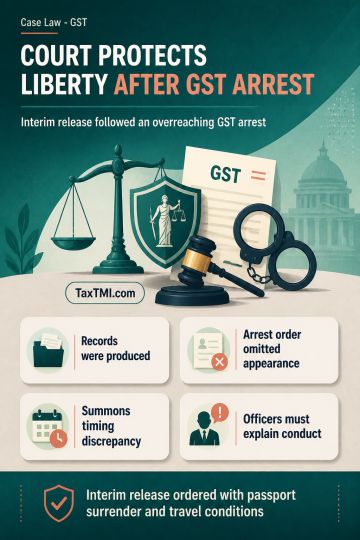
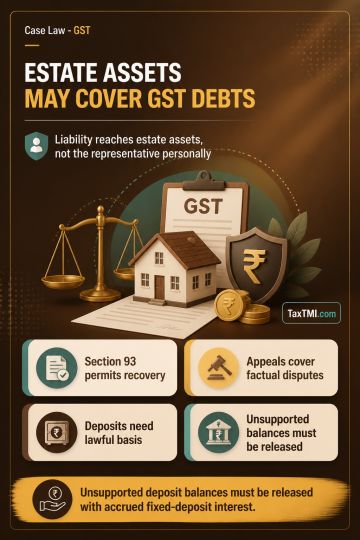
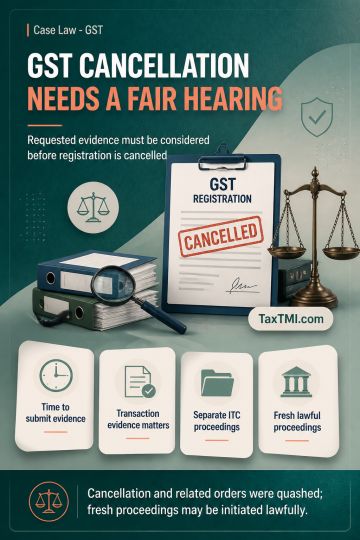
Personal liberty safeguards restrict arrest after court-directed GST appearance, requiring interim release where authorities overreach pending proceed...
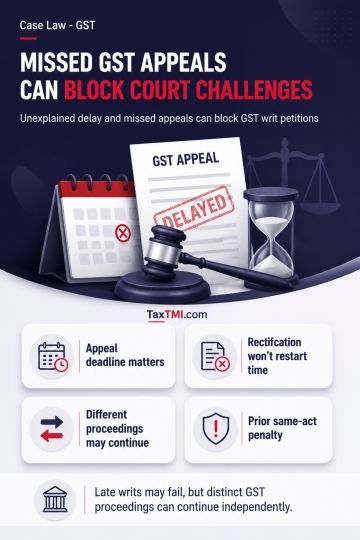
Alternative statutory remedy and delay bar GST writ challenges despite pending rectification, while distinct subject matter permits parallel proceedin...
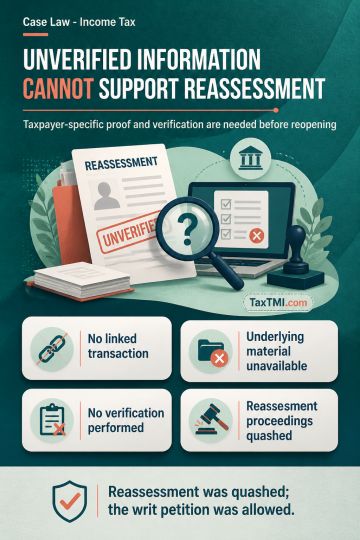
Unverified Insight Portal Information Cannot Justify Reassessment Without a Verified Taxpayer-Specific Income-Escape Nexus or Demonstrated Application...
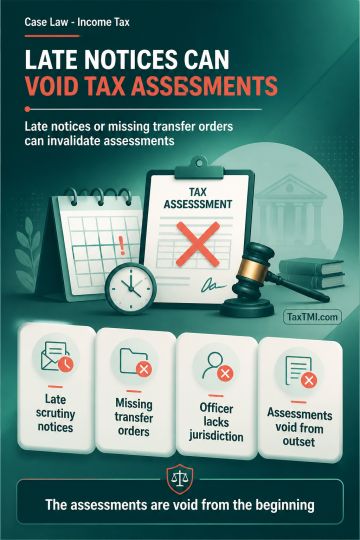
Assessing Officer jurisdiction after statutory transfer invalidates reassessment notices issued by transferor officers and nullifies resulting proceed...
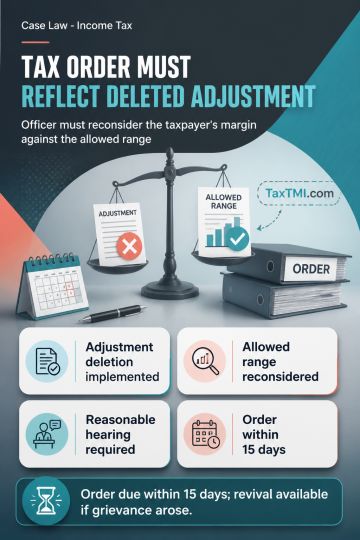
Consequential appeal-effect orders must implement rectification deleting working-capital adjustments and reconsider the resulting arm's-length range c...
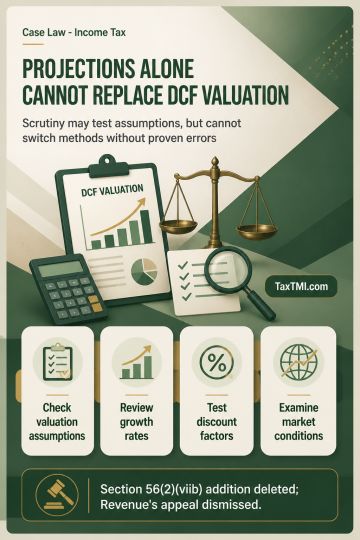
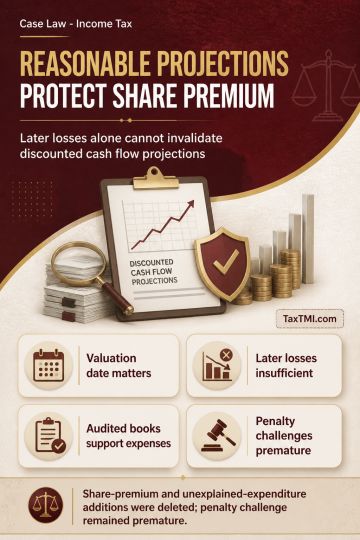
Discounted cash flow valuation protects share premium where projections are reasonable, while audited book expenses defeat unexplained-expenditure add...
The Customs, Excise and Service Tax Appellate Tribunal (CESTAT) allowed the appeal and set aside the impugned order. The key findings were: 1) The allegation of clandestine removal and evasion of Central Excise duty by diversion of duty-paid inputs was not sustainable. The shortage detected during the physical verification was not reliable as the finished goods available in various sections/sheds were not considered, and the CCTV footage provided by the appellant was disregarded without proper inquiry. 2) Denial of CENVAT credit was not justified. The appellant had established the receipt of inputs in their factory with documentary evidence. The statements relied upon by the Revenue were inadmissible as evidence since the request for cross-examination was rejected without valid grounds. As long as duty payment on outputs is accepted, the benefit of input credit cannot be denied when the appellant has satisfied the requirements.
The Customs, Excise and Service Tax Appellate Tribunal (CESTAT) allowed the appeal and set aside the impugned order. The key findings were: 1) The allegation of clandestine removal and evasion of Central Excise duty by diversion of duty-paid inputs was not sustainable. The shortage detected during the physical verification was not reliable as the finished goods available in various sections/sheds were not considered, and the CCTV footage provided by the appellant was disregarded without proper inquiry. 2) Denial of CENVAT credit was not justified. The appellant had established the receipt of inputs in their factory with documentary evidence. The statements relied upon by the Revenue were inadmissible as evidence since the request for cross-examination was rejected without valid grounds. As long as duty payment on outputs is accepted, the benefit of input credit cannot be denied when the appellant has satisfied the requirements.
Note: It is a system-generated summary and is for quick reference only.
 TaxTMI
  TaxTMI