Third-party loose sheets require reliable nexus before supporting unexplained expenditure additions; presumptions do not establish payer identity or o...
TNMM comparability using audited accounts and working-capital adjustments can eliminate unwarranted transfer-pricing additions where verified margins ...
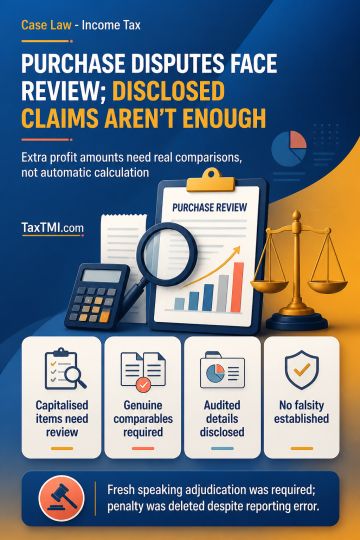
Gross-profit additions on disputed purchases require reasoned appellate determination; disclosed claims alone do not support inaccurate-particulars pe...
Limitation after transfer-pricing remand: fresh TPO reference did not extend the assessment deadline, rendering the consequential assessment time-barr...
Interim judicial restraint on tax deduction prevents default, while supporting reasonable cause and penalty deletion for foreign-leg LFC reimbursement...
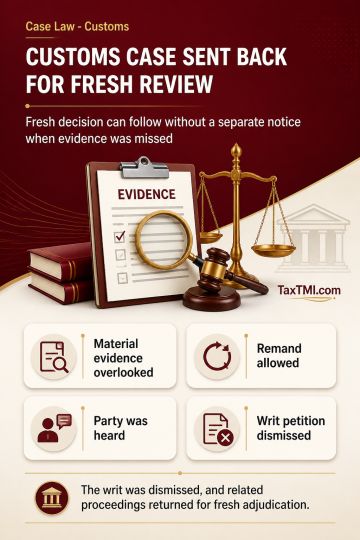
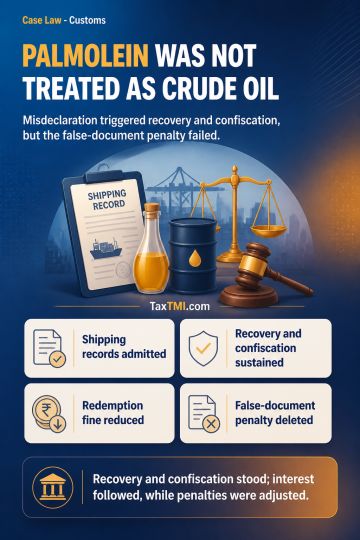
Palmolein classification defeated the crude-oil concession; material misdeclaration sustained recovery and confiscation, while separate false-document...
In the case at hand, the workmen's claims for wages and other dues were rejected by the liquidator due to lack of evidence substantiating their employment on the date of commencement of liquidation proceedings. The corporate debtor had ceased operations in June 2010, and the appellants themselves admitted to working only until April 2012. Despite the alleged violation of the Industrial Disputes Act, 1947, regarding the factory closure, the NCLT and NCLAT held that the appropriate remedy was to approach the Industrial Court or Labour Court, rather than raising the issue during the liquidation process. The tribunals relied on a precedent case involving Era Labourer Union, where similar claims were rejected for lack of verification from the date of closure. The NCLAT affirmed the Adjudicating Authority's decision, stating that the liquidator did not err in rejecting the claims due to insufficient evidence of employment until the commencement of liquidation.
In the case at hand, the workmen's claims for wages and other dues were rejected by the liquidator due to lack of evidence substantiating their employment on the date of commencement of liquidation proceedings. The corporate debtor had ceased operations in June 2010, and the appellants themselves admitted to working only until April 2012. Despite the alleged violation of the Industrial Disputes Act, 1947, regarding the factory closure, the NCLT and NCLAT held that the appropriate remedy was to approach the Industrial Court or Labour Court, rather than raising the issue during the liquidation process. The tribunals relied on a precedent case involving Era Labourer Union, where similar claims were rejected for lack of verification from the date of closure. The NCLAT affirmed the Adjudicating Authority's decision, stating that the liquidator did not err in rejecting the claims due to insufficient evidence of employment until the commencement of liquidation.
Note: It is a system-generated summary and is for quick reference only.
 TaxTMI
  TaxTMI
 of 4891