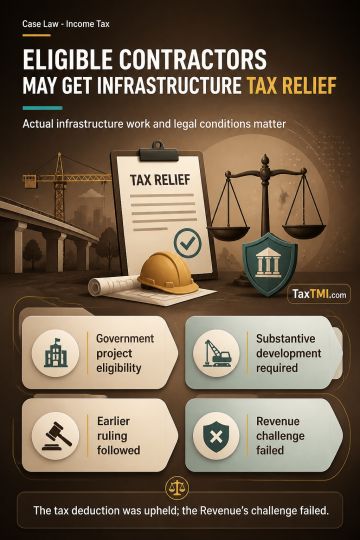
Infrastructure-development deduction remains available to EPC contractors when substantive statutory conditions outweigh contractor labels in agreemen...
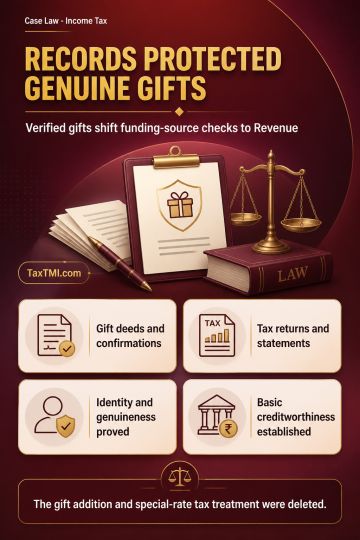
Explained Investment Sources: documented gifts and traceable salary savings supported deletion of additions for property and mutual-fund SIP investmen...
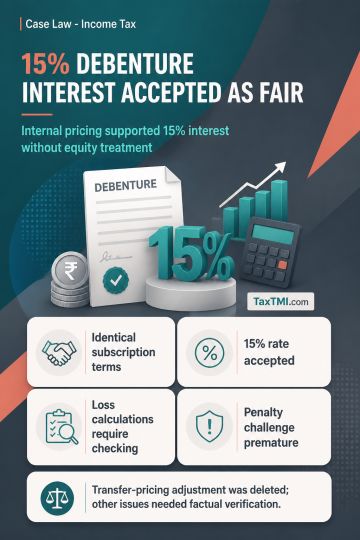
Internal comparable pricing supports arm's-length interest on compulsorily convertible debentures, preventing their recharacterisation as equity for t...
Nominee director protection shields independent financial-institution appointees from criminal liability where they lack involvement in deposit defaul...
The appellant imported ELISA Test Kits for food testing but classified them under 3822 00 90 as diagnostic kits to claim exemption under customs notifications. The Tribunal held that ELISA kits for food testing cannot be treated as diagnostic kits eligible for exemption. Explanatory notes clarify that diagnostic reagents covered under 3822 are for evaluating processes in humans/animals, not for food testing. The exemption notification must be construed strictly, and its intent is to cover medical products. Appellant failed to prove the imported kits fell within the exemption parameters. The term "food testing" cannot be implied or added to "diagnostic kits" in the notification. Therefore, the imported ELISA kits for food testing did not qualify for exemption as diagnostic reagents/kits.
The appellant imported ELISA Test Kits for food testing but classified them under 3822 00 90 as diagnostic kits to claim exemption under customs notifications. The Tribunal held that ELISA kits for food testing cannot be treated as diagnostic kits eligible for exemption. Explanatory notes clarify that diagnostic reagents covered under 3822 are for evaluating processes in humans/animals, not for food testing. The exemption notification must be construed strictly, and its intent is to cover medical products. Appellant failed to prove the imported kits fell within the exemption parameters. The term "food testing" cannot be implied or added to "diagnostic kits" in the notification. Therefore, the imported ELISA kits for food testing did not qualify for exemption as diagnostic reagents/kits.
Note: It is a system-generated summary and is for quick reference only.
 TaxTMI
  TaxTMI
 of 4881