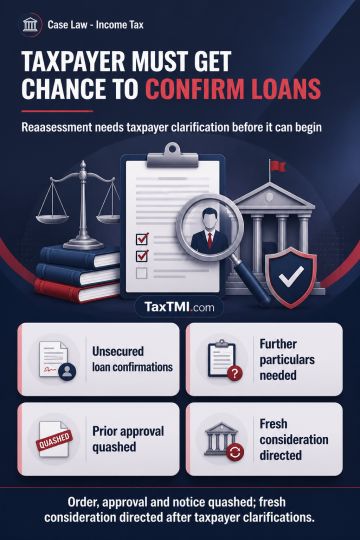
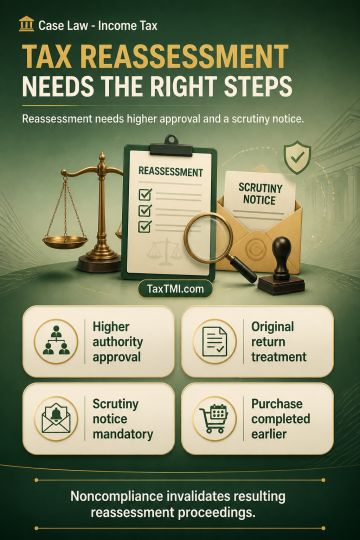
Opportunity to furnish unsecured-loan confirmations is required before reassessment initiation; proceedings require fresh consideration after taxpayer...
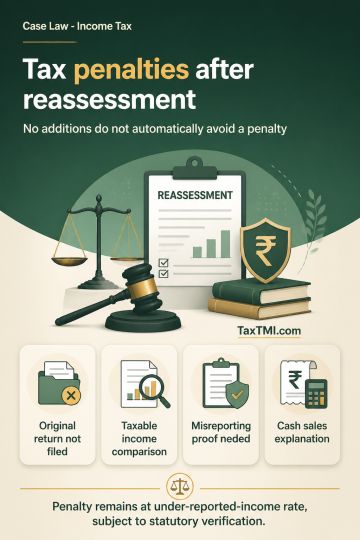
Under-reporting on a first reassessment return attracts penalty, while enhanced misreporting penalty requires proof of a statutory misreporting catego...
Assessment order u/s 143(3) passed against an individual beneficiary, determining the primary assessee liable for taxation. The key points are: the assessment order was passed against the individual beneficiary, not the trust. Although the trust is the primary assessee u/s 160(1)(iv), the department can directly assess the beneficiary u/s 166. Since the assessment was framed against the beneficiary, the beneficiary should have filed an appeal before the CIT(Appeals), not the trust. The trust's appeal is dismissed, and the beneficiary is allowed to file a delayed appeal before the CIT(Appeals), who is directed to adopt a liberal approach regarding the delay. The issue pertains to the determination of the primary assessee liable for taxation and the unexplained cash deposits u/s 69A, where no source was provided.
Assessment order u/s 143(3) passed against an individual beneficiary, determining the primary assessee liable for taxation. The key points are: the assessment order was passed against the individual beneficiary, not the trust. Although the trust is the primary assessee u/s 160(1)(iv), the department can directly assess the beneficiary u/s 166. Since the assessment was framed against the beneficiary, the beneficiary should have filed an appeal before the CIT(Appeals), not the trust. The trust's appeal is dismissed, and the beneficiary is allowed to file a delayed appeal before the CIT(Appeals), who is directed to adopt a liberal approach regarding the delay. The issue pertains to the determination of the primary assessee liable for taxation and the unexplained cash deposits u/s 69A, where no source was provided.
Note: It is a system-generated summary and is for quick reference only.
 TaxTMI
 TaxTMI

 of 4915