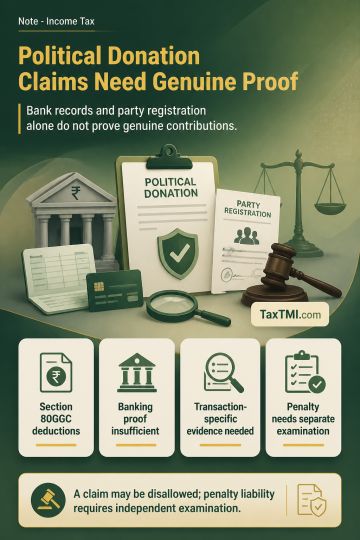
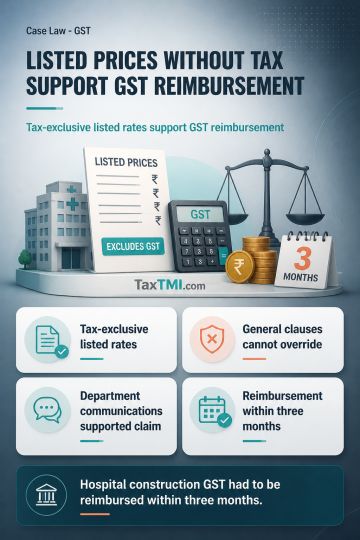
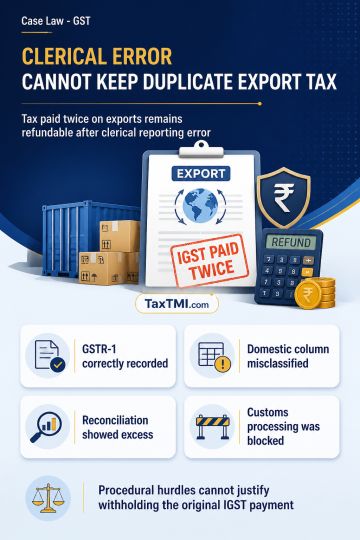
Political contribution deductions require genuine transactions; banking records and party registration alone cannot defeat evidence of accommodation e...
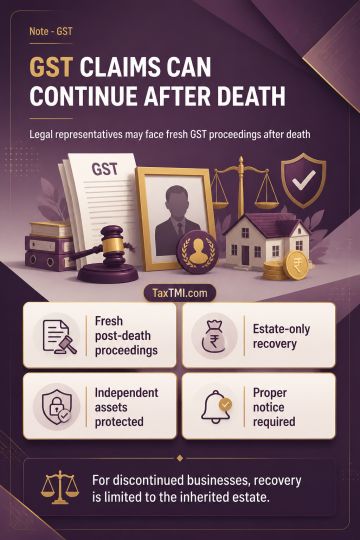
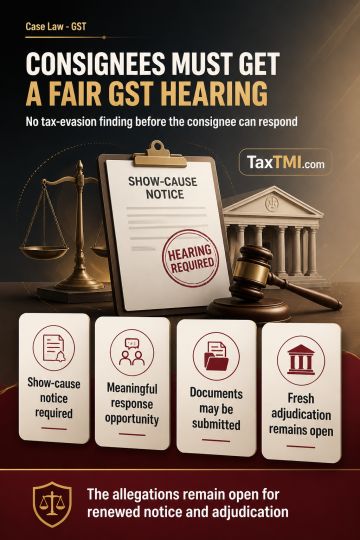
Post-death GST liability permits fresh proceedings against legal representatives, while discontinued-business recovery remains limited to the inherite...
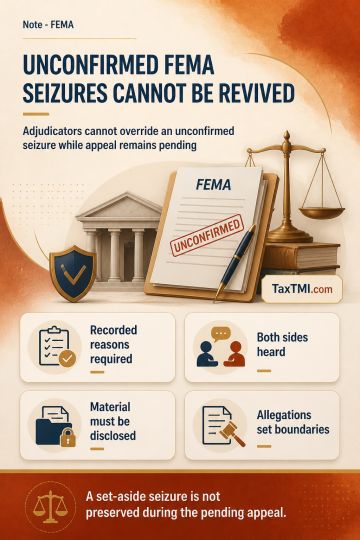
Non-confirmation of FEMA seizure prevents adjudicators from overriding pending appellate findings on recorded reasons and suspected foreign asset hold...
The High Court examined the validity of a show cause notice issued u/s 28 of the Customs Act, invoking the extended period of limitation. The court held that the proper officer has the power to determine the amount payable as customs duty, including interest liability, u/s 28. This power is not subject to or conditional upon the assessment being reopened or set aside. Consequently, the respondent has jurisdiction to invoke Section 28, irrespective of not verifying the self-assessment u/s 17 or not appealing against such self-assessment. Regarding the invocation of the enlarged period of limitation under sub-section (4) of Section 28, the court found that the allegations of wilful misstatement and suppression of facts were made in the show cause notice. Without closely considering disputed facts and documents, the veracity of these allegations cannot be determined at this preliminary stage. Therefore, the court cannot conclude that the respondent invoked sub-section (4) without jurisdiction, especially since the notice appears to be issued within the specified five-year period. The petitioner was granted time to respond to the show cause notice, and the respondent was permitted to proceed with the matter in accordance with the law upon receiving the reply.
The High Court examined the validity of a show cause notice issued u/s 28 of the Customs Act, invoking the extended period of limitation. The court held that the proper officer has the power to determine the amount payable as customs duty, including interest liability, u/s 28. This power is not subject to or conditional upon the assessment being reopened or set aside. Consequently, the respondent has jurisdiction to invoke Section 28, irrespective of not verifying the self-assessment u/s 17 or not appealing against such self-assessment. Regarding the invocation of the enlarged period of limitation under sub-section (4) of Section 28, the court found that the allegations of wilful misstatement and suppression of facts were made in the show cause notice. Without closely considering disputed facts and documents, the veracity of these allegations cannot be determined at this preliminary stage. Therefore, the court cannot conclude that the respondent invoked sub-section (4) without jurisdiction, especially since the notice appears to be issued within the specified five-year period. The petitioner was granted time to respond to the show cause notice, and the respondent was permitted to proceed with the matter in accordance with the law upon receiving the reply.
Note: It is a system-generated summary and is for quick reference only.
 TaxTMI
  TaxTMI