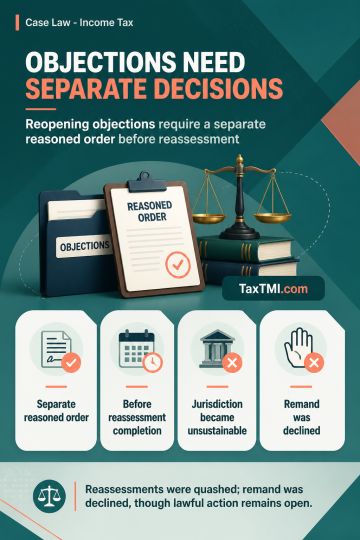
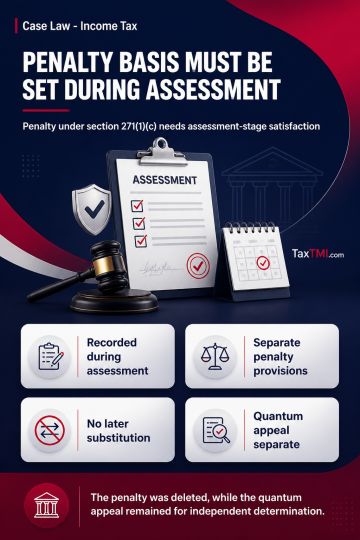
Separate speaking orders on reopening objections are mandatory; deciding them within reassessment invalidates jurisdiction and precludes revival of st...
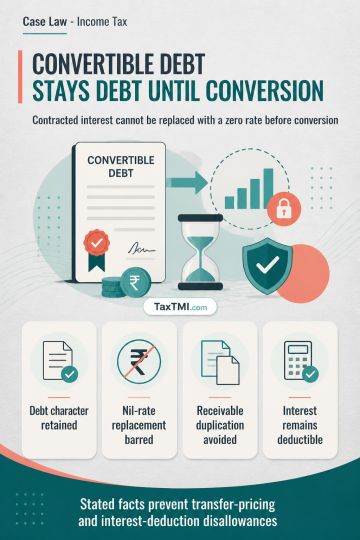
Compulsorily convertible debentures remain debt before conversion, preventing transfer-pricing and interest-deduction disallowances on the stated fact...
The Appellate Tribunal held that the assessee is eligible to claim deduction u/s 54EC of the Income Tax Act for investment in bonds of the National Highway Authority of India (NHAI). The assessee had invested the advance money received towards the sale of a property in the specified NHAI bonds before the date of transfer. This is in line with Circular No. 359 and the Bombay High Court's decision in CIT vs. Subhash Vinayak Supnekar, which ruled that when an advance received under an agreement to sell a capital asset is invested in specified bonds, the benefit of Section 54EC is available. The Tribunal observed a direct nexus between the advance received and the investment made, thereby allowing the assessee's appeal.
The Appellate Tribunal held that the assessee is eligible to claim deduction u/s 54EC of the Income Tax Act for investment in bonds of the National Highway Authority of India (NHAI). The assessee had invested the advance money received towards the sale of a property in the specified NHAI bonds before the date of transfer. This is in line with Circular No. 359 and the Bombay High Court's decision in CIT vs. Subhash Vinayak Supnekar, which ruled that when an advance received under an agreement to sell a capital asset is invested in specified bonds, the benefit of Section 54EC is available. The Tribunal observed a direct nexus between the advance received and the investment made, thereby allowing the assessee's appeal.
Note: It is a system-generated summary and is for quick reference only.
 TaxTMI
  TaxTMI
 of 4888