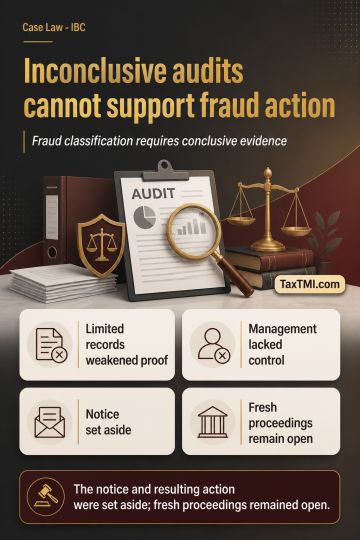
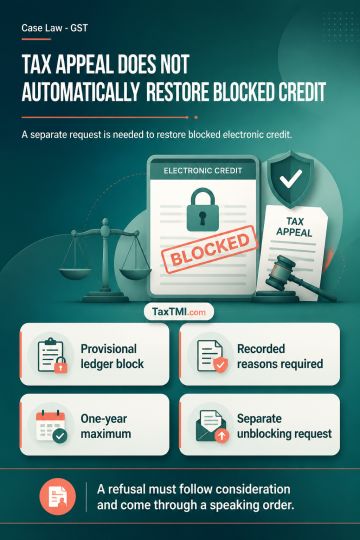
Fraud classification show-cause notices founded on inconclusive forensic audit material cannot sustain action, permitting fresh proceedings on conclus...
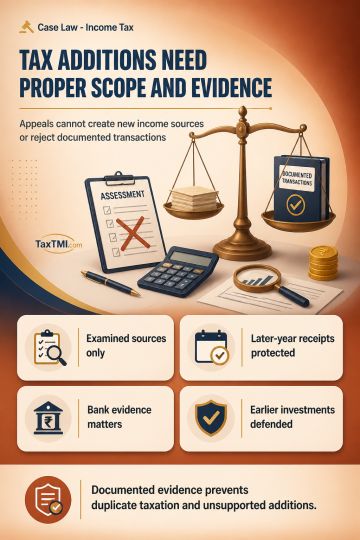
Appellate enhancement limits protect against new income sources, while documented credits and prior-year investments resist unexplained-income additio...
Rejection of a compounding application filed beyond the prescribed time limit as per the CBDT circular. The High Court held that the CBDT cannot issue a circular contrary to the object of the provisions, and fixing a time limit for filing a compounding application is not permissible u/s 279(2) of the Income Tax Act. The Court ruled that once an offence is compoundable by law, its compoundability cannot be restricted by imposing a time limit. The impugned order was set aside, and the matter was remanded to the respondent to consider the compounding application on record, as the petitioner was not a habitual offender.
Rejection of a compounding application filed beyond the prescribed time limit as per the CBDT circular. The High Court held that the CBDT cannot issue a circular contrary to the object of the provisions, and fixing a time limit for filing a compounding application is not permissible u/s 279(2) of the Income Tax Act. The Court ruled that once an offence is compoundable by law, its compoundability cannot be restricted by imposing a time limit. The impugned order was set aside, and the matter was remanded to the respondent to consider the compounding application on record, as the petitioner was not a habitual offender.
Note: It is a system-generated summary and is for quick reference only.
 TaxTMI
  TaxTMI
 of 4884