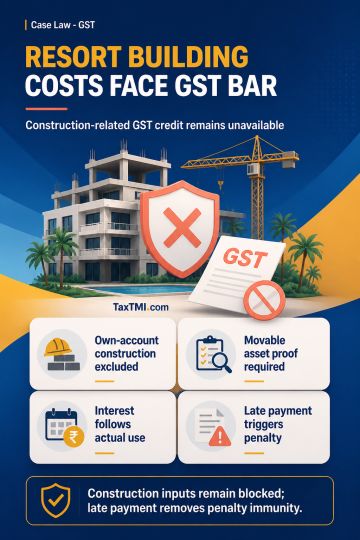
Blocked input tax credit for resort construction remains unavailable; interest follows actual utilisation, while delayed payment attracts statutory pe...
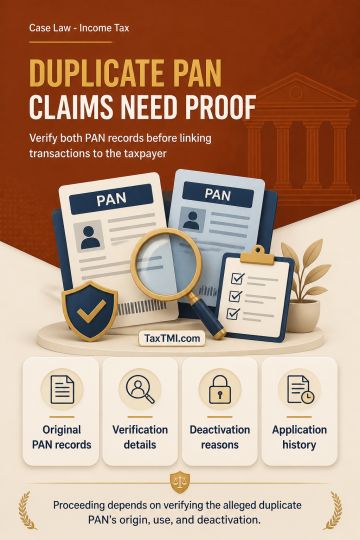
Duplicate PAN allocation requires record verification and deactivation reasons before assessment-related transactions can be attributed to an assessee...
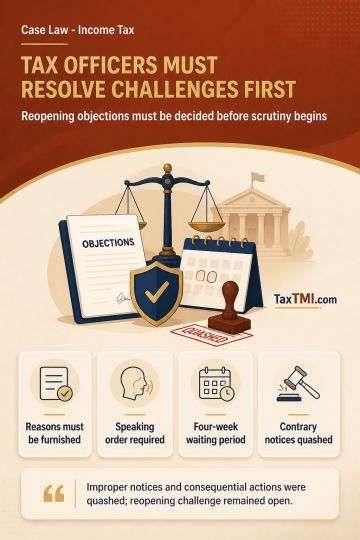
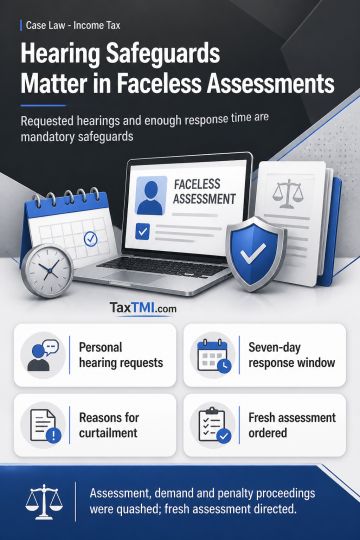
Faceless assessment safeguards require requested personal hearings and adequate final show-cause response time, failing which reassessment is required...
This is a summary of a legal case related to the dishonor of a cheque. The court held that the accused failed to rebut the presumption of consideration for the cheque by providing satisfactory evidence. The accused did not dispute taking the loan, issuing the cheque, or their signature on the cheque. The burden shifted to the accused to rebut the presumption that the cheque was issued in discharge of a legal liability, which they failed to do. The accused also failed to pay the amount within 15 days of receiving the court summons, precluding them from claiming non-receipt of notice. The court upheld the trial court's sentence, including a fine of twice the cheque amount along with 9% simple interest per annum as compensation, as it was not excessive given the legal expenses and loss of interest incurred by the complainant over the three-year period.
This is a summary of a legal case related to the dishonor of a cheque. The court held that the accused failed to rebut the presumption of consideration for the cheque by providing satisfactory evidence. The accused did not dispute taking the loan, issuing the cheque, or their signature on the cheque. The burden shifted to the accused to rebut the presumption that the cheque was issued in discharge of a legal liability, which they failed to do. The accused also failed to pay the amount within 15 days of receiving the court summons, precluding them from claiming non-receipt of notice. The court upheld the trial court's sentence, including a fine of twice the cheque amount along with 9% simple interest per annum as compensation, as it was not excessive given the legal expenses and loss of interest incurred by the complainant over the three-year period.
Note: It is a system-generated summary and is for quick reference only.
 TaxTMI
  TaxTMI