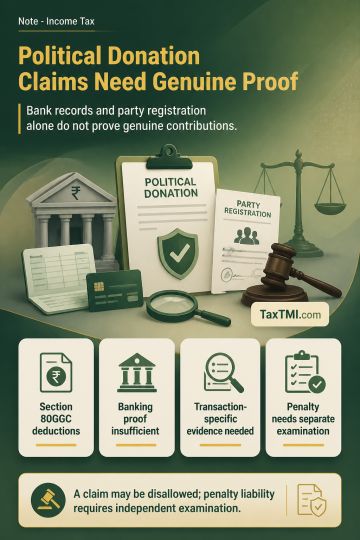
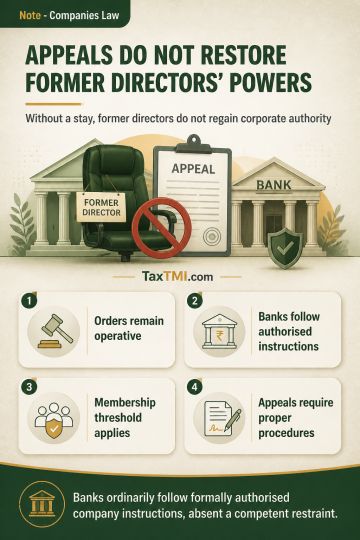
Political contribution deductions require genuine transactions; banking records and party registration alone cannot defeat evidence of accommodation e...
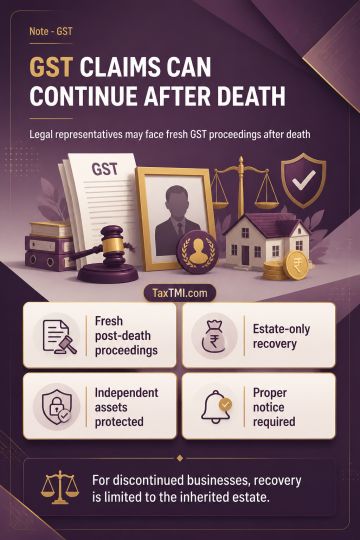
Post-death GST liability permits fresh proceedings against legal representatives, while discontinued-business recovery remains limited to the inherite...
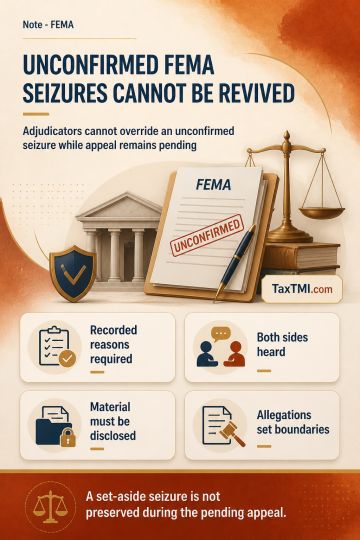
Non-confirmation of FEMA seizure prevents adjudicators from overriding pending appellate findings on recorded reasons and suspected foreign asset hold...
The assessee's residential status was incorrectly treated as non-resident by the revenue authorities when issuing a notice u/s 148, despite being a resident for the relevant assessment year. Consequently, the assessee did not qualify as an eligible assessee u/s 144C(15)(ii) of the Income Tax Act. The law applicable for the assessment year should have been considered, as per the Supreme Court's decision in Shree Choudhary Transport Company vs. Income Tax Officer. The jurisdictional error in determining the residential status rendered the assessment order passed u/s 147 read with Section 144C(13) invalid. The assessee's appeal was allowed by the Appellate Tribunal.
The assessee's residential status was incorrectly treated as non-resident by the revenue authorities when issuing a notice u/s 148, despite being a resident for the relevant assessment year. Consequently, the assessee did not qualify as an eligible assessee u/s 144C(15)(ii) of the Income Tax Act. The law applicable for the assessment year should have been considered, as per the Supreme Court's decision in Shree Choudhary Transport Company vs. Income Tax Officer. The jurisdictional error in determining the residential status rendered the assessment order passed u/s 147 read with Section 144C(13) invalid. The assessee's appeal was allowed by the Appellate Tribunal.
Note: It is a system-generated summary and is for quick reference only.
 TaxTMI
  TaxTMI