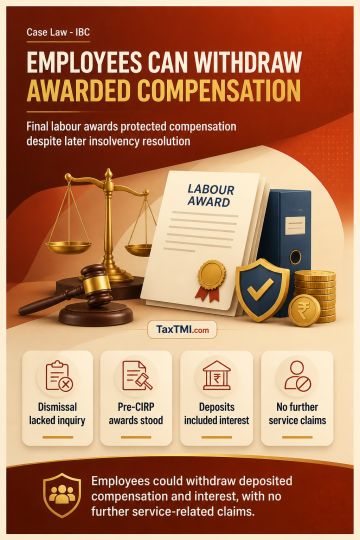
Natural justice and pre-CIRP labour awards protect termination compensation, permitting withdrawal of court deposits despite later insolvency resoluti...
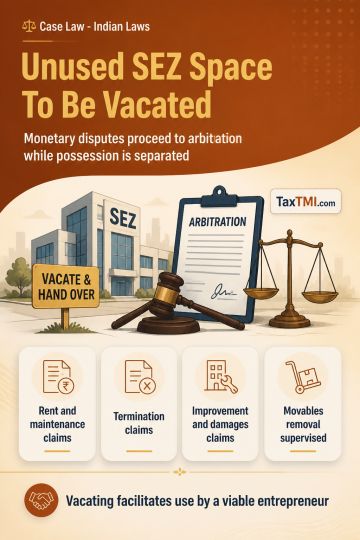
Arbitration of SEZ sub-lease monetary claims preserves rent, maintenance, termination, improvements and damages disputes while unused premises are vac...
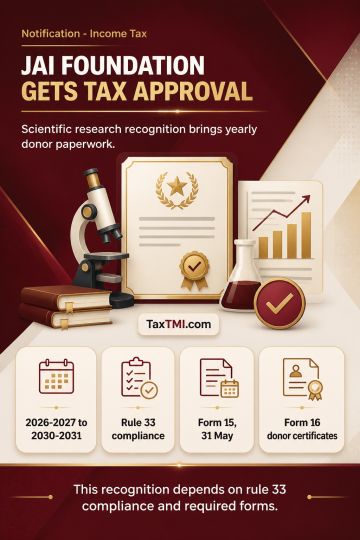
Scientific research approval grants a research association tax recognition, subject to annual donor reporting, certification, and regulatory complianc...
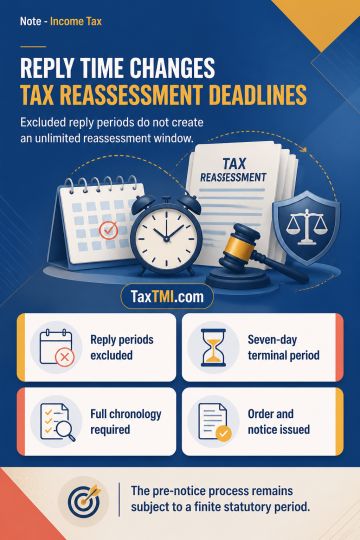
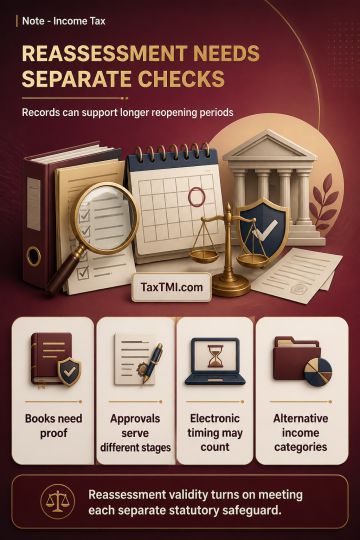
The crux of the matter revolves around the validity of reassessment proceedings initiated by the Assessing Officer (AO). The critical issue is whether there existed any new 'tangible material' or fresh 'information' in the possession of the AO to justify reopening the assessment u/s 147 of the Act. The Tribunal, after examining the Supreme Court's judgment in Kelvinator of India Ltd. and the assessee's own case, concluded that there was no new 'tangible material' or fresh 'information' available with the AO. Consequently, the Tribunal held that if the AO assumes jurisdiction u/s 147 without such material or information, it would render the reassessment proceedings a nullity, liable to be set aside. Additionally, the Tribunal noted that the Revenue had an opportunity to invoke issues u/s 263 before reopening but failed to do so. Based on these considerations, the Tribunal decided in favor of the assessee and set aside the reopening proceedings.
The crux of the matter revolves around the validity of reassessment proceedings initiated by the Assessing Officer (AO). The critical issue is whether there existed any new 'tangible material' or fresh 'information' in the possession of the AO to justify reopening the assessment u/s 147 of the Act. The Tribunal, after examining the Supreme Court's judgment in Kelvinator of India Ltd. and the assessee's own case, concluded that there was no new 'tangible material' or fresh 'information' available with the AO. Consequently, the Tribunal held that if the AO assumes jurisdiction u/s 147 without such material or information, it would render the reassessment proceedings a nullity, liable to be set aside. Additionally, the Tribunal noted that the Revenue had an opportunity to invoke issues u/s 263 before reopening but failed to do so. Based on these considerations, the Tribunal decided in favor of the assessee and set aside the reopening proceedings.
Note: It is a system-generated summary and is for quick reference only.
 TaxTMI
  TaxTMI
 of 4888