Infrastructure-development deduction remains available to EPC contractors when substantive statutory conditions outweigh contractor labels in agreemen...
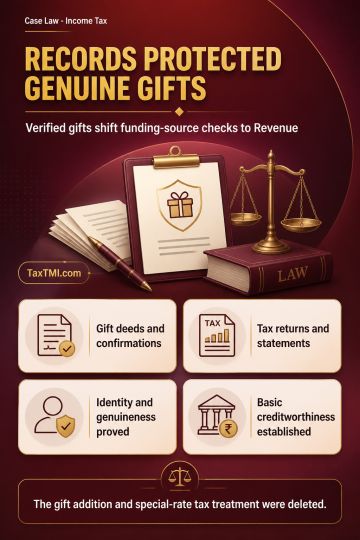
Explained Investment Sources: documented gifts and traceable salary savings supported deletion of additions for property and mutual-fund SIP investmen...
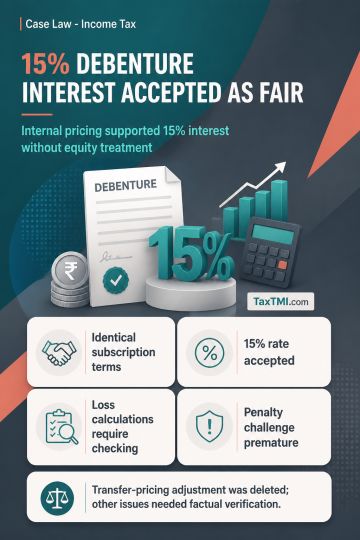
Internal comparable pricing supports arm's-length interest on compulsorily convertible debentures, preventing their recharacterisation as equity for t...
Nominee director protection shields independent financial-institution appointees from criminal liability where they lack involvement in deposit defaul...
This case pertains to a prayer for rectification in the Register of Members concerning the transfer of shares, invoking Section 154 of the NCLT Rules. The key points are: The appeal against the relief granted by NCLT in the Principal Company Petitions was sustainable only when the Company (Appellant No.1) was contesting the matter as a legal entity. However, upon withdrawal by the Company, Appellant No. 2 (an individual) had no cause of action flowing from Appellant No.1. Consequently, the appeals were dismissed without prejudice to Appellant No. 2's rights u/s 59 of the Companies Act. The relief sought for re-entering names and share configuration in the Register of Members could not be pressed by Appellant No. 2 in the absence of an effective contest by Appellant No. 1 (the Company). Appellant No. 2 is free to resort to appropriate proceedings u/s 59(2) of the Companies Act, 2013, which will be decided per the law.
This case pertains to a prayer for rectification in the Register of Members concerning the transfer of shares, invoking Section 154 of the NCLT Rules. The key points are: The appeal against the relief granted by NCLT in the Principal Company Petitions was sustainable only when the Company (Appellant No.1) was contesting the matter as a legal entity. However, upon withdrawal by the Company, Appellant No. 2 (an individual) had no cause of action flowing from Appellant No.1. Consequently, the appeals were dismissed without prejudice to Appellant No. 2's rights u/s 59 of the Companies Act. The relief sought for re-entering names and share configuration in the Register of Members could not be pressed by Appellant No. 2 in the absence of an effective contest by Appellant No. 1 (the Company). Appellant No. 2 is free to resort to appropriate proceedings u/s 59(2) of the Companies Act, 2013, which will be decided per the law.
Note: It is a system-generated summary and is for quick reference only.
 TaxTMI
  TaxTMI
 of 4881