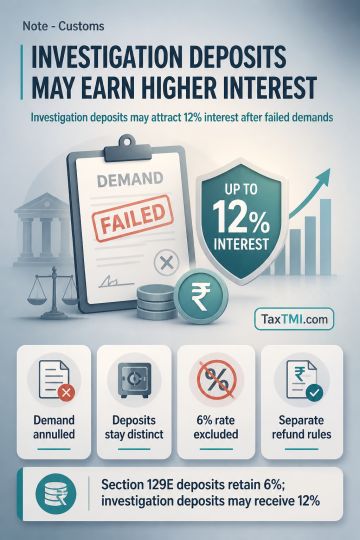
Investigation deposits refunded after failed customs demands fall outside the statutory appellate pre-deposit interest regime and may attract compensa...
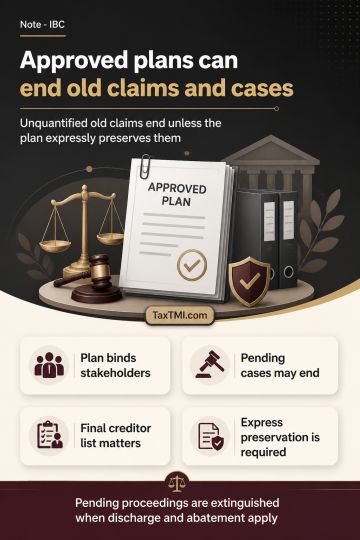
Resolution plan finality extinguishes unquantified operational-creditor claims and pending proceedings unless the approved plan expressly preserves th...
Stakeholder-list modification permits liquidators to update entries on new information, subject to notifying the Adjudicating Authority within prescri...
Legal and professional charges incurred by the assessee company were disallowed by the Assessing Officer (AO) on the grounds that they were capital expenditure and personal expenses not wholly and exclusively for business purposes. The Tribunal held that no payment was made as penalty, and the expenses were incurred for defending the company in the ordinary course of business to protect its image and ensure smooth conduct of operations. The payments were made through banking channels after TDS deduction, with identifiable payees, and supported by documentary evidence. They did not fall under the ambit of Explanation 1 to Section 37 as penal, capital or personal in nature. The Tribunal opined that the payments were mere fees paid to advocates for defending the company's case, akin to fees for income tax disputes, and hence allowable as deduction. The AO was directed to allow the deduction.
Legal and professional charges incurred by the assessee company were disallowed by the Assessing Officer (AO) on the grounds that they were capital expenditure and personal expenses not wholly and exclusively for business purposes. The Tribunal held that no payment was made as penalty, and the expenses were incurred for defending the company in the ordinary course of business to protect its image and ensure smooth conduct of operations. The payments were made through banking channels after TDS deduction, with identifiable payees, and supported by documentary evidence. They did not fall under the ambit of Explanation 1 to Section 37 as penal, capital or personal in nature. The Tribunal opined that the payments were mere fees paid to advocates for defending the company's case, akin to fees for income tax disputes, and hence allowable as deduction. The AO was directed to allow the deduction.
Note: It is a system-generated summary and is for quick reference only.
 TaxTMI
  TaxTMI