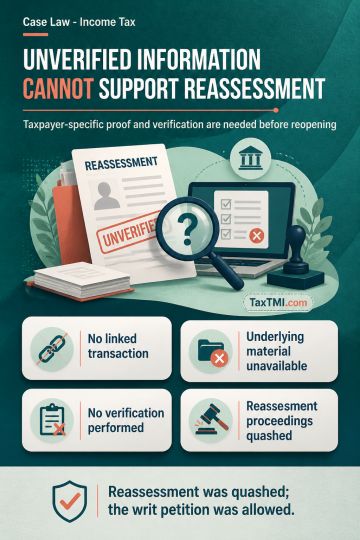
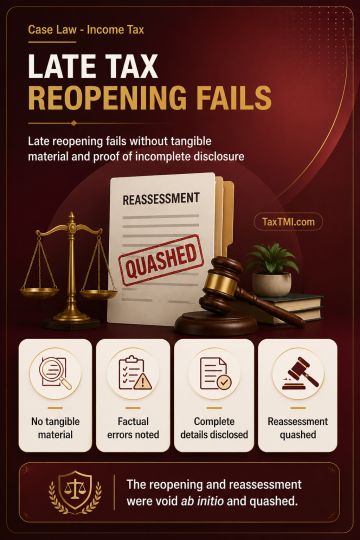
Unverified Insight Portal Information Cannot Justify Reassessment Without a Verified Taxpayer-Specific Income-Escape Nexus or Demonstrated Application...
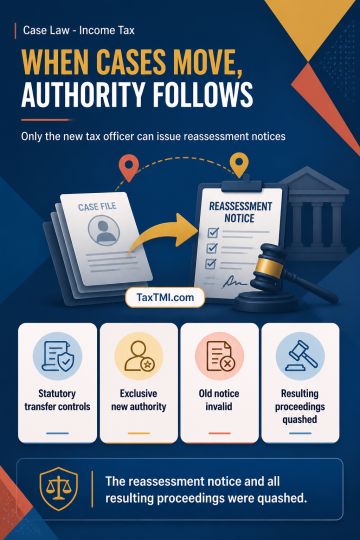
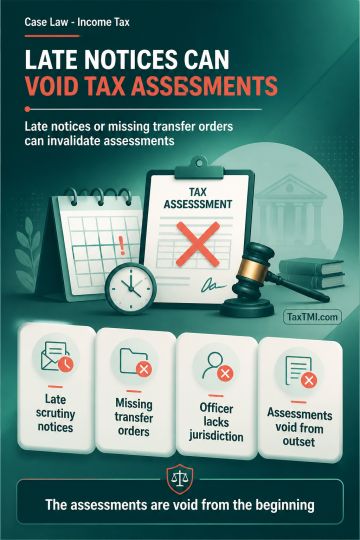
Assessing Officer jurisdiction after statutory transfer invalidates reassessment notices issued by transferor officers and nullifies resulting proceed...
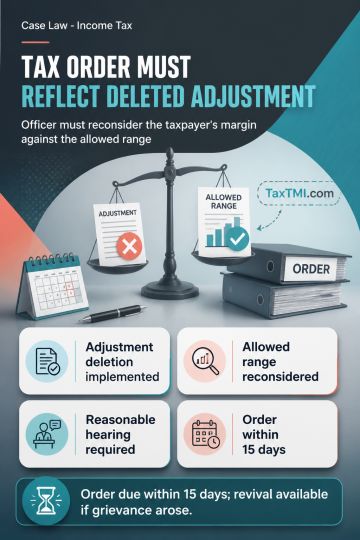
Consequential appeal-effect orders must implement rectification deleting working-capital adjustments and reconsider the resulting arm's-length range c...
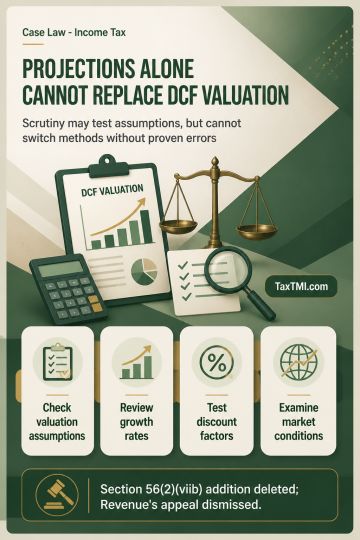
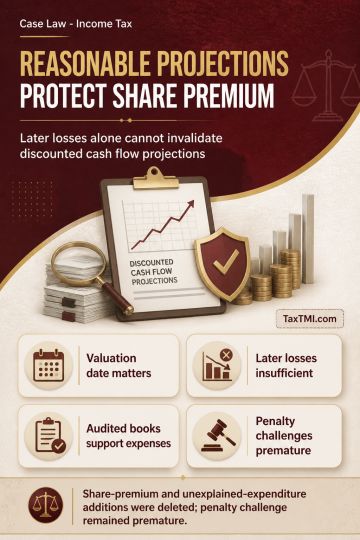
Discounted cash flow valuation protects share premium where projections are reasonable, while audited book expenses defeat unexplained-expenditure add...
Section 54 construction relief survives pre-transfer commencement when completion occurs within the statutory period, excluding ineligible spouse-owne...
CESTAT NEW DELHI held that the appellant mis-declared quantity and quality, overvalued goods, and failed to comply with Advance Authorization requirements. Allegations of concealment and suppression of facts were proven, as the appellant utilized a lapsed authorization for importing goods. Procedural irregularities in sample drawl and examination were noted, with discrepancies in fabric composition. The appellant failed to discharge export obligations and suffered financial losses due to non-cooperation. The appellant's attempt to export goods as a third party exporter was fraudulent. The order of confiscation and penalties imposed were upheld, as the appellant failed to refute findings and evidence presented by the department. Both appeals were dismissed.
CESTAT NEW DELHI held that the appellant mis-declared quantity and quality, overvalued goods, and failed to comply with Advance Authorization requirements. Allegations of concealment and suppression of facts were proven, as the appellant utilized a lapsed authorization for importing goods. Procedural irregularities in sample drawl and examination were noted, with discrepancies in fabric composition. The appellant failed to discharge export obligations and suffered financial losses due to non-cooperation. The appellant's attempt to export goods as a third party exporter was fraudulent. The order of confiscation and penalties imposed were upheld, as the appellant failed to refute findings and evidence presented by the department. Both appeals were dismissed.
Note: It is a system-generated summary and is for quick reference only.
 TaxTMI
  TaxTMI
 of 4886