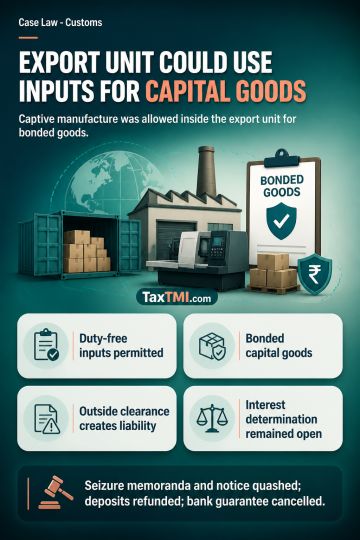
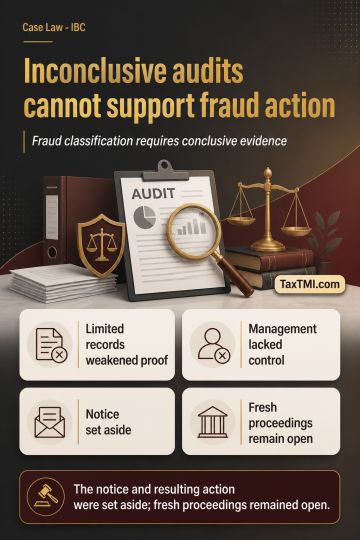
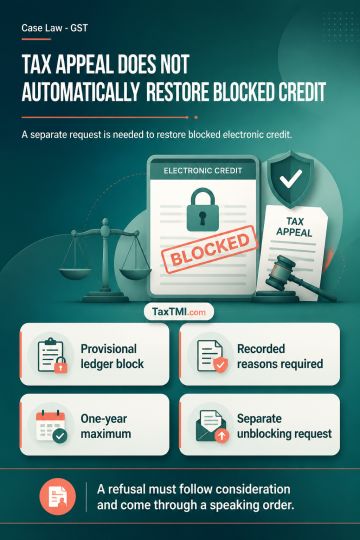
Fraud classification show-cause notices founded on inconclusive forensic audit material cannot sustain action, permitting fresh proceedings on conclus...
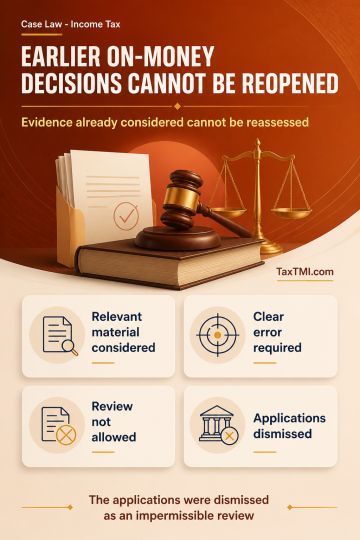
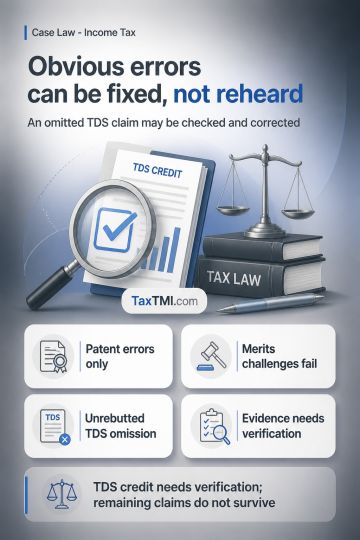
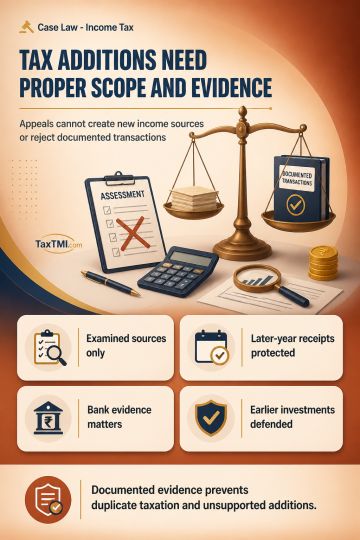
Appellate enhancement limits protect against new income sources, while documented credits and prior-year investments resist unexplained-income additio...
CESTAT NEW DELHI held that the appellant mis-declared quantity and quality, overvalued goods, and failed to comply with Advance Authorization requirements. Allegations of concealment and suppression of facts were proven, as the appellant utilized a lapsed authorization for importing goods. Procedural irregularities in sample drawl and examination were noted, with discrepancies in fabric composition. The appellant failed to discharge export obligations and suffered financial losses due to non-cooperation. The appellant's attempt to export goods as a third party exporter was fraudulent. The order of confiscation and penalties imposed were upheld, as the appellant failed to refute findings and evidence presented by the department. Both appeals were dismissed.
CESTAT NEW DELHI held that the appellant mis-declared quantity and quality, overvalued goods, and failed to comply with Advance Authorization requirements. Allegations of concealment and suppression of facts were proven, as the appellant utilized a lapsed authorization for importing goods. Procedural irregularities in sample drawl and examination were noted, with discrepancies in fabric composition. The appellant failed to discharge export obligations and suffered financial losses due to non-cooperation. The appellant's attempt to export goods as a third party exporter was fraudulent. The order of confiscation and penalties imposed were upheld, as the appellant failed to refute findings and evidence presented by the department. Both appeals were dismissed.
Note: It is a system-generated summary and is for quick reference only.
 TaxTMI
  TaxTMI
 of 4884