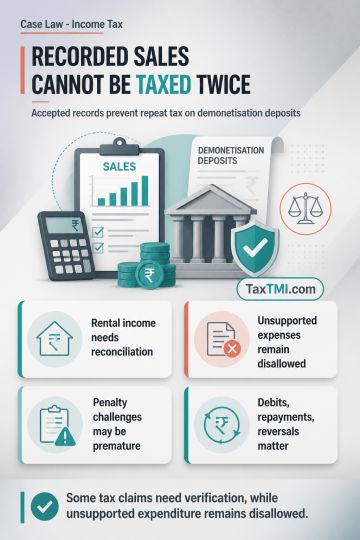
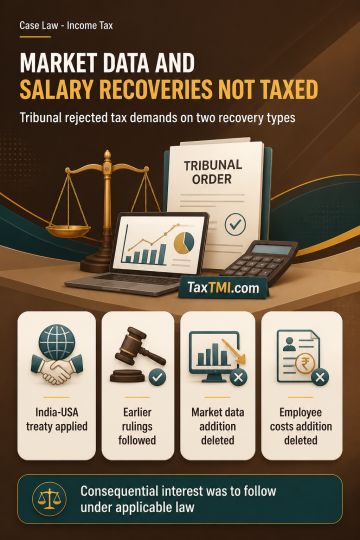
Capital-gains exemption for charitable trusts extends to qualifying fixed deposits, while unrecoverable TDS write-offs may constitute income applicati...
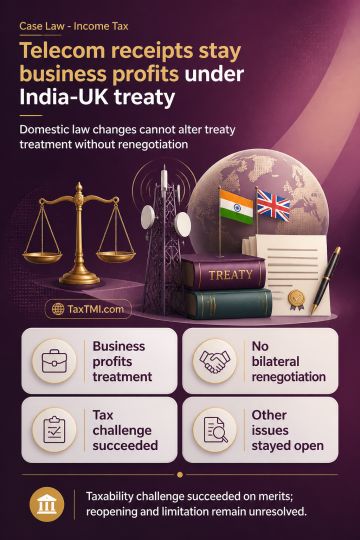
India-UK treaty characterisation of telecom-service receipts as business profits withstands unilateral domestic-law amendments for Indian tax purposes...
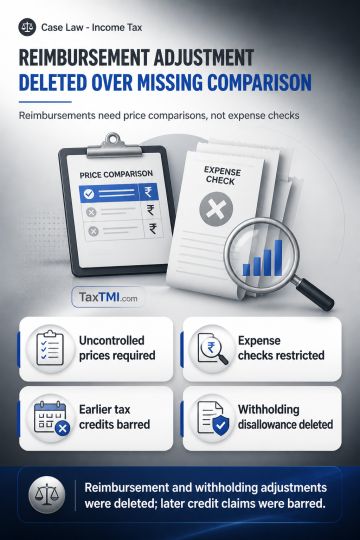
Transfer-pricing reimbursement adjustments require uncontrolled comparables and cannot become expense-genuineness reviews, resulting in deletion of th...
The ITAT Delhi held that the CIT(A) erred in not conducting a proper enquiry into the unexplained credit u/s 68. The AO and CIT(A) have a duty to investigate thoroughly. The CIT(A) should not have dismissed the AO's concerns without further enquiry. The creditworthiness of the share applicant was not proven, and the CIT(A) failed to consider vital aspects. The order of the CIT(A) was set aside for proper re-examination. Section 251 grants wide powers to the CIT(A) to enhance assessments. The CIT(A) has extraordinary powers to examine all aspects of an issue. The CIT(A) should have conducted necessary inquiries to determine taxability accurately. The appeal of the Revenue was allowed for statistical purposes.
The ITAT Delhi held that the CIT(A) erred in not conducting a proper enquiry into the unexplained credit u/s 68. The AO and CIT(A) have a duty to investigate thoroughly. The CIT(A) should not have dismissed the AO's concerns without further enquiry. The creditworthiness of the share applicant was not proven, and the CIT(A) failed to consider vital aspects. The order of the CIT(A) was set aside for proper re-examination. Section 251 grants wide powers to the CIT(A) to enhance assessments. The CIT(A) has extraordinary powers to examine all aspects of an issue. The CIT(A) should have conducted necessary inquiries to determine taxability accurately. The appeal of the Revenue was allowed for statistical purposes.
Note: It is a system-generated summary and is for quick reference only.
 TaxTMI
  TaxTMI
 of 4888