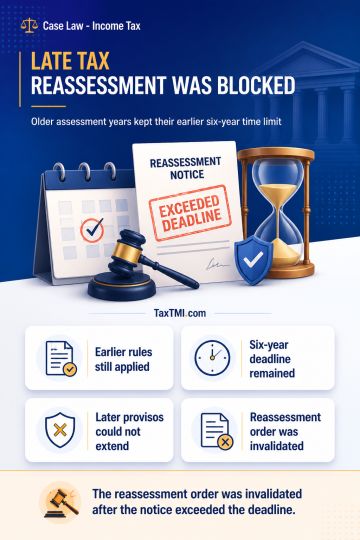
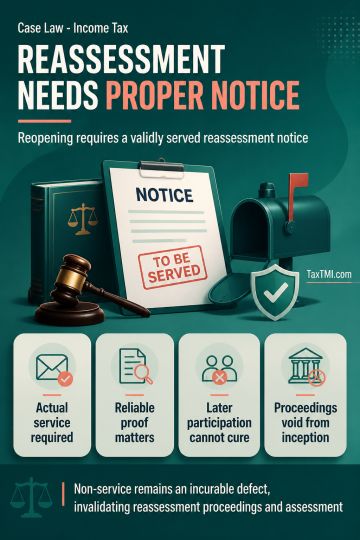
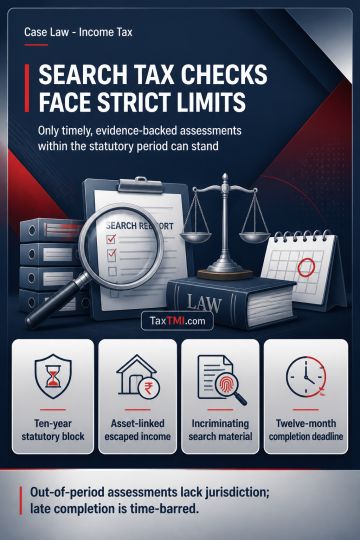
Pre-amendment reassessment limitation bars late notices under the preserved regime, invalidating consequential reassessment for affected earlier asses...
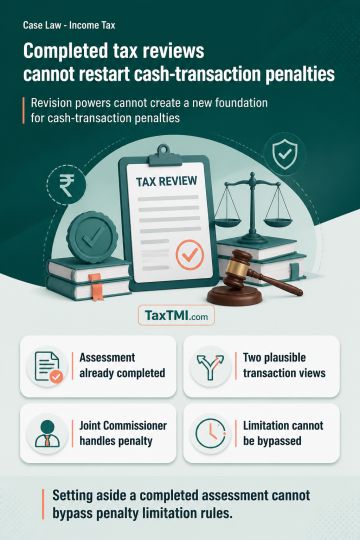
Cash-sales explanations for bank deposits require documentary reconciliation; reassessment notice survived where effective response time was available...
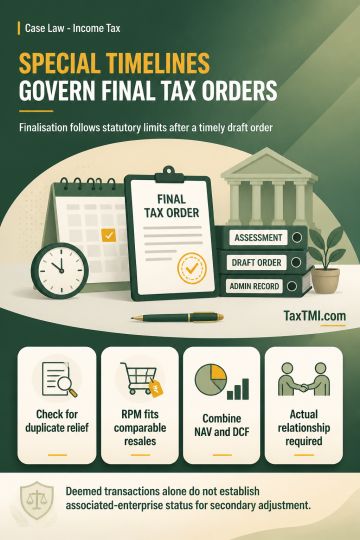
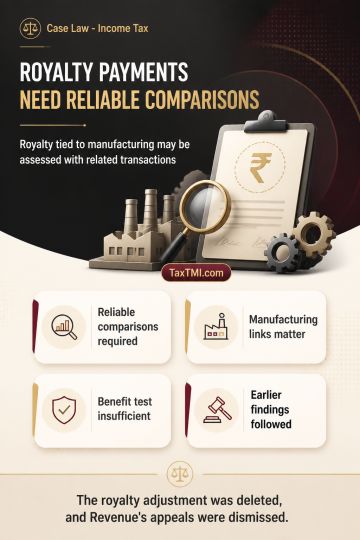
Functional comparability in transfer pricing prevents ad hoc arm's length adjustments where functions, assets, risks and reliable comparables are unes...
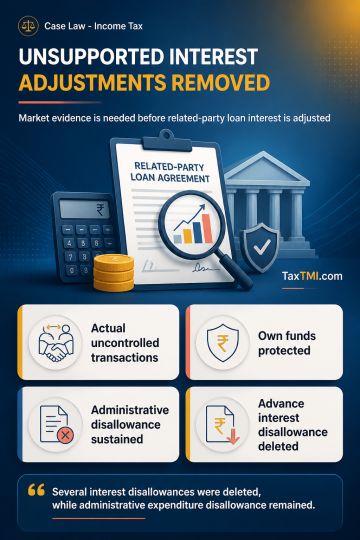
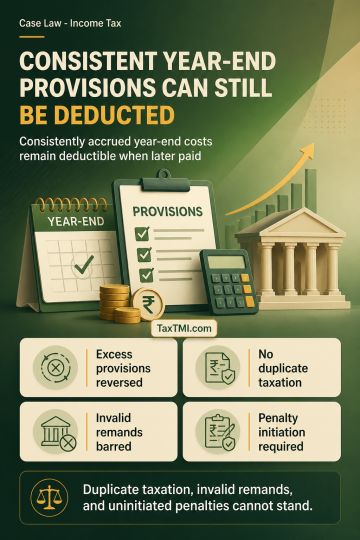
Contingency expenses, exempt-income disallowance, and royalty benchmarking: unsupported adjustments were deleted under consistent accounting and trans...
Refund of excess duty paid under protest - date on which notification came into effect. - The Tribunal referred to Section 5A of the Central Excise Act, which stipulates that a notification comes into force upon publication in the official gazette and offering for sale on the date of its issue. It cited precedents and held that the notifications were effective only from their publication dates, not from the issue dates. The Tribunal upheld the appellant's argument, emphasizing that the notifications were not effective on the specified dates due to non-publication.
Refund of excess duty paid under protest - date on which notification came into effect. - The Tribunal referred to Section 5A of the Central Excise Act, which stipulates that a notification comes into force upon publication in the official gazette and offering for sale on the date of its issue. It cited precedents and held that the notifications were effective only from their publication dates, not from the issue dates. The Tribunal upheld the appellant's argument, emphasizing that the notifications were not effective on the specified dates due to non-publication.
Note: It is a system-generated summary and is for quick reference only.
 TaxTMI
 TaxTMI

 of 4918