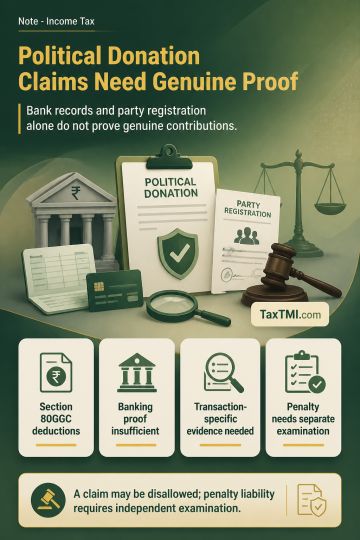
Political contribution deductions require genuine transactions; banking records and party registration alone cannot defeat evidence of accommodation e...
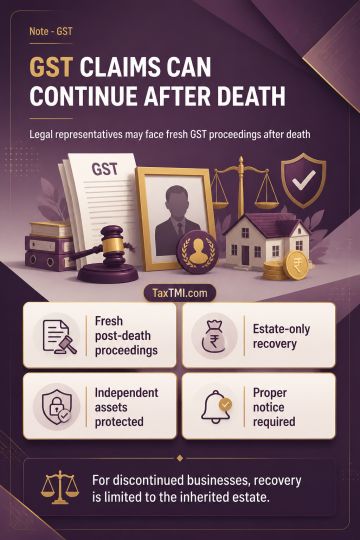
Post-death GST liability permits fresh proceedings against legal representatives, while discontinued-business recovery remains limited to the inherite...
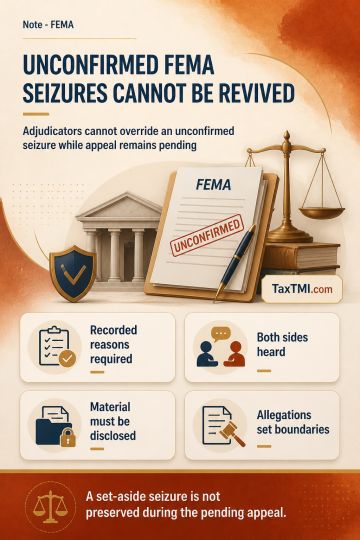
Non-confirmation of FEMA seizure prevents adjudicators from overriding pending appellate findings on recorded reasons and suspected foreign asset hold...
Classification of transactions involving the supply of antivirus software license codes/keys to end-users as either a provision of service or sale of goods. - The Tribunal concurred with the Supreme Court's view that the essence of a transaction involving canned software, which is physically transferred on media like CDs, constitutes a sale of goods rather than the provision of a service. This is because the transaction entails the transfer of right to use the software, satisfying the criteria of 'deemed sale' under the Constitution. - The Tribunal found that the adjudicating authority erred in imposing service tax on the transactions. It underscored that the appellant's distribution of software license codes/keys, which are integral to the use of antivirus software, falls within the ambit of 'deemed sale' and thus cannot be subjected to service tax.
Classification of transactions involving the supply of antivirus software license codes/keys to end-users as either a provision of service or sale of goods. - The Tribunal concurred with the Supreme Court's view that the essence of a transaction involving canned software, which is physically transferred on media like CDs, constitutes a sale of goods rather than the provision of a service. This is because the transaction entails the transfer of right to use the software, satisfying the criteria of 'deemed sale' under the Constitution. - The Tribunal found that the adjudicating authority erred in imposing service tax on the transactions. It underscored that the appellant's distribution of software license codes/keys, which are integral to the use of antivirus software, falls within the ambit of 'deemed sale' and thus cannot be subjected to service tax.
Note: It is a system-generated summary and is for quick reference only.
 TaxTMI
  TaxTMI