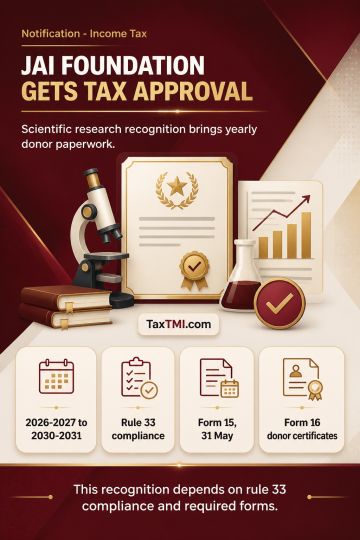
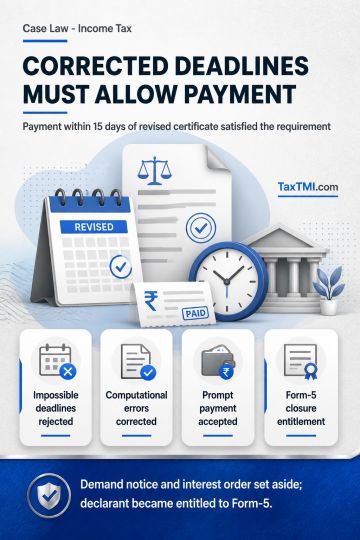
Scientific research approval grants a research association tax recognition, subject to annual donor reporting, certification, and regulatory complianc...
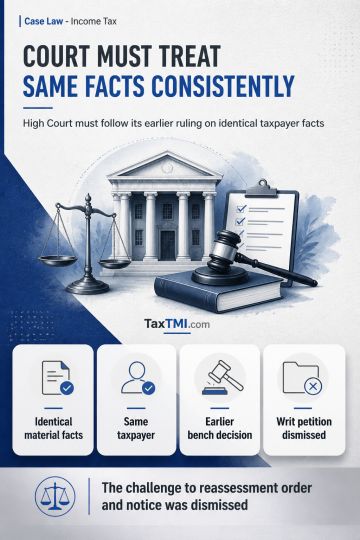
Judicial discipline requires consistent reassessment treatment where identical facts were decided for the same taxpayer in the preceding assessment ye...
Dishonor of cheques - Condonation of delay of 1259 days in filing the complaint for an offence punishable u/s 138 of the Negotiable Instruments Act, 1881 - Exercise of Discretion by Lower Courts- sufficient reason to condone the delay or not - The High courts uphold the discretion exercised by the lower courts, emphasizing the importance of balancing procedural requirements with substantive justice. - Various legal principles and precedents are cited and analyzed throughout the proceedings, including the liberal interpretation of the concept of "sufficient cause" for condonation of delay and the significance of balancing substantive justice with procedural requirements. - Ultimately, the court dismisses the petition, affirming the lower courts' exercise of discretion to condone the delay.
Dishonor of cheques - Condonation of delay of 1259 days in filing the complaint for an offence punishable u/s 138 of the Negotiable Instruments Act, 1881 - Exercise of Discretion by Lower Courts- sufficient reason to condone the delay or not - The High courts uphold the discretion exercised by the lower courts, emphasizing the importance of balancing procedural requirements with substantive justice. - Various legal principles and precedents are cited and analyzed throughout the proceedings, including the liberal interpretation of the concept of "sufficient cause" for condonation of delay and the significance of balancing substantive justice with procedural requirements. - Ultimately, the court dismisses the petition, affirming the lower courts' exercise of discretion to condone the delay.
Note: It is a system-generated summary and is for quick reference only.
 TaxTMI
  TaxTMI
 of 4891