Third-party loose sheets require reliable nexus before supporting unexplained expenditure additions; presumptions do not establish payer identity or o...
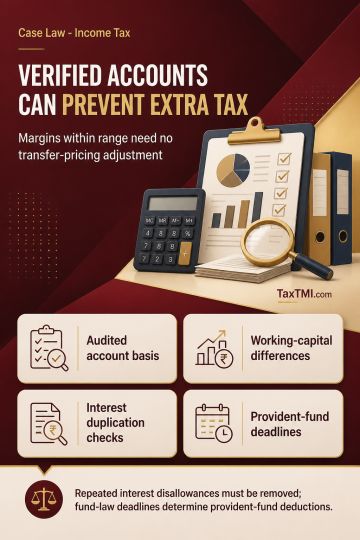
TNMM comparability using audited accounts and working-capital adjustments can eliminate unwarranted transfer-pricing additions where verified margins ...
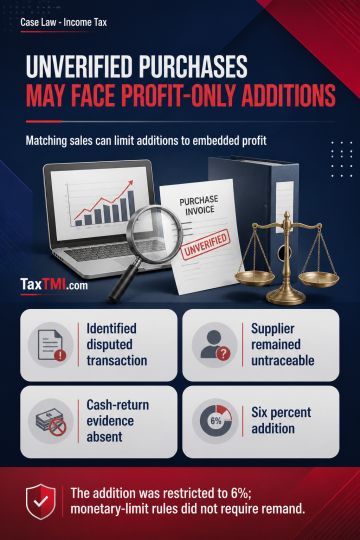
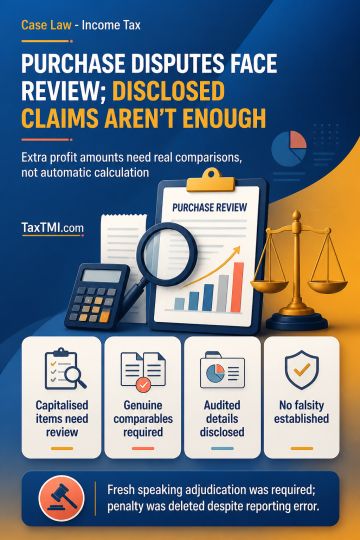
Gross-profit additions on disputed purchases require reasoned appellate determination; disclosed claims alone do not support inaccurate-particulars pe...
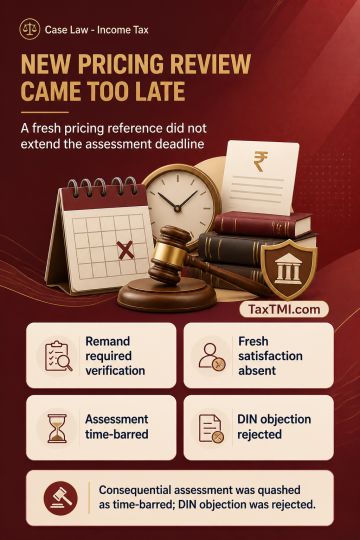
Limitation after transfer-pricing remand: fresh TPO reference did not extend the assessment deadline, rendering the consequential assessment time-barr...
Interim judicial restraint on tax deduction prevents default, while supporting reasonable cause and penalty deletion for foreign-leg LFC reimbursement...
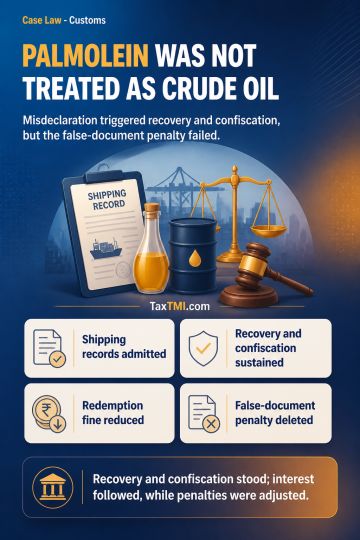
Palmolein classification defeated the crude-oil concession; material misdeclaration sustained recovery and confiscation, while separate false-document...
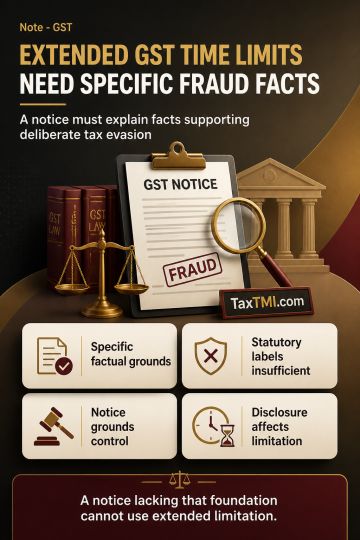
Section 74 of the CGST Act permits the extended limitation route only where a show cause notice states factual grounds showing that tax short-payment, erroneous refund, or wrongful input tax credit arose by reason of fraud, wilful misstatement, or suppression intended to evade tax. Bare statutory labels, audit objections, later affidavits, or new grounds in an order cannot cure a notice lacking that jurisdictional foundation. Section 75(7) confines confirmation to grounds specified in the notice, while Section 75(2) may deem a validly founded Section 74 notice to be under Section 73 if aggravated conduct is not established. Deliberate conduct, causal nexus, and taxpayer disclosure are central to extended limitation.
Section 74 of the CGST Act permits the extended limitation route only where a show cause notice states factual grounds showing that tax short-payment, erroneous refund, or wrongful input tax credit arose by reason of fraud, wilful misstatement, or suppression intended to evade tax. Bare statutory labels, audit objections, later affidavits, or new grounds in an order cannot cure a notice lacking that jurisdictional foundation. Section 75(7) confines confirmation to grounds specified in the notice, while Section 75(2) may deem a validly founded Section 74 notice to be under Section 73 if aggravated conduct is not established. Deliberate conduct, causal nexus, and taxpayer disclosure are central to extended limitation.
Note: It is a system-generated summary and is for quick reference only.
 TaxTMI
  TaxTMI
 of 4891