Duplicate PAN allocation requires record verification and deactivation reasons before assessment-related transactions can be attributed to an assessee...
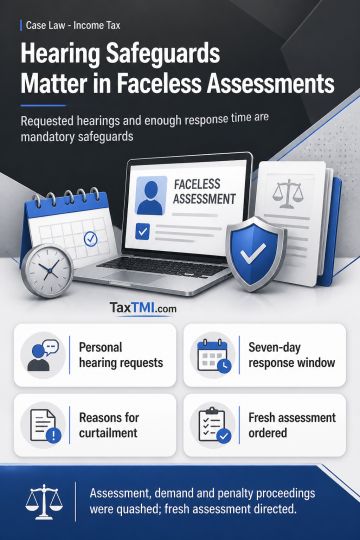
Faceless assessment safeguards require requested personal hearings and adequate final show-cause response time, failing which reassessment is required...
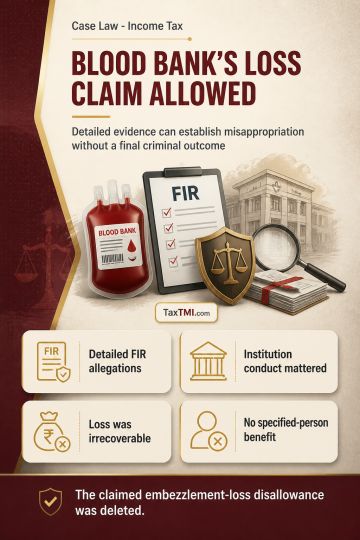
Embezzlement losses in charitable institutions remain allowable when misappropriation is established, irrecoverable, and not a specified-person benefi...
National long-distance undertaking status supports deduction where separately licensed infrastructure, resources, revenue, and expenditure establish c...
Agency reimbursement income follows contractual deposit-liability computation, while pending deposit collections do not constitute deemed-dividend loa...
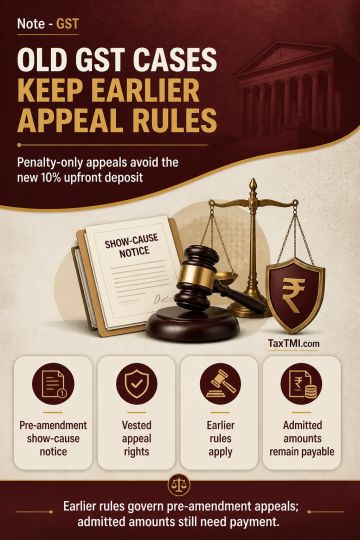
Section 107(6)'s substituted proviso, requiring a ten per cent pre-deposit for penalty-only appeals, does not apply where a formal show-cause notice commenced adjudication before 1 October 2025. The High Court treated the right of appeal and its associated conditions as substantive and vested when the lis begins. Because the new filing-stage deposit may bar access to the appellate forum, it is an onerous condition rather than merely procedural. In the absence of express retrospective operation or necessary intendment, appeals from pre-amendment proceedings remain governed by the earlier regime, while admitted amounts remain payable. The Appellate Authority has no inherent power to waive an applicable mandatory deposit.
Section 107(6)'s substituted proviso, requiring a ten per cent pre-deposit for penalty-only appeals, does not apply where a formal show-cause notice commenced adjudication before 1 October 2025. The High Court treated the right of appeal and its associated conditions as substantive and vested when the lis begins. Because the new filing-stage deposit may bar access to the appellate forum, it is an onerous condition rather than merely procedural. In the absence of express retrospective operation or necessary intendment, appeals from pre-amendment proceedings remain governed by the earlier regime, while admitted amounts remain payable. The Appellate Authority has no inherent power to waive an applicable mandatory deposit.
Note: It is a system-generated summary and is for quick reference only.
 TaxTMI
  TaxTMI
 of 4894