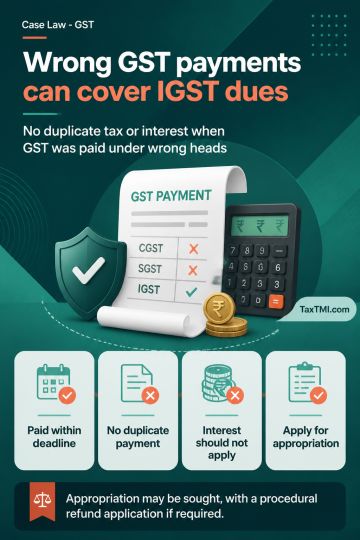
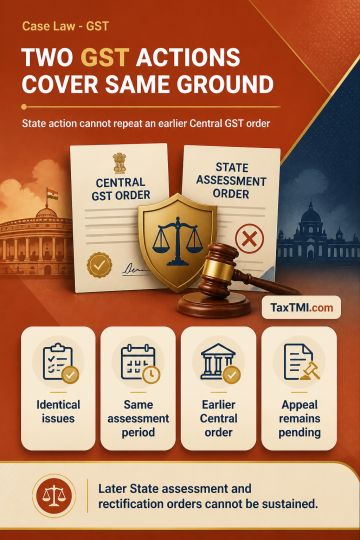
Fraud classification show-cause notices founded on inconclusive forensic audit material cannot sustain action, permitting fresh proceedings on conclus...
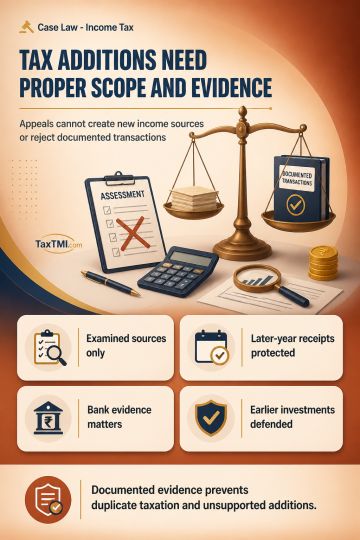
Appellate enhancement limits protect against new income sources, while documented credits and prior-year investments resist unexplained-income additio...
Retrospective section 16(5) permits input tax credit for specified financial years where claimed through GSTR-3B filed by the prescribed deadline, overriding the earlier limitation in section 16(4). GSTR-3B functions as the section 39 return for this purpose. Credit is availed when claimed and credited to the Electronic Credit Ledger; later utilisation does not constitute delayed availment. Discrepancies in GSTR-9 or GSTR-9C cannot by themselves extinguish credit already claimed through GSTR-3B. A demand founded solely on limitation cannot be sustained on new substantive grounds absent from the show-cause notice and original adjudication. Interest and penalty dependent exclusively on an invalid credit denial lack an independent basis.
Retrospective section 16(5) permits input tax credit for specified financial years where claimed through GSTR-3B filed by the prescribed deadline, overriding the earlier limitation in section 16(4). GSTR-3B functions as the section 39 return for this purpose. Credit is availed when claimed and credited to the Electronic Credit Ledger; later utilisation does not constitute delayed availment. Discrepancies in GSTR-9 or GSTR-9C cannot by themselves extinguish credit already claimed through GSTR-3B. A demand founded solely on limitation cannot be sustained on new substantive grounds absent from the show-cause notice and original adjudication. Interest and penalty dependent exclusively on an invalid credit denial lack an independent basis.
Note: It is a system-generated summary and is for quick reference only.
 TaxTMI
  TaxTMI
 of 4881