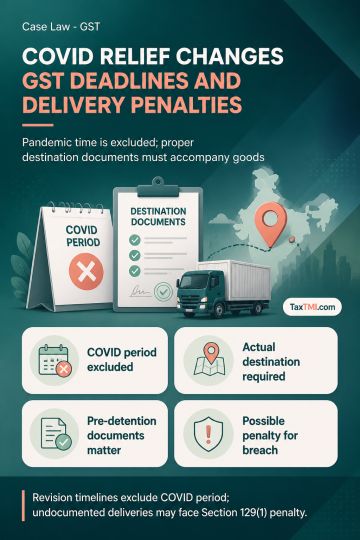
COVID-19 limitation exclusion and destination-specific e-way bills govern revisional timelines and penalties for undocumented third-party plywood deli...
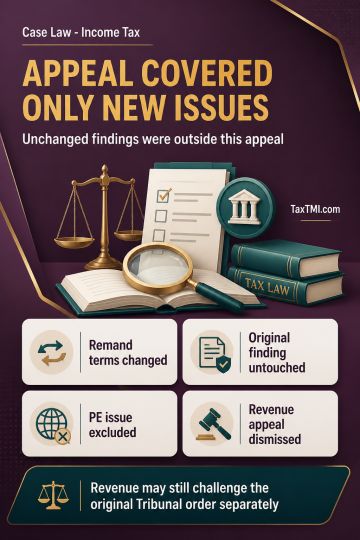
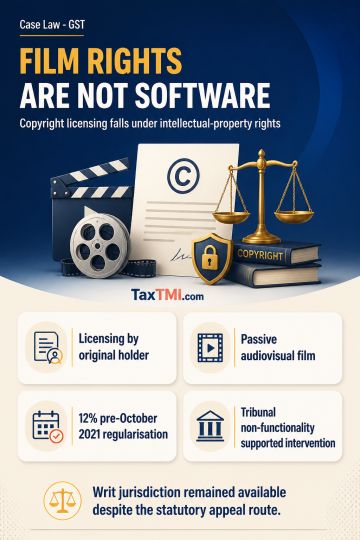
Questions arising from miscellaneous application orders cannot challenge unaltered Tribunal findings, leaving the original order separately challengea...
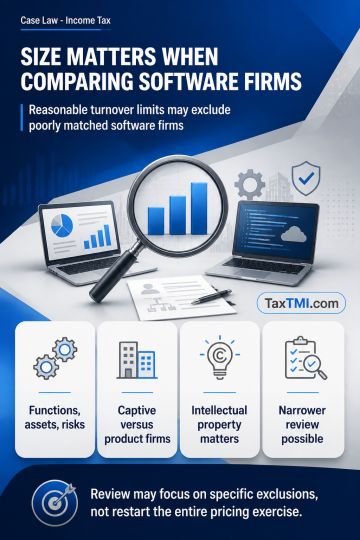
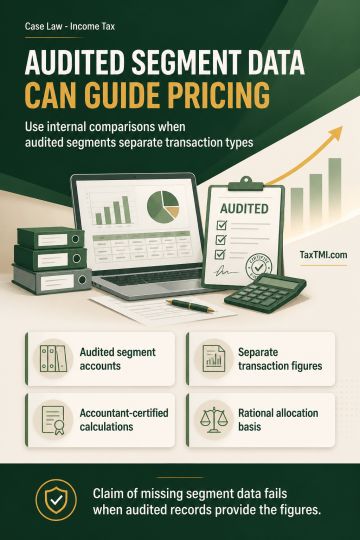
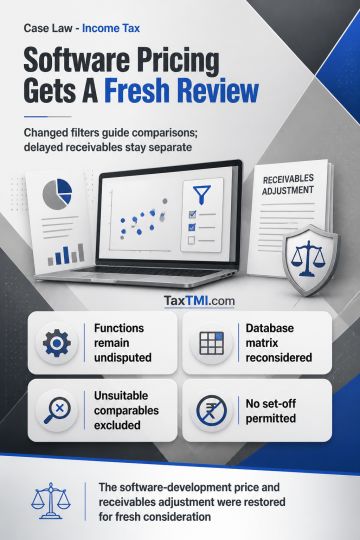
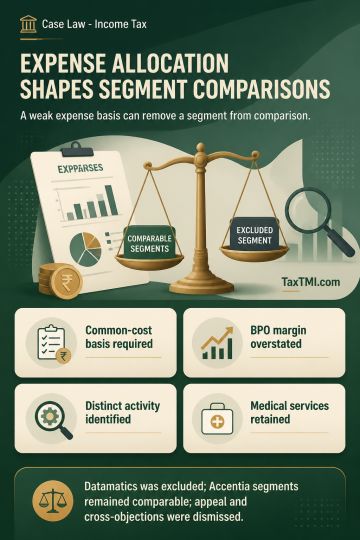
Transfer-pricing comparability filters require fresh arm's-length analysis, while delayed receivables need separate reconsideration with working-capit...
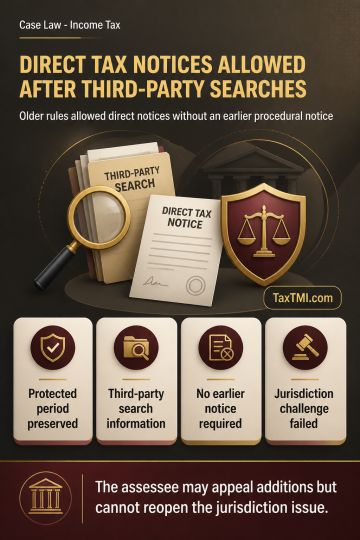
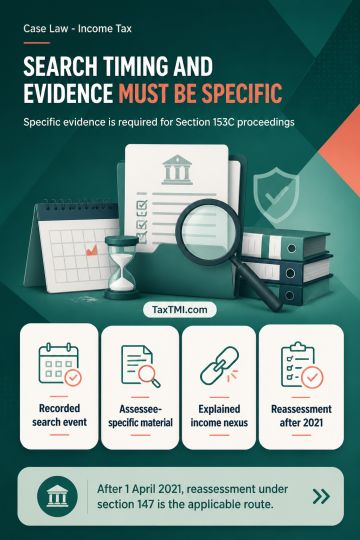
Section 153C jurisdiction requires timely deemed search and assessee-specific satisfaction material; otherwise reassessment must use the proper statut...
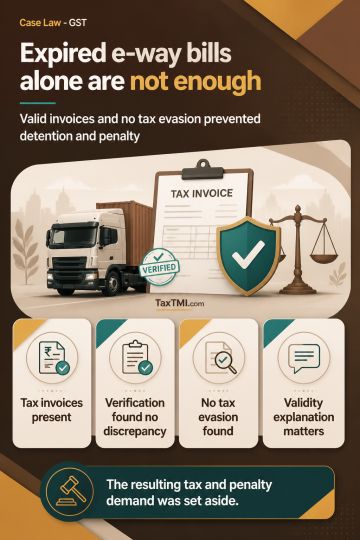
Expiry of an e-way bill, without more, does not justify detention, integrated tax, or penalty under section 129 where the consignment is accompanied by tax invoices and supporting documents, physical verification reveals no discrepancy, and no tax evasion is found. Board instructions distinguish minor procedural lapses from substantive breaches. The explanation for failure to extend e-way bill validity requires consideration, and intention to evade tax remains relevant. On these facts, invoking section 129 solely for expired e-way bills was unjustified, and the resulting tax and penalty demand was set aside.
Expiry of an e-way bill, without more, does not justify detention, integrated tax, or penalty under section 129 where the consignment is accompanied by tax invoices and supporting documents, physical verification reveals no discrepancy, and no tax evasion is found. Board instructions distinguish minor procedural lapses from substantive breaches. The explanation for failure to extend e-way bill validity requires consideration, and intention to evade tax remains relevant. On these facts, invoking section 129 solely for expired e-way bills was unjustified, and the resulting tax and penalty demand was set aside.
Note: It is a system-generated summary and is for quick reference only.
 TaxTMI
  TaxTMI
 of 4881