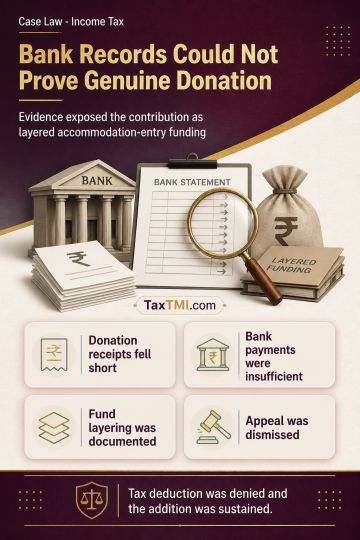
Human-probability test defeats political donation deduction where banking records mask accommodation-entry fund layering and evidence shows non-genuin...
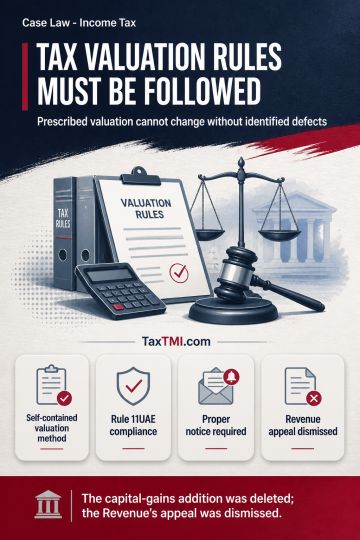
Commercial property status protects capital-gains exemption when residential-house ownership limits are tested, while agricultural-land character gove...
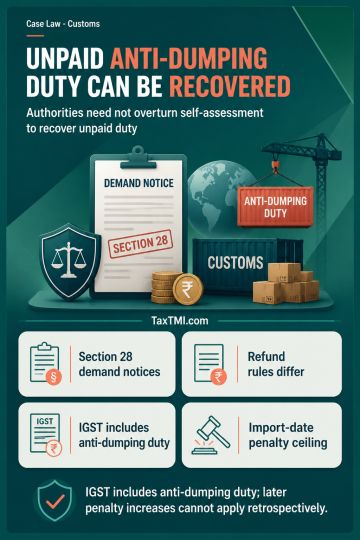
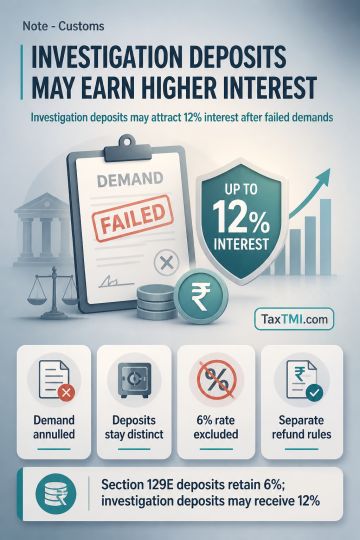
Investigation deposits refunded after failed customs demands fall outside the statutory appellate pre-deposit interest regime and may attract compensa...
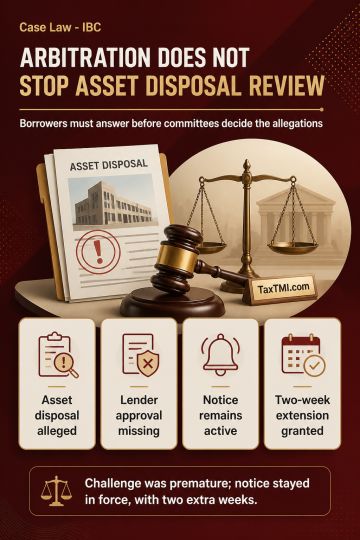
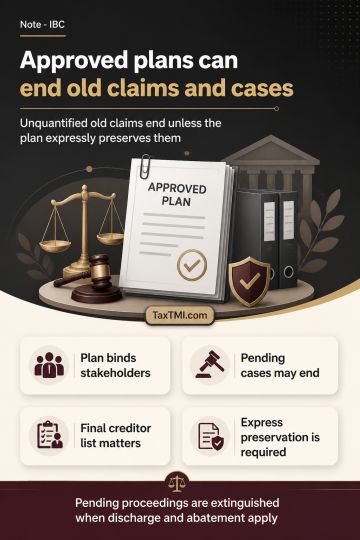
Resolution plan finality extinguishes unquantified operational-creditor claims and pending proceedings unless the approved plan expressly preserves th...
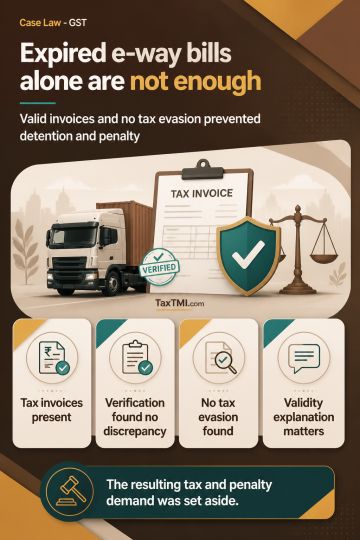
Expiry of an e-way bill, without more, does not justify detention, integrated tax, or penalty under section 129 where the consignment is accompanied by tax invoices and supporting documents, physical verification reveals no discrepancy, and no tax evasion is found. Board instructions distinguish minor procedural lapses from substantive breaches. The explanation for failure to extend e-way bill validity requires consideration, and intention to evade tax remains relevant. On these facts, invoking section 129 solely for expired e-way bills was unjustified, and the resulting tax and penalty demand was set aside.
Expiry of an e-way bill, without more, does not justify detention, integrated tax, or penalty under section 129 where the consignment is accompanied by tax invoices and supporting documents, physical verification reveals no discrepancy, and no tax evasion is found. Board instructions distinguish minor procedural lapses from substantive breaches. The explanation for failure to extend e-way bill validity requires consideration, and intention to evade tax remains relevant. On these facts, invoking section 129 solely for expired e-way bills was unjustified, and the resulting tax and penalty demand was set aside.
Note: It is a system-generated summary and is for quick reference only.
 TaxTMI
  TaxTMI
 of 4881