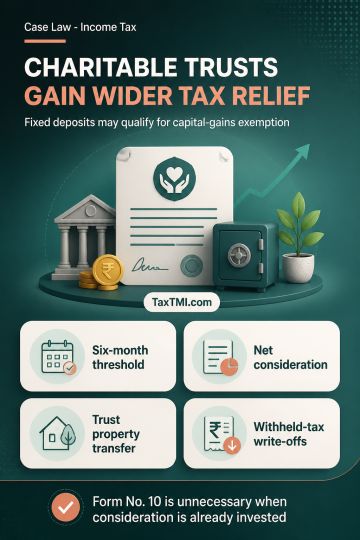
Capital-gains exemption for charitable trusts extends to qualifying fixed deposits, while unrecoverable TDS write-offs may constitute income applicati...
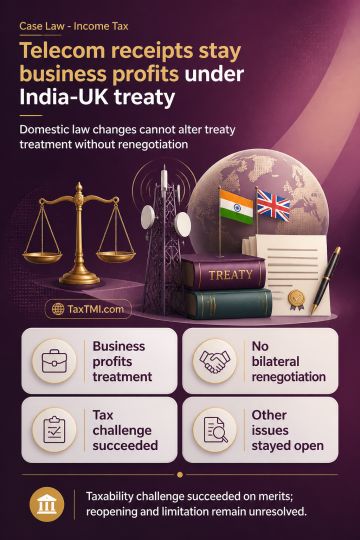
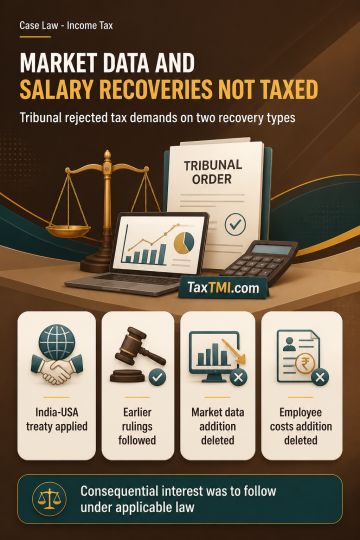
India-UK treaty characterisation of telecom-service receipts as business profits withstands unilateral domestic-law amendments for Indian tax purposes...
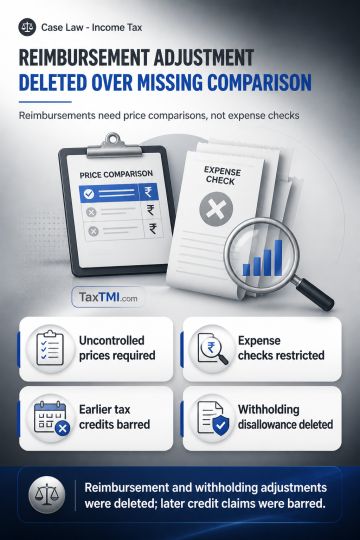
Transfer-pricing reimbursement adjustments require uncontrolled comparables and cannot become expense-genuineness reviews, resulting in deletion of th...
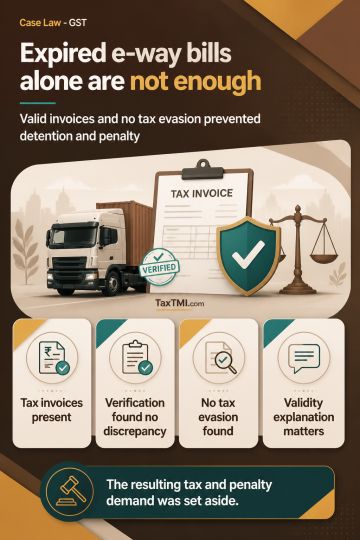
Expiry of an e-way bill, without more, does not justify detention, integrated tax, or penalty under section 129 where the consignment is accompanied by tax invoices and supporting documents, physical verification reveals no discrepancy, and no tax evasion is found. Board instructions distinguish minor procedural lapses from substantive breaches. The explanation for failure to extend e-way bill validity requires consideration, and intention to evade tax remains relevant. On these facts, invoking section 129 solely for expired e-way bills was unjustified, and the resulting tax and penalty demand was set aside.
Expiry of an e-way bill, without more, does not justify detention, integrated tax, or penalty under section 129 where the consignment is accompanied by tax invoices and supporting documents, physical verification reveals no discrepancy, and no tax evasion is found. Board instructions distinguish minor procedural lapses from substantive breaches. The explanation for failure to extend e-way bill validity requires consideration, and intention to evade tax remains relevant. On these facts, invoking section 129 solely for expired e-way bills was unjustified, and the resulting tax and penalty demand was set aside.
Note: It is a system-generated summary and is for quick reference only.
 TaxTMI
  TaxTMI
 of 4878