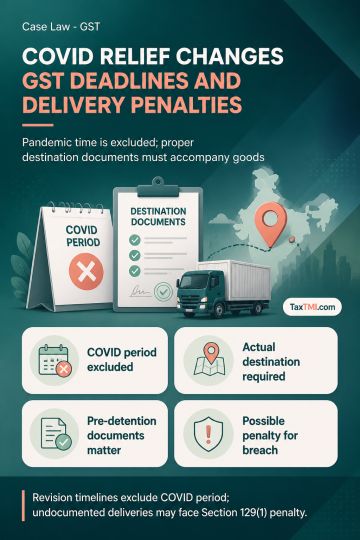
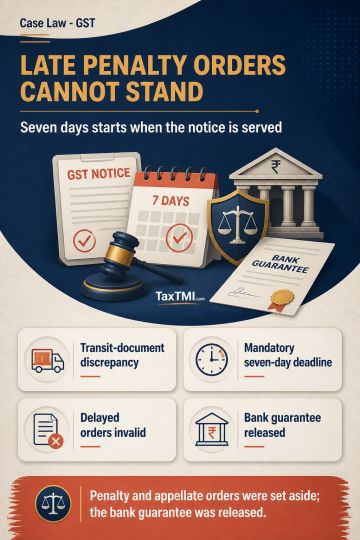
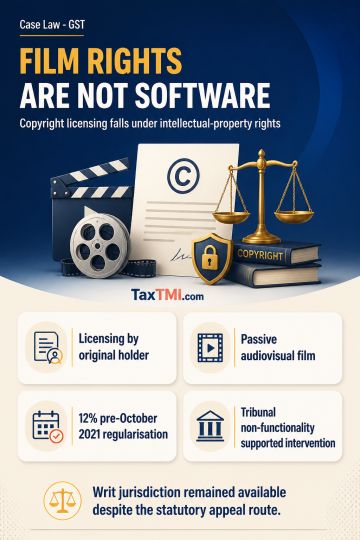
COVID-19 limitation exclusion and destination-specific e-way bills govern revisional timelines and penalties for undocumented third-party plywood deli...
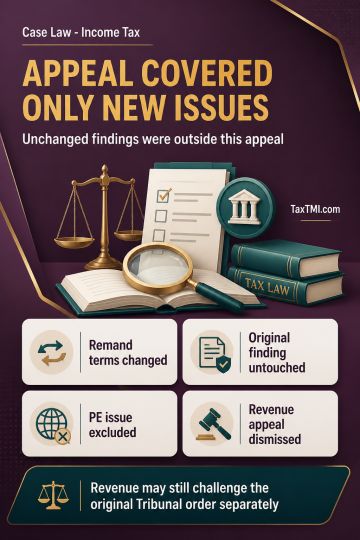
Questions arising from miscellaneous application orders cannot challenge unaltered Tribunal findings, leaving the original order separately challengea...
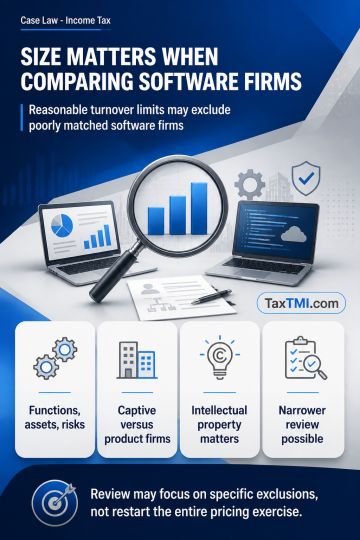
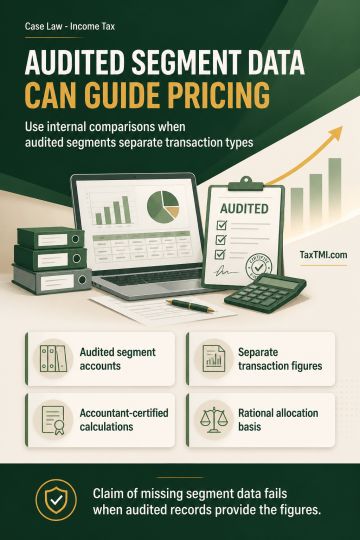
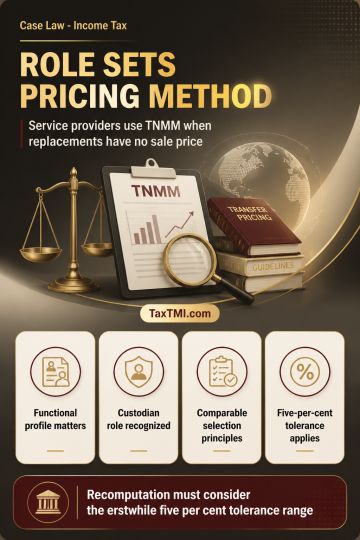
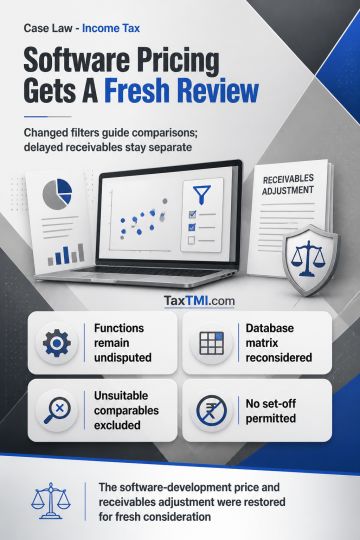
Transfer-pricing comparability filters require fresh arm's-length analysis, while delayed receivables need separate reconsideration with working-capit...
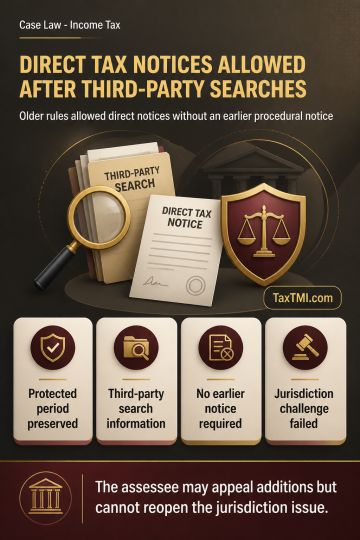
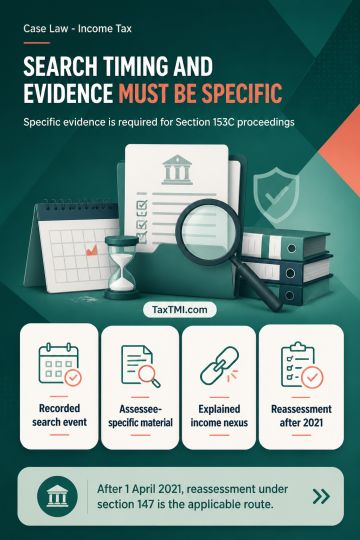
Section 153C jurisdiction requires timely deemed search and assessee-specific satisfaction material; otherwise reassessment must use the proper statut...
Page of 4891
Press 'Enter' after typing page number.
681 to 700 of 97820 Results
❮
❯
❯❯
0 / 200
Expand Note
Add to Folder
No Folders have been created
+
Are you sure you want to delete "My most important" ?
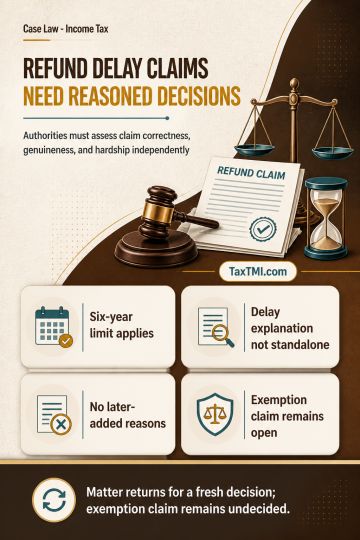
Section 119(2)(b) permits condonation of delay in a revised return seeking refund to prevent genuine hardship, subject to the prescribed six-year limit. The competent authority must independently determine whether the refund claim is correct and genuine and whether genuine hardship exists; this power cannot be exercised routinely. A rejection cannot rest on irrelevant considerations or an unreasoned denial of hardship, and recorded reasons cannot be supplemented in court. The sufficient-cause standard for delayed appeals under the Limitation Act does not impose a stand-alone requirement to explain delay under section 119(2)(b). The refusal to condone was quashed and remitted for a fresh reasoned decision, leaving the exemption claim open.
Section 119(2)(b) permits condonation of delay in a revised return seeking refund to prevent genuine hardship, subject to the prescribed six-year limit. The competent authority must independently determine whether the refund claim is correct and genuine and whether genuine hardship exists; this power cannot be exercised routinely. A rejection cannot rest on irrelevant considerations or an unreasoned denial of hardship, and recorded reasons cannot be supplemented in court. The sufficient-cause standard for delayed appeals under the Limitation Act does not impose a stand-alone requirement to explain delay under section 119(2)(b). The refusal to condone was quashed and remitted for a fresh reasoned decision, leaving the exemption claim open.
Note: It is a system-generated summary and is for quick reference only.
 TaxTMI
  TaxTMI
 of 4891