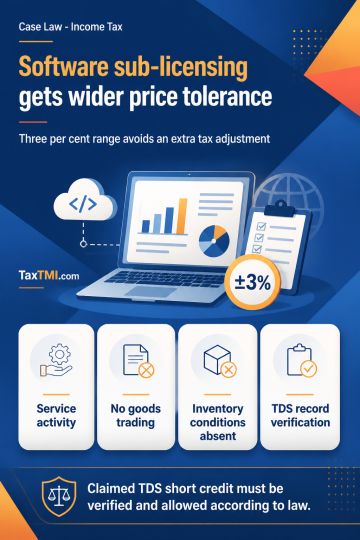
Transfer-pricing tolerance for software sub-licensing falls within the services range, eliminating the adjustment and requiring TDS-credit verificatio...
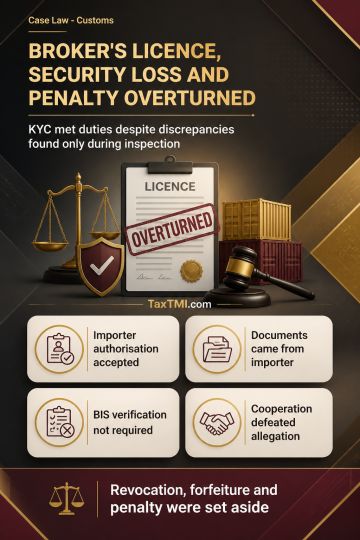
Customs Broker due diligence requires prescribed KYC, not detecting misdeclarations discoverable only through physical examination, defeating licence ...
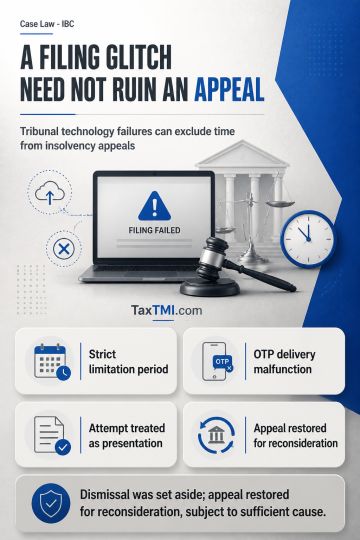
E-filing system failure permits exclusion of affected time in insolvency appeals, preventing tribunal technology defects from defeating timely filings...
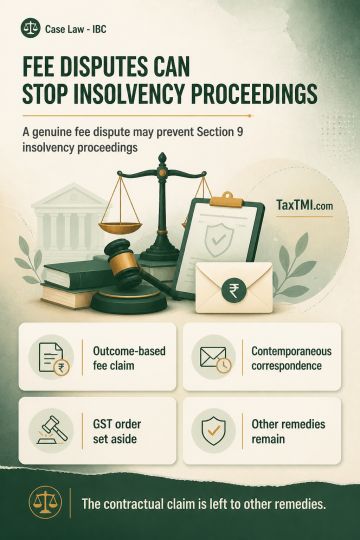
Pre-existing disputes over outcome-based professional fees can bar Section 9 insolvency proceedings where contractual entitlement requires investigati...
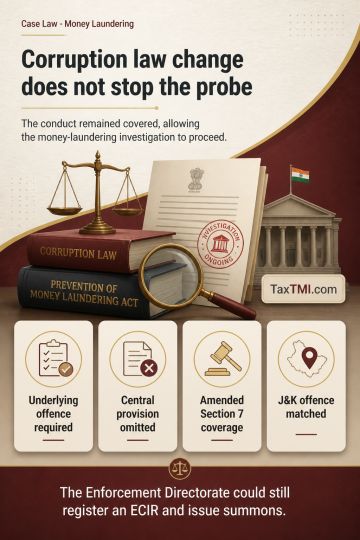
Corresponding scheduled offences preserve money-laundering jurisdiction despite repeal of the central corruption provision where conduct remains cover...
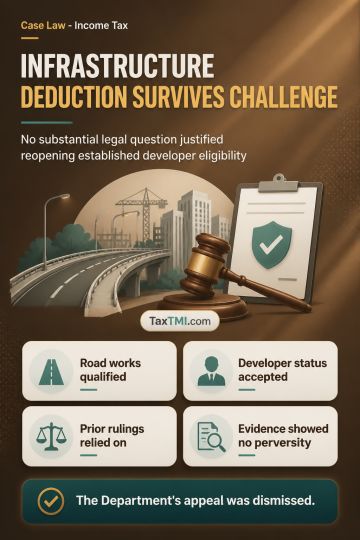
Section 260-A permits a High Court appeal only where a substantial question of law arises; it does not allow reappreciation of evidence or replacement of concurrent factual findings. Concurrent findings that road and infrastructure works qualified the assessee as a developer eligible for deduction under section 80-IA(4) were based on the record, with no perversity or erroneous legal test shown. Reliance on a previously confirmed Tribunal order and dismissal of a similar appeal for another assessment year did not create a substantial question of law. The Department's appeal was dismissed.
Section 260-A permits a High Court appeal only where a substantial question of law arises; it does not allow reappreciation of evidence or replacement of concurrent factual findings. Concurrent findings that road and infrastructure works qualified the assessee as a developer eligible for deduction under section 80-IA(4) were based on the record, with no perversity or erroneous legal test shown. Reliance on a previously confirmed Tribunal order and dismissal of a similar appeal for another assessment year did not create a substantial question of law. The Department's appeal was dismissed.
Note: It is a system-generated summary and is for quick reference only.
 TaxTMI
  TaxTMI
 of 4886