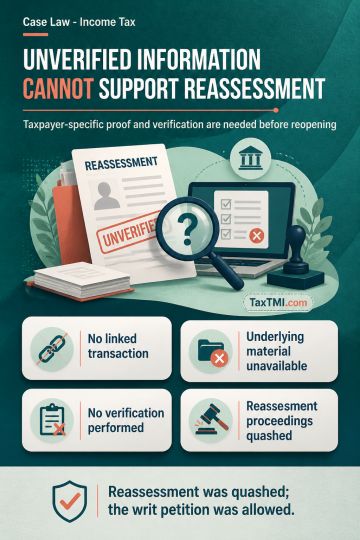
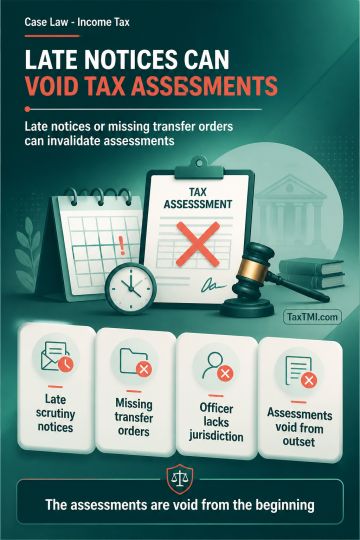
Unverified Insight Portal Information Cannot Justify Reassessment Without a Verified Taxpayer-Specific Income-Escape Nexus or Demonstrated Application...
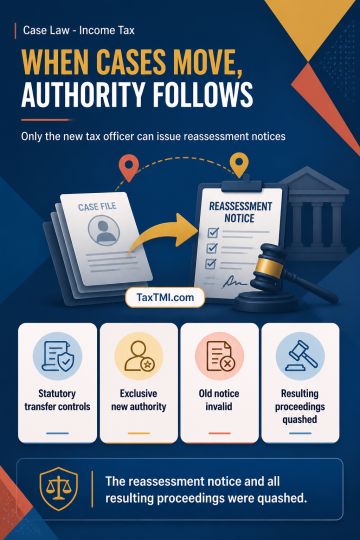
Assessing Officer jurisdiction after statutory transfer invalidates reassessment notices issued by transferor officers and nullifies resulting proceed...
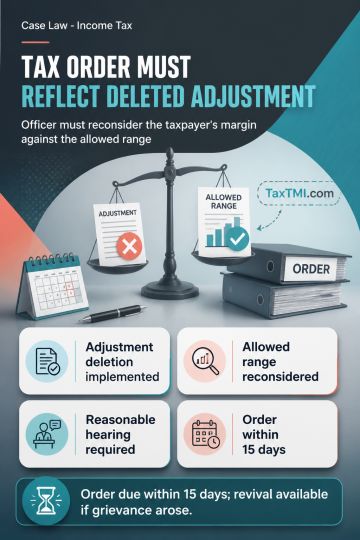
Consequential appeal-effect orders must implement rectification deleting working-capital adjustments and reconsider the resulting arm's-length range c...
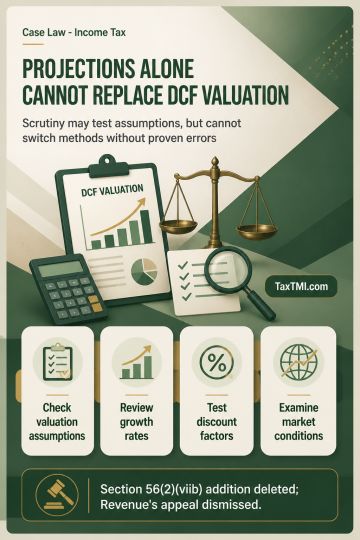
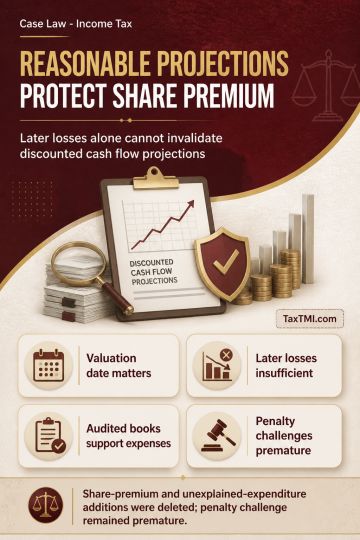
Discounted cash flow valuation protects share premium where projections are reasonable, while audited book expenses defeat unexplained-expenditure add...
Section 54 construction relief survives pre-transfer commencement when completion occurs within the statutory period, excluding ineligible spouse-owne...
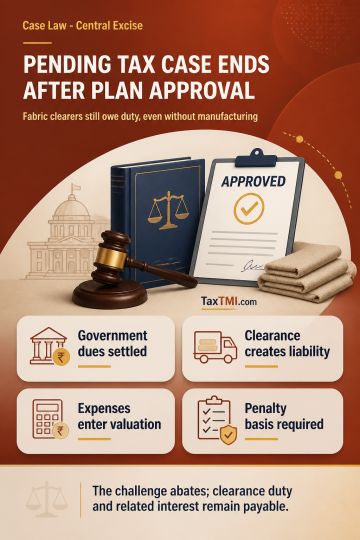
Approval of a resolution plan settling confirmed government dues causes the corporate debtor's pending excise appeal to abate. Excise duty remains payable by persons who clear processed fabrics, even where they are not manufacturers, because liability attaches on clearance; however, the transferee's specific penalty concerning stock was not sustained. Pre-clearance grading, cartage, brokerage and stock-interest expenses form part of assessable value where goods enter wholesale trade only on sale to independent buyers, sustaining the related duty and interest. Penalty for intent to evade duty requires findings of prescribed conduct and cannot rest solely on inadmissible valuation deductions. Penalties relating to confiscable goods likewise require their statutory basis; general penalties may instead apply to proven participation in duty evasion.
Approval of a resolution plan settling confirmed government dues causes the corporate debtor's pending excise appeal to abate. Excise duty remains payable by persons who clear processed fabrics, even where they are not manufacturers, because liability attaches on clearance; however, the transferee's specific penalty concerning stock was not sustained. Pre-clearance grading, cartage, brokerage and stock-interest expenses form part of assessable value where goods enter wholesale trade only on sale to independent buyers, sustaining the related duty and interest. Penalty for intent to evade duty requires findings of prescribed conduct and cannot rest solely on inadmissible valuation deductions. Penalties relating to confiscable goods likewise require their statutory basis; general penalties may instead apply to proven participation in duty evasion.
Note: It is a system-generated summary and is for quick reference only.
 TaxTMI
  TaxTMI
 of 4881