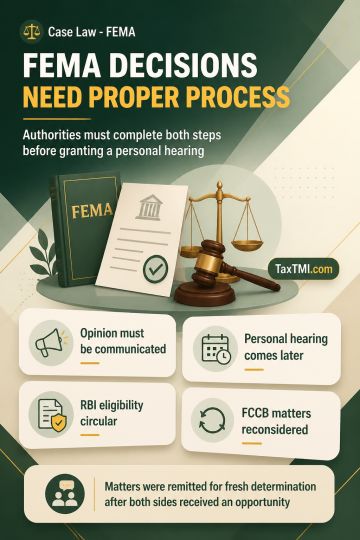
Fraud classification show-cause notices founded on inconclusive forensic audit material cannot sustain action, permitting fresh proceedings on conclus...
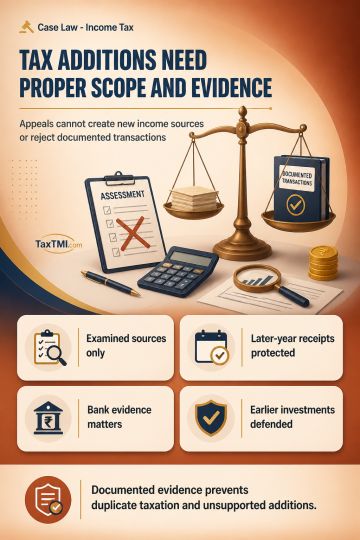
Appellate enhancement limits protect against new income sources, while documented credits and prior-year investments resist unexplained-income additio...
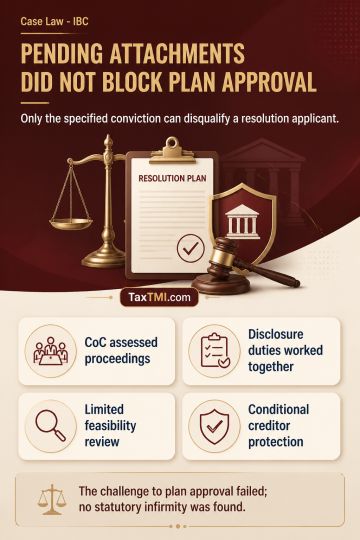
Pending PMLA attachment proceedings do not by themselves disqualify a prospective resolution applicant; disqualification requires the conviction specified under section 29A. Disclosure requirements under Regulation 39(1)(c) operate harmoniously with section 29A, particularly where the CoC knew of, assessed, and deliberated on the proceedings before plan approval. Review of the CoC's commercial assessment of plan feasibility, viability, and implementation remains confined to statutory approval and appeal grounds. A plan may conditionally protect a disputed creditor's position by automatically revising distribution if secured-financial-creditor status is later established. On these grounds, the challenge to plan approval failed, with no statutory infirmity found.
Pending PMLA attachment proceedings do not by themselves disqualify a prospective resolution applicant; disqualification requires the conviction specified under section 29A. Disclosure requirements under Regulation 39(1)(c) operate harmoniously with section 29A, particularly where the CoC knew of, assessed, and deliberated on the proceedings before plan approval. Review of the CoC's commercial assessment of plan feasibility, viability, and implementation remains confined to statutory approval and appeal grounds. A plan may conditionally protect a disputed creditor's position by automatically revising distribution if secured-financial-creditor status is later established. On these grounds, the challenge to plan approval failed, with no statutory infirmity found.
Note: It is a system-generated summary and is for quick reference only.
 TaxTMI
  TaxTMI
 of 4884