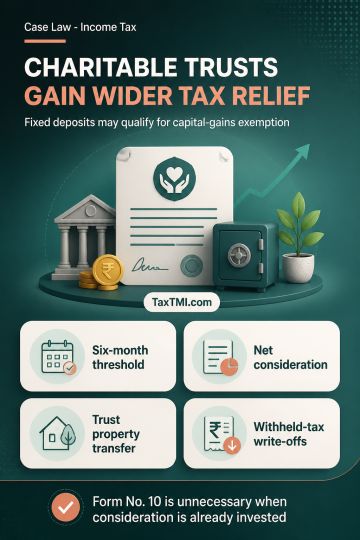
Capital-gains exemption for charitable trusts extends to qualifying fixed deposits, while unrecoverable TDS write-offs may constitute income applicati...
India-UK treaty characterisation of telecom-service receipts as business profits withstands unilateral domestic-law amendments for Indian tax purposes...
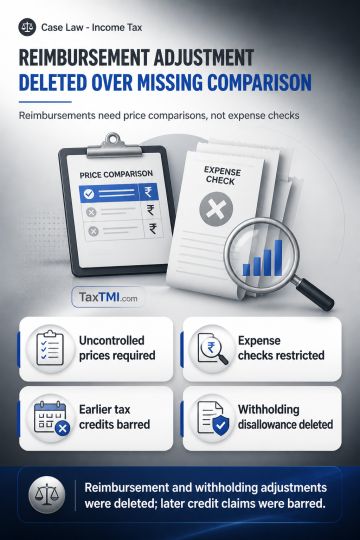
Transfer-pricing reimbursement adjustments require uncontrolled comparables and cannot become expense-genuineness reviews, resulting in deletion of th...
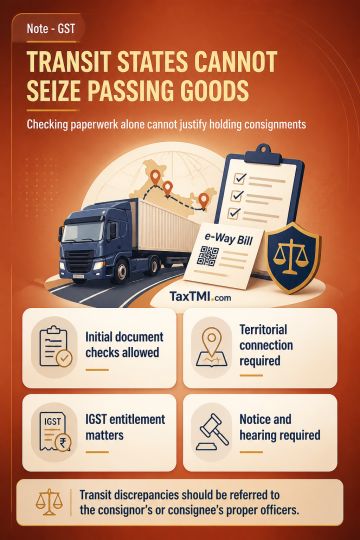
State GST officers may conduct initial document verification of inter-State consignments but cannot detain, seize or confiscate goods merely passing through their State. Cross-empowerment under CGST and IGST laws requires both administrative allocation of the taxpayer to the State and assignment of the relevant proper-officer function; it is not unrestricted authority. Coercive action under Sections 129 and 130 additionally requires territorial and fiscal nexus, including the State's entitlement to IGST apportionment under Section 17. For consignments originating and destined outside the intercepting State, discrepancies should be referred to the consignor's or consignee's proper officers. Confiscation requires statutory grounds, material supporting intent to evade tax where applicable, and notice and hearing; transit checks cannot become valuation assessments.
State GST officers may conduct initial document verification of inter-State consignments but cannot detain, seize or confiscate goods merely passing through their State. Cross-empowerment under CGST and IGST laws requires both administrative allocation of the taxpayer to the State and assignment of the relevant proper-officer function; it is not unrestricted authority. Coercive action under Sections 129 and 130 additionally requires territorial and fiscal nexus, including the State's entitlement to IGST apportionment under Section 17. For consignments originating and destined outside the intercepting State, discrepancies should be referred to the consignor's or consignee's proper officers. Confiscation requires statutory grounds, material supporting intent to evade tax where applicable, and notice and hearing; transit checks cannot become valuation assessments.
Note: It is a system-generated summary and is for quick reference only.
 TaxTMI
  TaxTMI
 of 4886