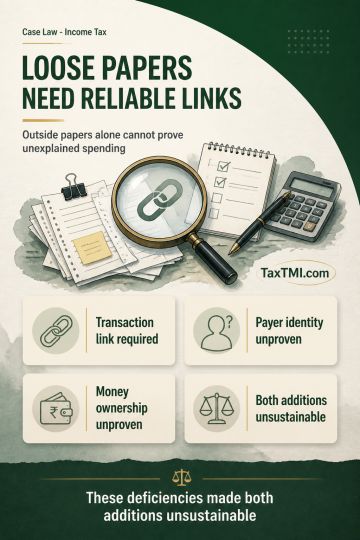
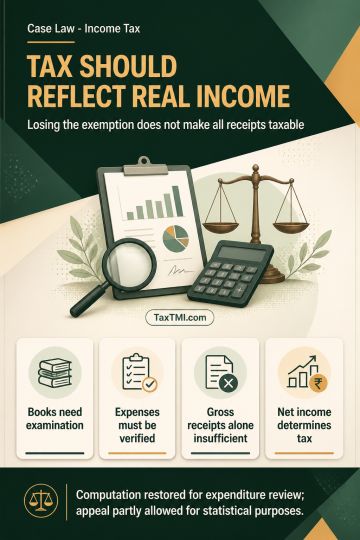
Third-party loose sheets require reliable nexus before supporting unexplained expenditure additions; presumptions do not establish payer identity or o...
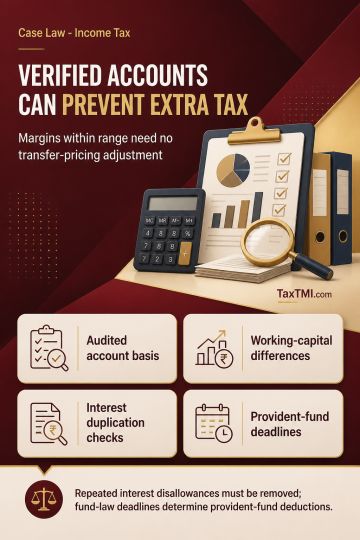
TNMM comparability using audited accounts and working-capital adjustments can eliminate unwarranted transfer-pricing additions where verified margins ...
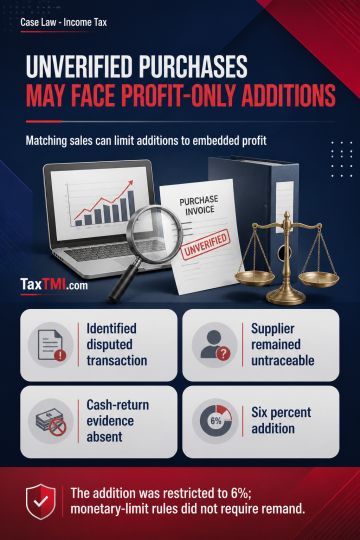
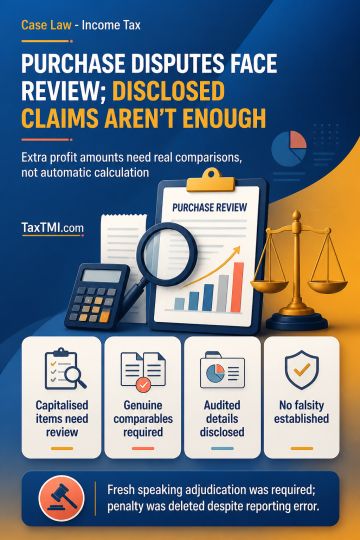
Gross-profit additions on disputed purchases require reasoned appellate determination; disclosed claims alone do not support inaccurate-particulars pe...
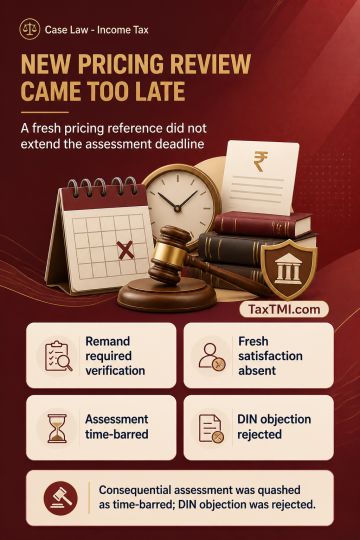
Limitation after transfer-pricing remand: fresh TPO reference did not extend the assessment deadline, rendering the consequential assessment time-barr...
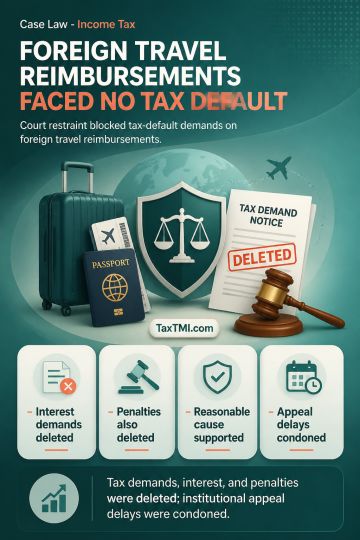
Interim judicial restraint on tax deduction prevents default, while supporting reasonable cause and penalty deletion for foreign-leg LFC reimbursement...
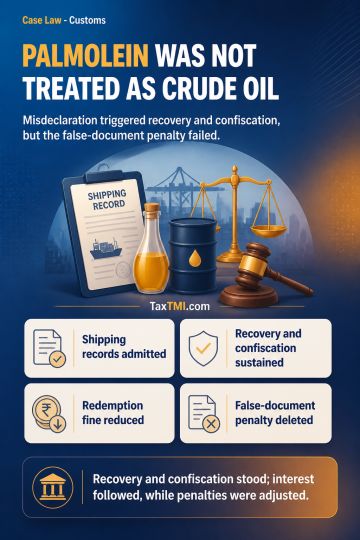
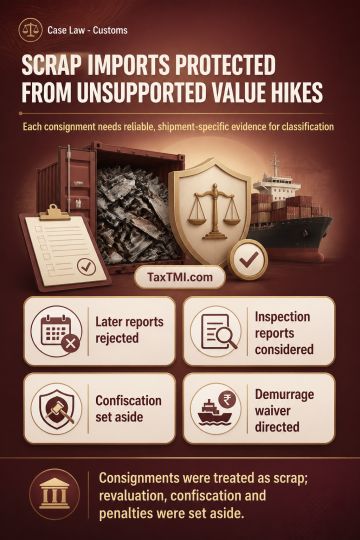
Palmolein classification defeated the crude-oil concession; material misdeclaration sustained recovery and confiscation, while separate false-document...
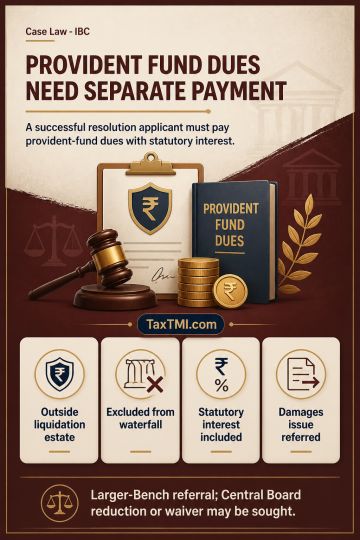
Provident-fund and gratuity dues are excluded from the liquidation estate and cannot be distributed through the insolvency waterfall; a successful resolution applicant must discharge those dues, including statutory interest on arrears. Statutory interest compensates delayed contributions, whereas damages for delay are penal in nature. The expression "may recover" in Section 14B raises whether the authorised officer may decline to impose damages in extenuating circumstances, despite no requirement of mens rea or actus reus; that issue stands referred to a larger Bench. A successful resolution applicant may seek Central Board reduction or waiver of damages, treating resolution-plan implementation as comparable to rehabilitation.
Provident-fund and gratuity dues are excluded from the liquidation estate and cannot be distributed through the insolvency waterfall; a successful resolution applicant must discharge those dues, including statutory interest on arrears. Statutory interest compensates delayed contributions, whereas damages for delay are penal in nature. The expression "may recover" in Section 14B raises whether the authorised officer may decline to impose damages in extenuating circumstances, despite no requirement of mens rea or actus reus; that issue stands referred to a larger Bench. A successful resolution applicant may seek Central Board reduction or waiver of damages, treating resolution-plan implementation as comparable to rehabilitation.
Note: It is a system-generated summary and is for quick reference only.
 TaxTMI
  TaxTMI
 of 4891