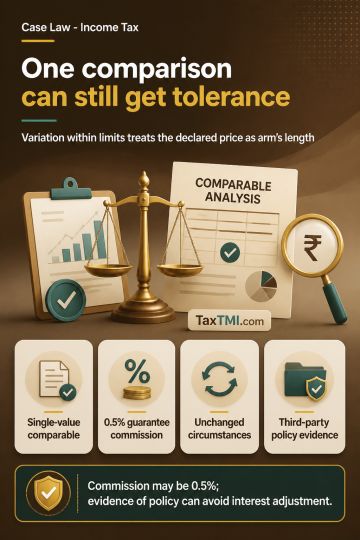
Transfer-pricing aggregation of distinct support-service and subcontract transactions was rejected, while debt-free receivables attracted no notional ...
Customs exemptions cover photovoltaic assembly machinery and PVF backsheets, while fully declared cleared imports may avoid confiscation and penalties...
Specific tariff classification for LCD devices overrides treatment as electricity-meter parts, defeating differential duty, extended limitation, and p...
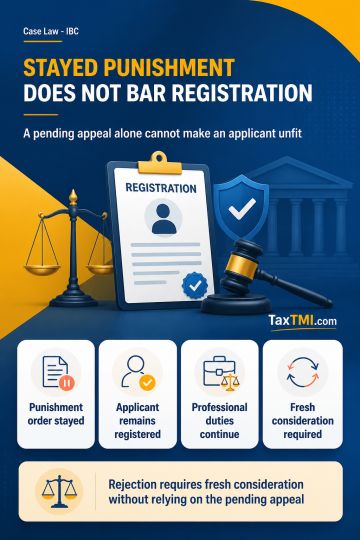
Stayed disciplinary punishment does not establish unfitness for insolvency professional registration; reconsideration must disregard mere pendency of ...
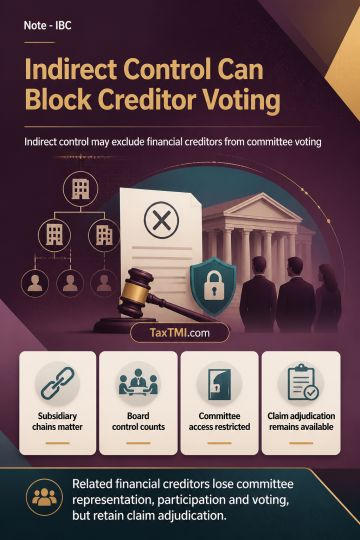
Indirect corporate control can create related-party status, excluding financial creditors from Committee of Creditors representation, participation an...
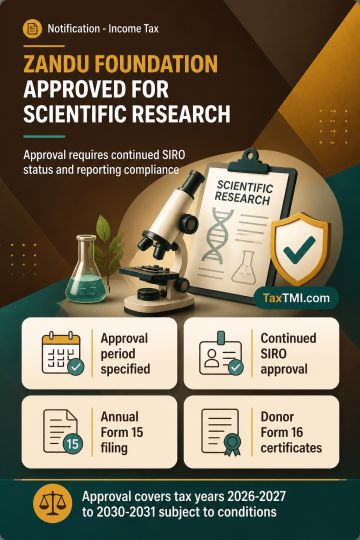
Scientific research association approval requires continuing SIRO status, annual donation reporting, and donor certificates for the approved foundatio...
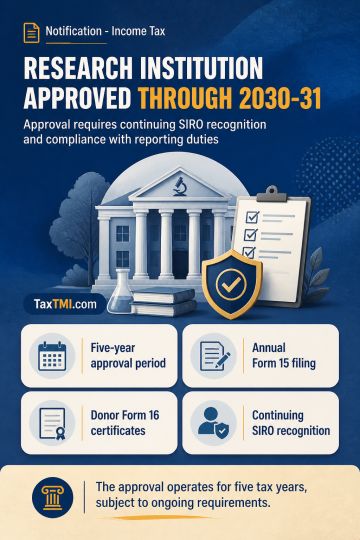
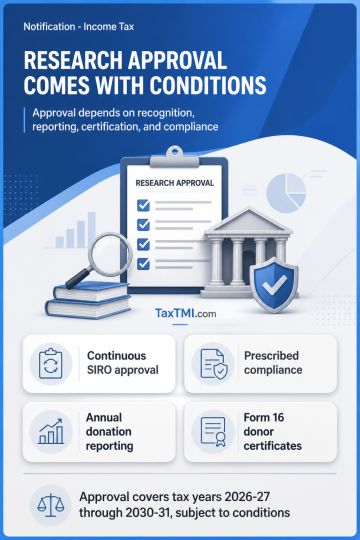
Scientific research institution approval is conditional on SIRO recognition, annual donation reporting, donor certification, and prescribed compliance...
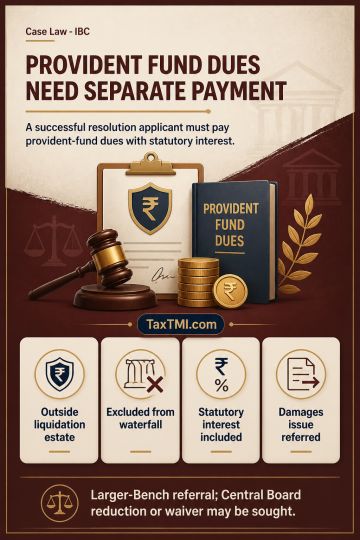
Provident-fund and gratuity dues are excluded from the liquidation estate and cannot be distributed through the insolvency waterfall; a successful resolution applicant must discharge those dues, including statutory interest on arrears. Statutory interest compensates delayed contributions, whereas damages for delay are penal in nature. The expression "may recover" in Section 14B raises whether the authorised officer may decline to impose damages in extenuating circumstances, despite no requirement of mens rea or actus reus; that issue stands referred to a larger Bench. A successful resolution applicant may seek Central Board reduction or waiver of damages, treating resolution-plan implementation as comparable to rehabilitation.
Provident-fund and gratuity dues are excluded from the liquidation estate and cannot be distributed through the insolvency waterfall; a successful resolution applicant must discharge those dues, including statutory interest on arrears. Statutory interest compensates delayed contributions, whereas damages for delay are penal in nature. The expression "may recover" in Section 14B raises whether the authorised officer may decline to impose damages in extenuating circumstances, despite no requirement of mens rea or actus reus; that issue stands referred to a larger Bench. A successful resolution applicant may seek Central Board reduction or waiver of damages, treating resolution-plan implementation as comparable to rehabilitation.
Note: It is a system-generated summary and is for quick reference only.
 TaxTMI
  TaxTMI
 of 4888