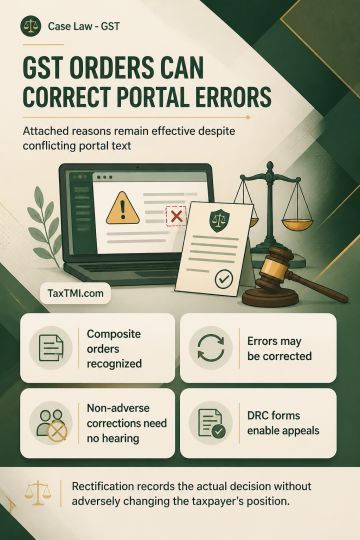
Year-wise GST tax periods make composite show cause notices impermissible, requiring separate proceedings despite contrary non-jurisdictional preceden...
Departmental exoneration does not by itself require discharge, acquittal, or termination of a criminal prosecution because departmental and criminal proceedings are independent, proceed on different evidence, and apply different standards of proof. The High Court therefore upheld refusal to discharge Customs officials accused of facilitating gold smuggling. At the discharge stage, the court must determine whether the prosecution material discloses the alleged offences or creates a strong suspicion warranting trial; mere suspicion is insufficient. As the material prima facie met that threshold, evidentiary evaluation, including alleged illegal gratification, was left for trial. The revision petitions were dismissed and trial was to proceed expeditiously.
Departmental exoneration does not by itself require discharge, acquittal, or termination of a criminal prosecution because departmental and criminal proceedings are independent, proceed on different evidence, and apply different standards of proof. The High Court therefore upheld refusal to discharge Customs officials accused of facilitating gold smuggling. At the discharge stage, the court must determine whether the prosecution material discloses the alleged offences or creates a strong suspicion warranting trial; mere suspicion is insufficient. As the material prima facie met that threshold, evidentiary evaluation, including alleged illegal gratification, was left for trial. The revision petitions were dismissed and trial was to proceed expeditiously.
Note: It is a system-generated summary and is for quick reference only.
 TaxTMI
  TaxTMI