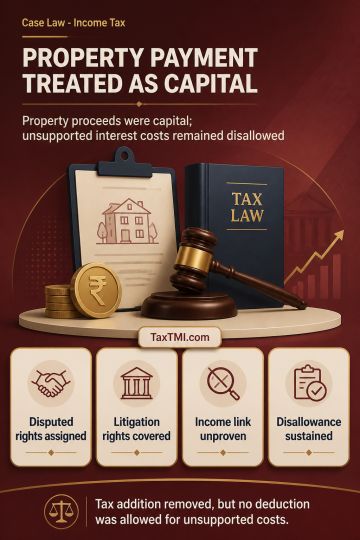
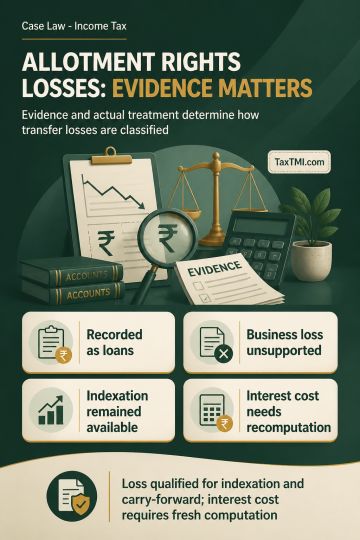
Capital character of assignment consideration prevents taxation as residuary income, while unsupported interest-related expenditure remains non-deduct...
Make-available condition shields regional support-service receipts from Indian taxation where no independent capability or permanent establishment exi...
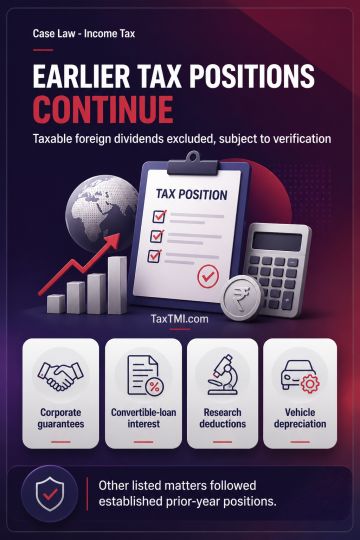
Transfer-pricing treatment of corporate guarantees and convertible loans followed prior-year consistency, with taxable foreign dividends excluded from...
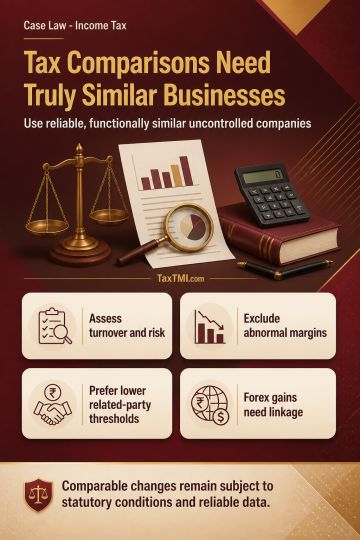
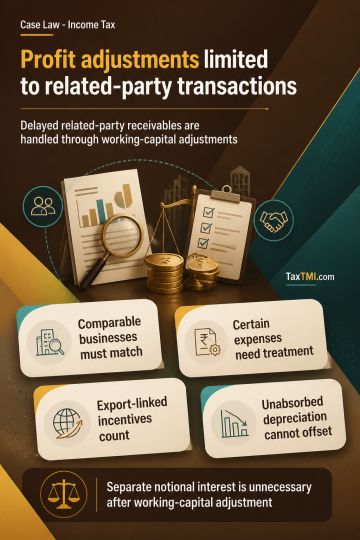
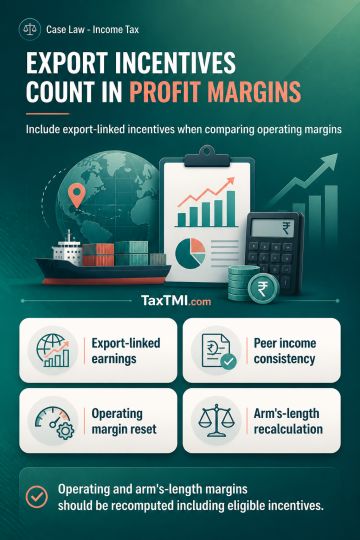
Transfer-pricing benchmarking confines adjustments to associated-enterprise transactions and integrates delayed receivables through TNMM working-capit...
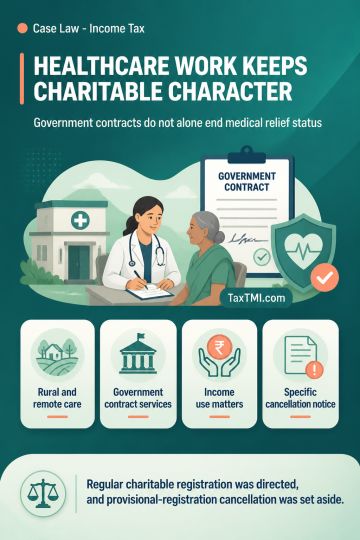
Medical relief status protects government-contracted mobile healthcare from commercial classification, while provisional registration cancellation req...
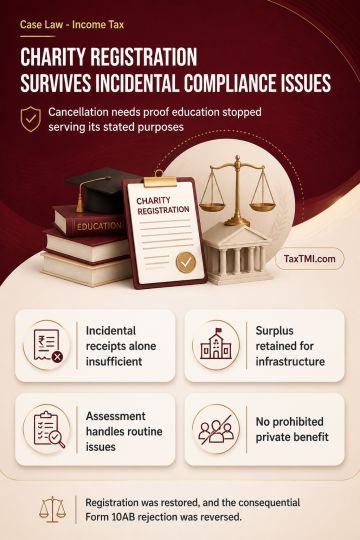
Charitable registration cancellation requires proof that educational activities abandoned their objects; incidental receipts and retained surplus are ...
Prospective customs notification amendments cannot bar provisional release consideration for earlier imports when bills of lading predate their commen...
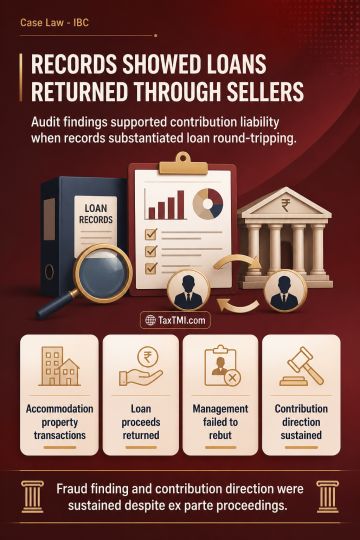
Forensic audit reports are not conclusive proof of fraud, but may support insolvency contribution liability when reliable documentary evidence substantiates their findings. Sale deeds, bank records, sub-registrar records and title-verification material supported findings that property transactions were accommodation arrangements used to raise loans. Loan proceeds substantially returned through sellers to the corporate debtor and related entities, establishing round-tripping intended to defraud creditors. Former management failed to rebut matters within its special knowledge. Ex parte determination remained valid because suspended directors received adequate opportunity to contest the proceedings and did not produce reliable contrary material. The fraudulent-transaction finding and consequential contribution direction were sustained.
Forensic audit reports are not conclusive proof of fraud, but may support insolvency contribution liability when reliable documentary evidence substantiates their findings. Sale deeds, bank records, sub-registrar records and title-verification material supported findings that property transactions were accommodation arrangements used to raise loans. Loan proceeds substantially returned through sellers to the corporate debtor and related entities, establishing round-tripping intended to defraud creditors. Former management failed to rebut matters within its special knowledge. Ex parte determination remained valid because suspended directors received adequate opportunity to contest the proceedings and did not produce reliable contrary material. The fraudulent-transaction finding and consequential contribution direction were sustained.
Note: It is a system-generated summary and is for quick reference only.
 TaxTMI
  TaxTMI
 of 4881