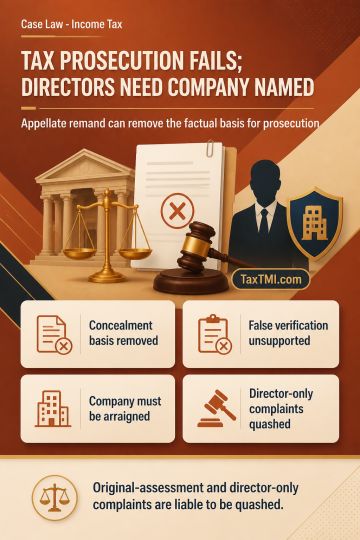
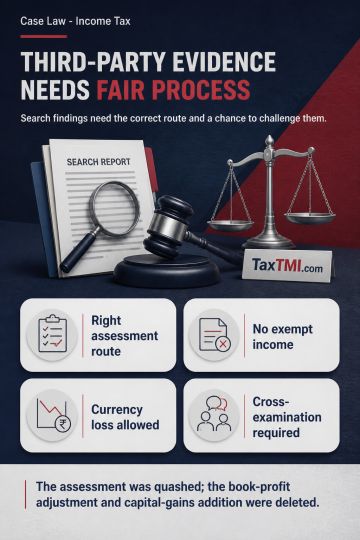
Income-tax prosecution fails when appellate remand removes its factual foundation; directors require company arraignment for vicarious criminal liabil...
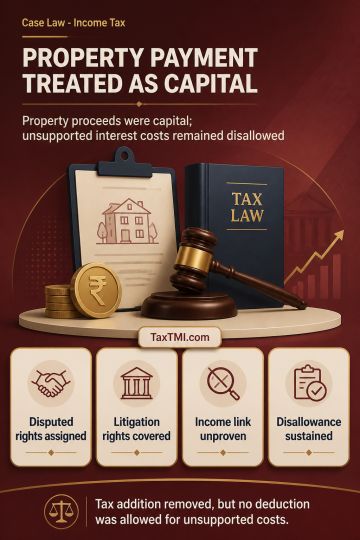
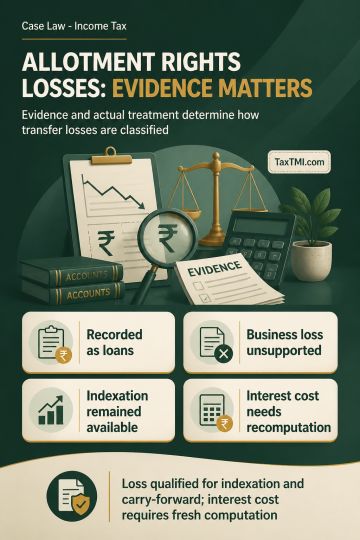
Capital character of assignment consideration prevents taxation as residuary income, while unsupported interest-related expenditure remains non-deduct...
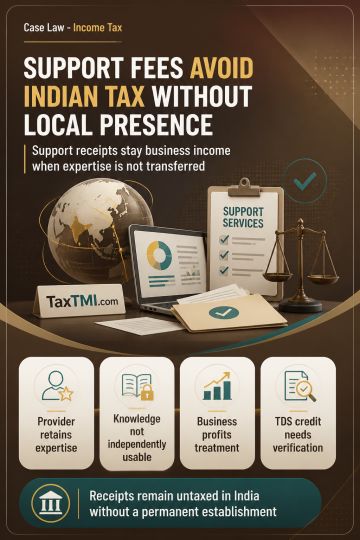
Make-available condition shields regional support-service receipts from Indian taxation where no independent capability or permanent establishment exi...
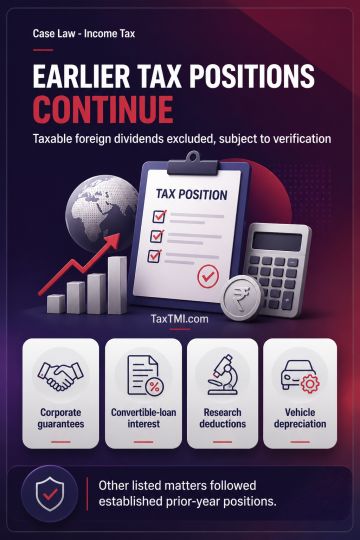
Transfer-pricing treatment of corporate guarantees and convertible loans followed prior-year consistency, with taxable foreign dividends excluded from...
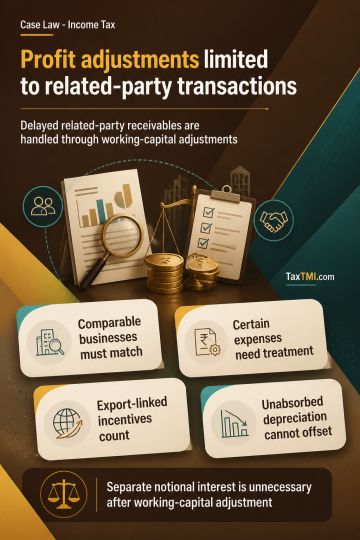
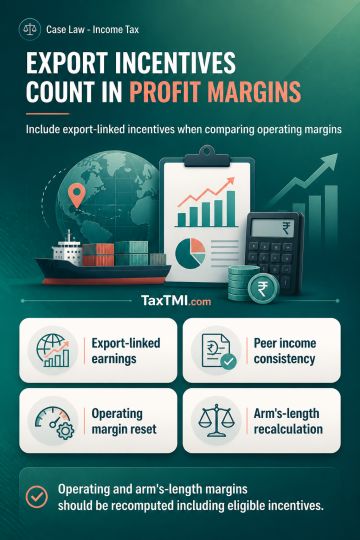
Transfer-pricing benchmarking confines adjustments to associated-enterprise transactions and integrates delayed receivables through TNMM working-capit...
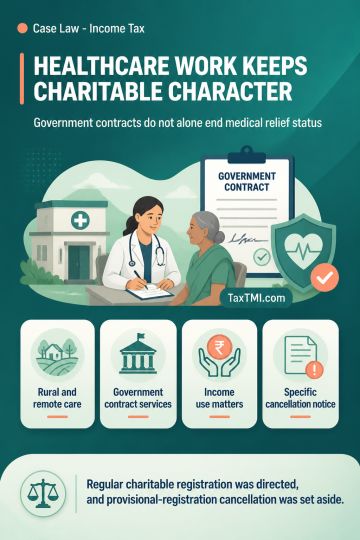
Medical relief status protects government-contracted mobile healthcare from commercial classification, while provisional registration cancellation req...
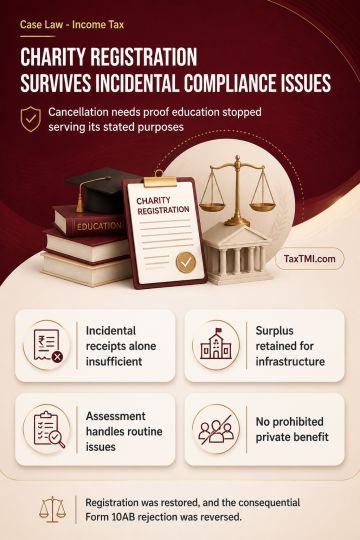
Charitable registration cancellation requires proof that educational activities abandoned their objects; incidental receipts and retained surplus are ...
Valid e-way bill compliance requires Part B to identify the vehicle actually transporting goods. Where a vehicle breaks down and goods are transferred, the movement must be supported by contemporaneous evidence and the e-way bill must be updated or freshly generated before transit. A later e-way bill issued by the purchaser does not cure a vehicle mismatch where the driver holds the supplier's invoice and no contemporaneous material establishes purchaser-led transport. Such discrepancies are not merely technical and can support an inference of intent to evade tax. Penalty proceedings under Section 129 for transport without a valid e-way bill were confirmed.
Valid e-way bill compliance requires Part B to identify the vehicle actually transporting goods. Where a vehicle breaks down and goods are transferred, the movement must be supported by contemporaneous evidence and the e-way bill must be updated or freshly generated before transit. A later e-way bill issued by the purchaser does not cure a vehicle mismatch where the driver holds the supplier's invoice and no contemporaneous material establishes purchaser-led transport. Such discrepancies are not merely technical and can support an inference of intent to evade tax. Penalty proceedings under Section 129 for transport without a valid e-way bill were confirmed.
Note: It is a system-generated summary and is for quick reference only.
 TaxTMI
  TaxTMI
 of 4884