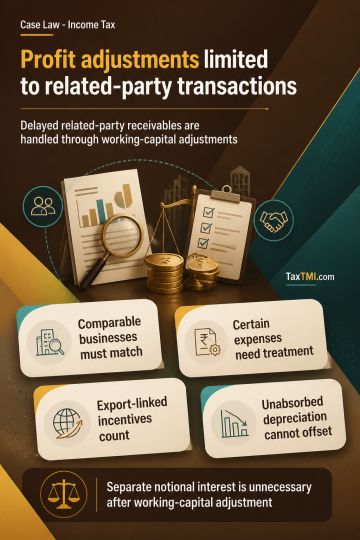
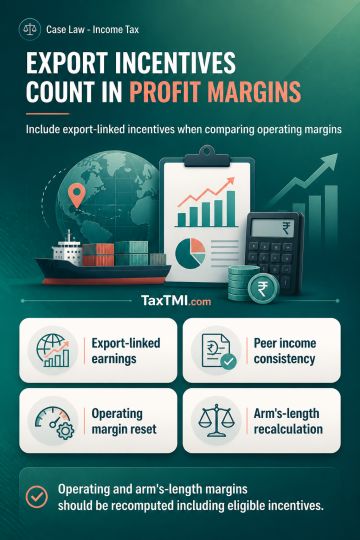
Transfer-pricing benchmarking confines adjustments to associated-enterprise transactions and integrates delayed receivables through TNMM working-capit...
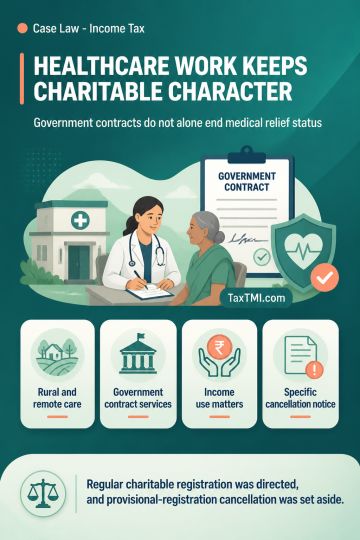
Medical relief status protects government-contracted mobile healthcare from commercial classification, while provisional registration cancellation req...
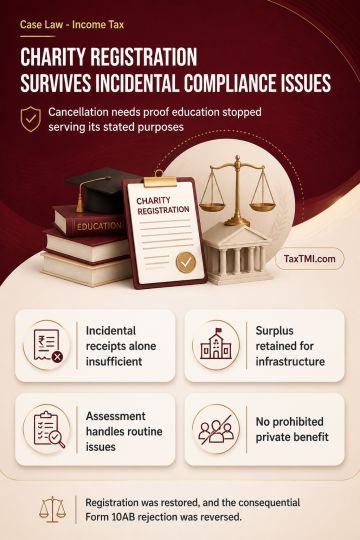
Charitable registration cancellation requires proof that educational activities abandoned their objects; incidental receipts and retained surplus are ...
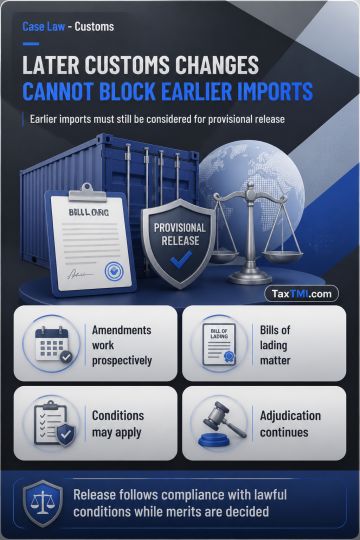
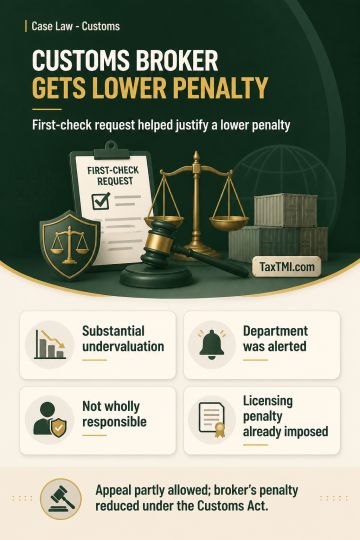
Prospective customs notification amendments cannot bar provisional release consideration for earlier imports when bills of lading predate their commen...
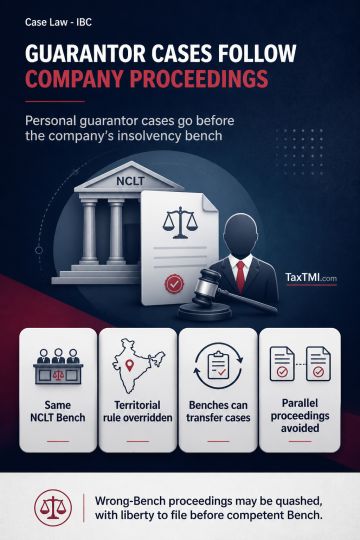
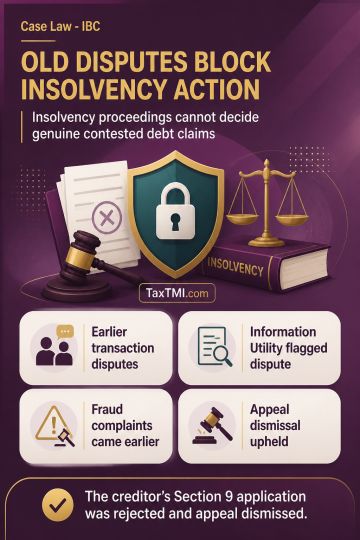
Personal guarantor insolvency jurisdiction follows the corporate debtor's CIRP Bench, enabling inter-territorial transfer and preventing parallel proc...
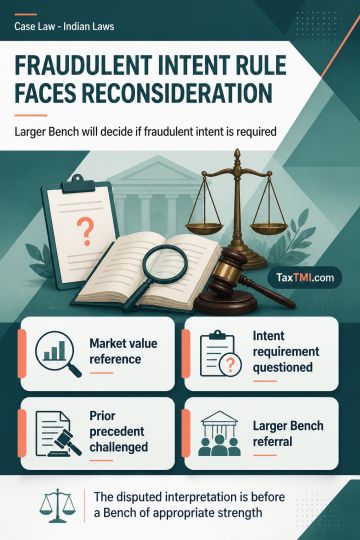
Section 47-A undervaluation threshold: fraudulent intent requirement faces reconsideration after referral to a larger Bench for authoritative resoluti...
Page of 4888
Press 'Enter' after typing page number.
1041 to 1060 of 97750 Results
❮
❯
❯❯
0 / 200
Expand Note
Add to Folder
No Folders have been created
+
Are you sure you want to delete "My most important" ?
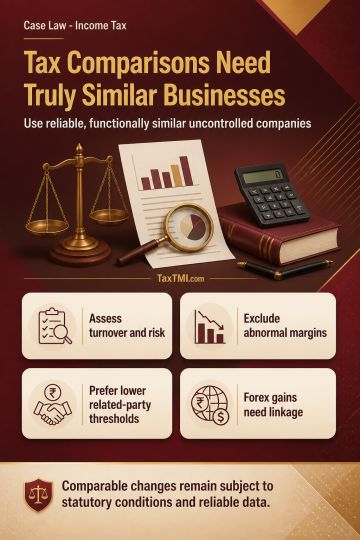
Transfer-pricing comparability must meet statutory requirements; taxpayer-selected comparables cannot be replaced merely with a standard departmental set. Functional dissimilarity, abnormal margins, turnover, contractual risk profile and related-party transactions may justify exclusion, with a lower related-party threshold preferred where adequate uncontrolled comparables exist. Foreign-exchange gains or losses are operating items only when directly linked to the relevant international transaction. Reliable subsequently available data may support appellate-stage comparable changes, subject to statutory conditions. The prescribed variation is a tolerance range, not a standard deduction. Working-capital adjustment addresses material margin differences rather than selecting comparables. Comparable-selection burdens rest on the party making the relevant assertion, and cross-objections are unavailable in appeals under section 260A.
Transfer-pricing comparability must meet statutory requirements; taxpayer-selected comparables cannot be replaced merely with a standard departmental set. Functional dissimilarity, abnormal margins, turnover, contractual risk profile and related-party transactions may justify exclusion, with a lower related-party threshold preferred where adequate uncontrolled comparables exist. Foreign-exchange gains or losses are operating items only when directly linked to the relevant international transaction. Reliable subsequently available data may support appellate-stage comparable changes, subject to statutory conditions. The prescribed variation is a tolerance range, not a standard deduction. Working-capital adjustment addresses material margin differences rather than selecting comparables. Comparable-selection burdens rest on the party making the relevant assertion, and cross-objections are unavailable in appeals under section 260A.
Note: It is a system-generated summary and is for quick reference only.
 TaxTMI
  TaxTMI
 of 4888