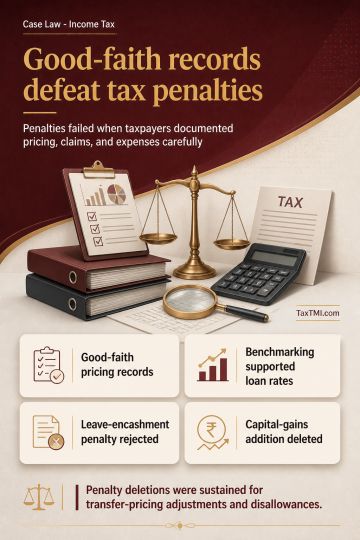
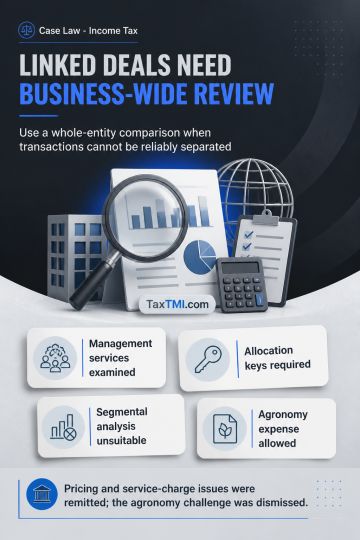
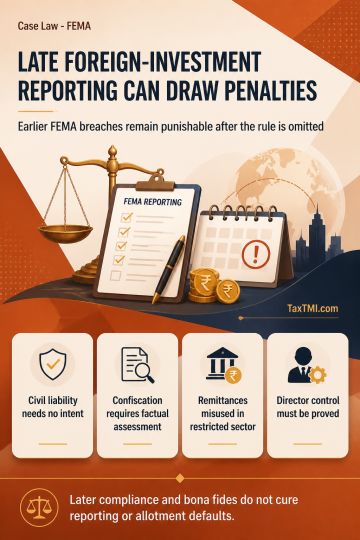
Inaccurate-particulars penalties fail where transfer-pricing documentation shows good faith and due diligence, and underlying capital-gains additions ...
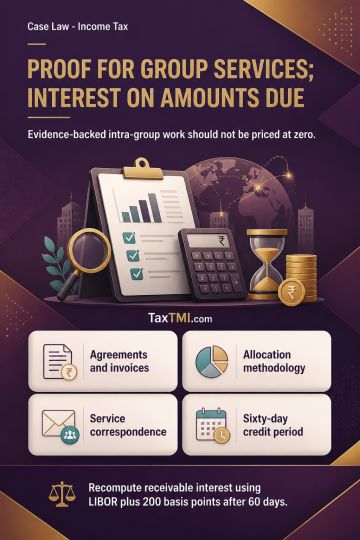
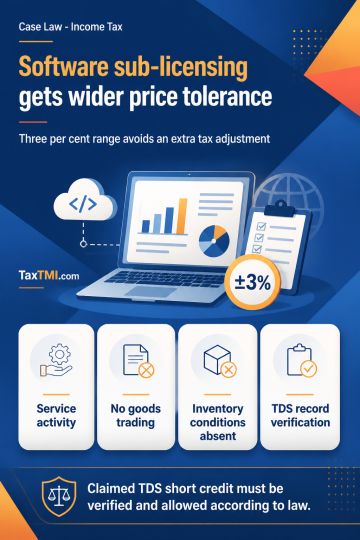
Transfer-pricing tolerance for software sub-licensing falls within the services range, eliminating the adjustment and requiring TDS-credit verificatio...
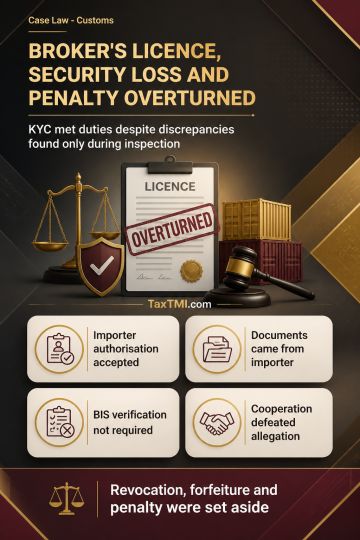
Customs Broker due diligence requires prescribed KYC, not detecting misdeclarations discoverable only through physical examination, defeating licence ...
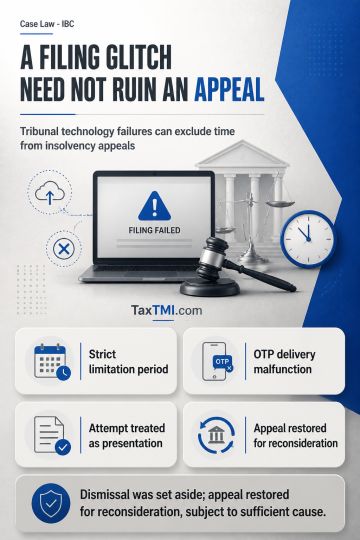
E-filing system failure permits exclusion of affected time in insolvency appeals, preventing tribunal technology defects from defeating timely filings...
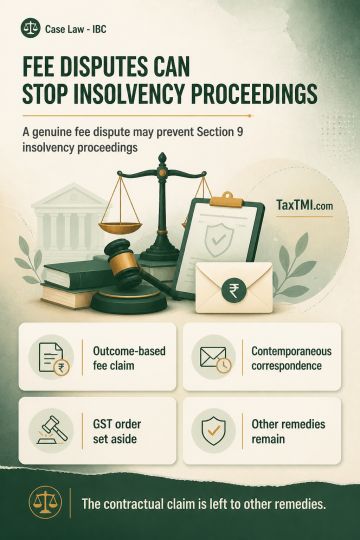
Pre-existing disputes over outcome-based professional fees can bar Section 9 insolvency proceedings where contractual entitlement requires investigati...
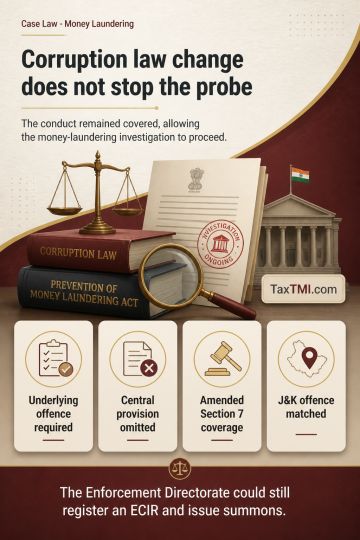
Corresponding scheduled offences preserve money-laundering jurisdiction despite repeal of the central corruption provision where conduct remains cover...
Page of 4888
Press 'Enter' after typing page number.
741 to 760 of 97755 Results
❮
❯
❯❯
0 / 200
Expand Note
Add to Folder
No Folders have been created
+
Are you sure you want to delete "My most important" ?
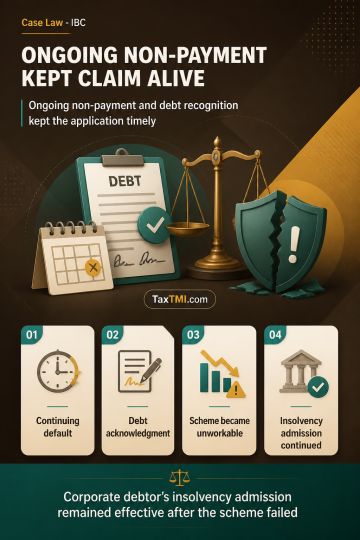
Continuing failure to deliver possession of an allotted unit or refund amounts received constituted a continuing default, creating a continuing cause of action for a financial creditor's insolvency application. Inclusion of the creditor's claim in a settlement scheme operated as an acknowledgment of debt, preventing the claim from being treated as time-barred. The application therefore remained within limitation. Once the revival scheme was declared unworkable and parties were permitted to revive insolvency proceedings, objections based on the scheme's subsistence and parallel proceedings no longer survived. The corporate debtor's admission into insolvency consequently remained effective.
Continuing failure to deliver possession of an allotted unit or refund amounts received constituted a continuing default, creating a continuing cause of action for a financial creditor's insolvency application. Inclusion of the creditor's claim in a settlement scheme operated as an acknowledgment of debt, preventing the claim from being treated as time-barred. The application therefore remained within limitation. Once the revival scheme was declared unworkable and parties were permitted to revive insolvency proceedings, objections based on the scheme's subsistence and parallel proceedings no longer survived. The corporate debtor's admission into insolvency consequently remained effective.
Note: It is a system-generated summary and is for quick reference only.
 TaxTMI
  TaxTMI
 of 4888