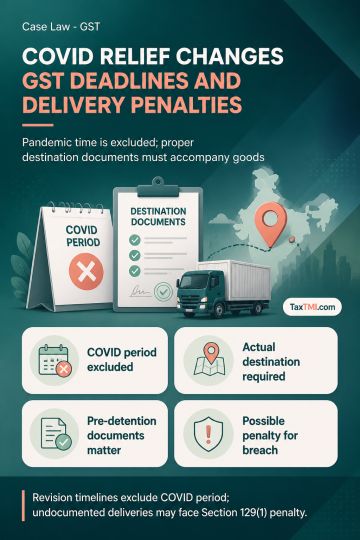
COVID-19 limitation exclusion and destination-specific e-way bills govern revisional timelines and penalties for undocumented third-party plywood deli...
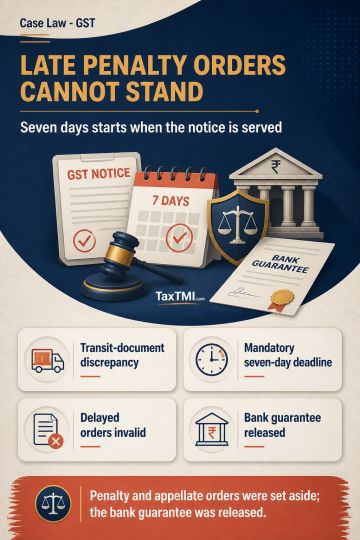
Questions arising from miscellaneous application orders cannot challenge unaltered Tribunal findings, leaving the original order separately challengea...
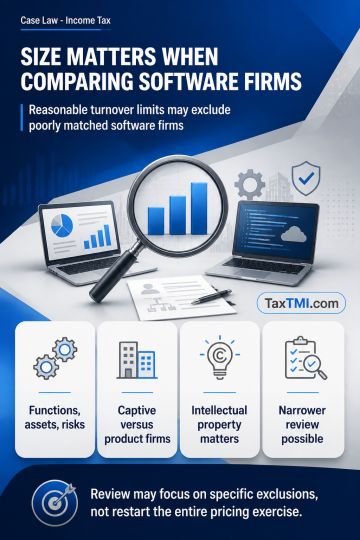
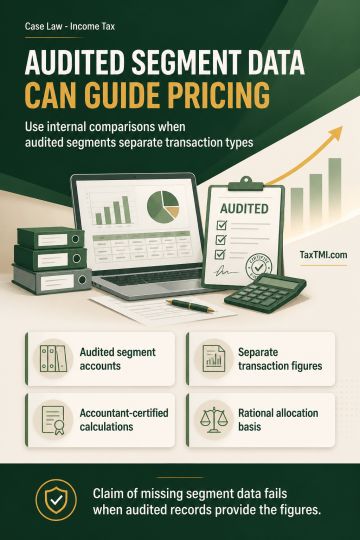
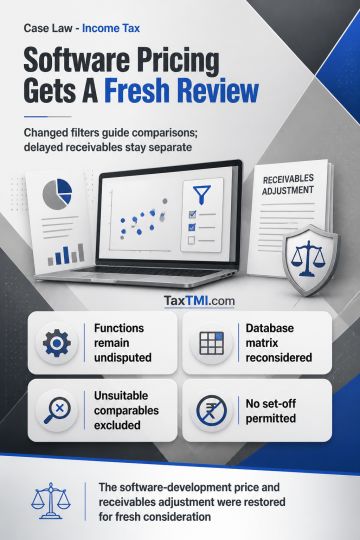
Transfer-pricing comparability filters require fresh arm's-length analysis, while delayed receivables need separate reconsideration with working-capit...
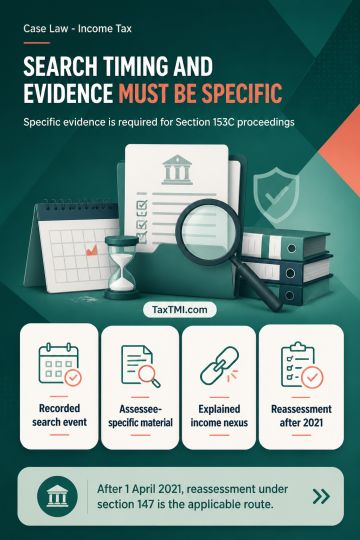
Section 153C jurisdiction requires timely deemed search and assessee-specific satisfaction material; otherwise reassessment must use the proper statut...
Page of 4891
Press 'Enter' after typing page number.
681 to 700 of 97820 Results
❮
❯
❯❯
0 / 200
Expand Note
Add to Folder
No Folders have been created
+
Are you sure you want to delete "My most important" ?
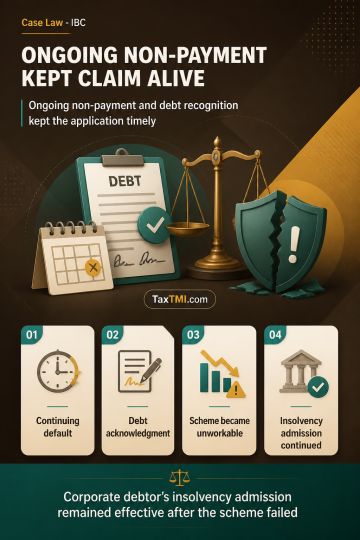
Continuing failure to deliver possession of an allotted unit or refund amounts received constituted a continuing default, creating a continuing cause of action for a financial creditor's insolvency application. Inclusion of the creditor's claim in a settlement scheme operated as an acknowledgment of debt, preventing the claim from being treated as time-barred. The application therefore remained within limitation. Once the revival scheme was declared unworkable and parties were permitted to revive insolvency proceedings, objections based on the scheme's subsistence and parallel proceedings no longer survived. The corporate debtor's admission into insolvency consequently remained effective.
Continuing failure to deliver possession of an allotted unit or refund amounts received constituted a continuing default, creating a continuing cause of action for a financial creditor's insolvency application. Inclusion of the creditor's claim in a settlement scheme operated as an acknowledgment of debt, preventing the claim from being treated as time-barred. The application therefore remained within limitation. Once the revival scheme was declared unworkable and parties were permitted to revive insolvency proceedings, objections based on the scheme's subsistence and parallel proceedings no longer survived. The corporate debtor's admission into insolvency consequently remained effective.
Note: It is a system-generated summary and is for quick reference only.
 TaxTMI
  TaxTMI
 of 4891