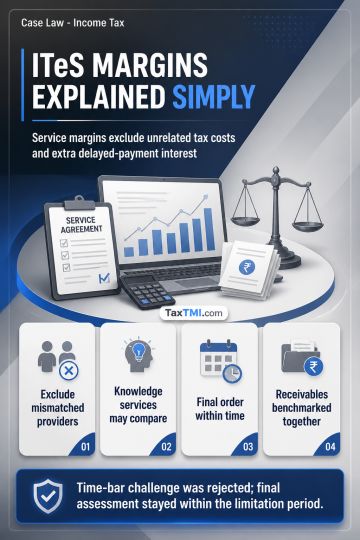
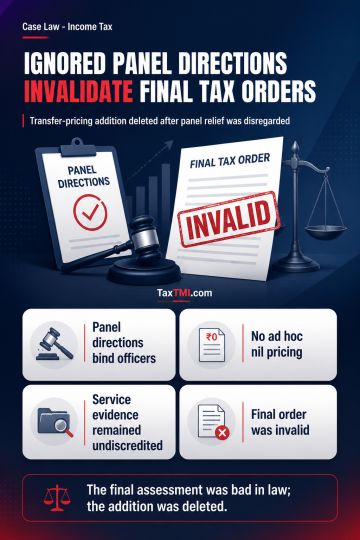
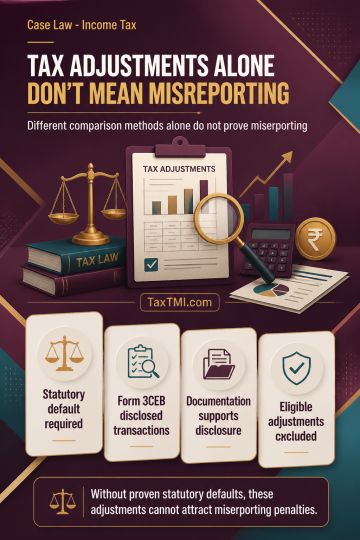
Transfer-pricing treatment of ITeS margins excludes pass-through tax recoveries and separate delayed-receivables interest after working-capital adjust...
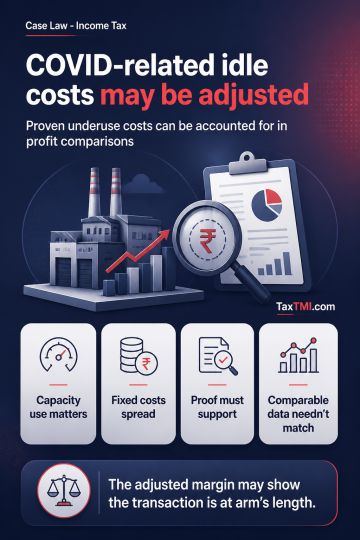
Capacity-utilisation adjustments under TNMM can neutralise substantiated COVID-related idle costs where underutilisation materially affects profitabil...
TNMM functional comparability requires excluding rice manufacturers from a pure Basmati rice trader's benchmark and recognising operating export recei...
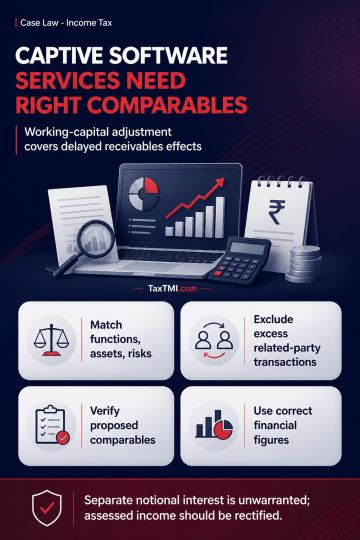
Working-capital adjustment subsumes delayed-receivable effects in TNMM benchmarking of captive software-development services, avoiding separate notion...
Transfer-pricing comparability requires exclusion of financially illogical super-profit comparables and correction of unsupported annual-report and ma...
Charitable character assessment preserves Section 80G approval despite inclusive spiritual teachings and incidental religious expenditure within the s...
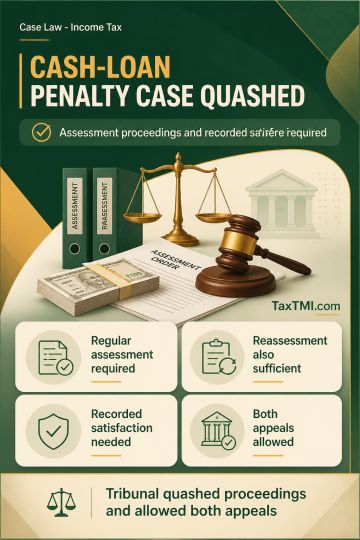
Penalty proceedings for cash-loan acceptance require assessment proceedings and recorded Assessing Officer satisfaction; absent these, the proceedings...
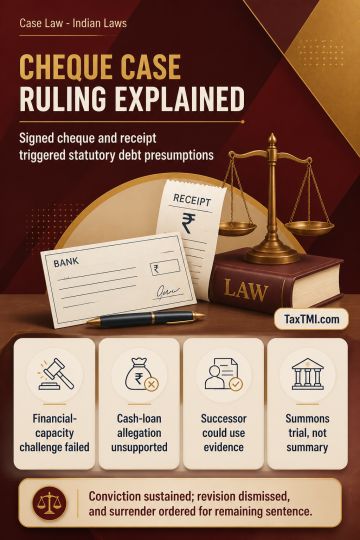
Admission of cheque execution and signatures on the cheque and money receipt triggered the presumptions of consideration and legally enforceable debt under the Negotiable Instruments Act. Questions concerning the complainant's financial capacity and an alleged breach of income-tax rules on cash loans did not rebut those presumptions without cogent and reliable evidence. The cheque-dishonour conviction was therefore sustained. A succeeding Magistrate could decide the matter on evidence recorded by the predecessor because the prosecution proceeded as a summons trial, not a summary trial; the statutory restriction on successor Magistrates was consequently inapplicable. The criminal revision was dismissed, and surrender was directed for the remaining sentence.
Admission of cheque execution and signatures on the cheque and money receipt triggered the presumptions of consideration and legally enforceable debt under the Negotiable Instruments Act. Questions concerning the complainant's financial capacity and an alleged breach of income-tax rules on cash loans did not rebut those presumptions without cogent and reliable evidence. The cheque-dishonour conviction was therefore sustained. A succeeding Magistrate could decide the matter on evidence recorded by the predecessor because the prosecution proceeded as a summons trial, not a summary trial; the statutory restriction on successor Magistrates was consequently inapplicable. The criminal revision was dismissed, and surrender was directed for the remaining sentence.
Note: It is a system-generated summary and is for quick reference only.
 TaxTMI
  TaxTMI
 of 4888