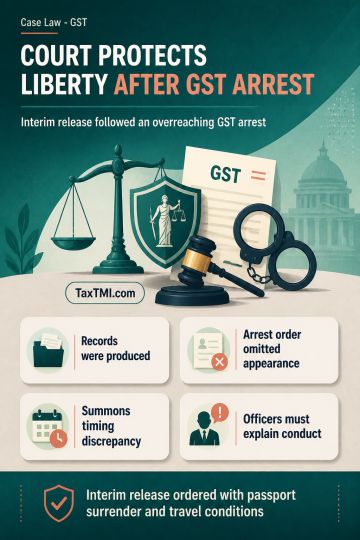
Personal liberty safeguards restrict arrest after court-directed GST appearance, requiring interim release where authorities overreach pending proceed...
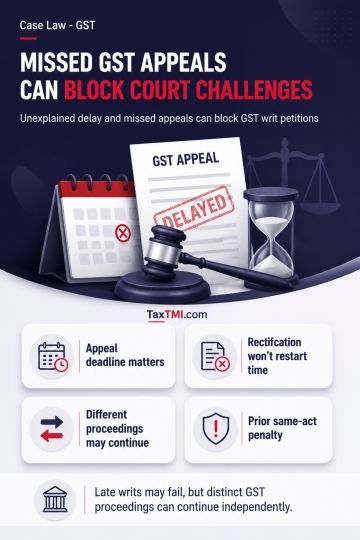
Alternative statutory remedy and delay bar GST writ challenges despite pending rectification, while distinct subject matter permits parallel proceedin...
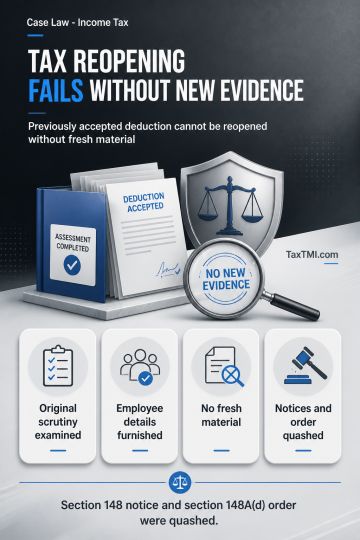
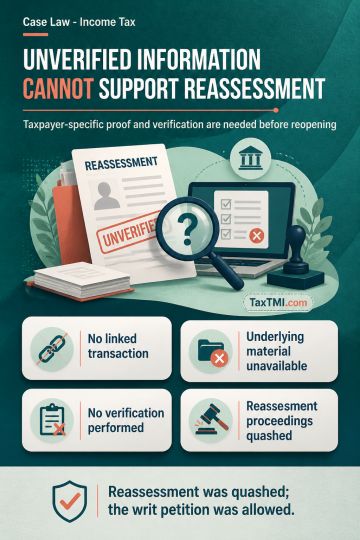
Unverified Insight Portal Information Cannot Justify Reassessment Without a Verified Taxpayer-Specific Income-Escape Nexus or Demonstrated Application...
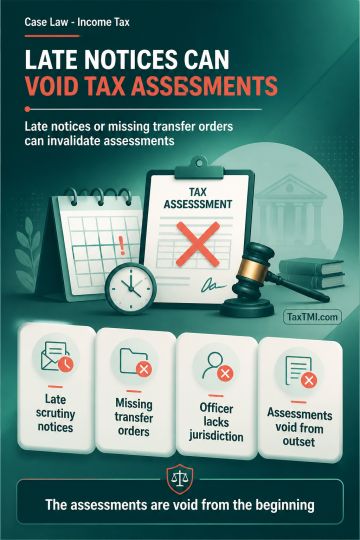
Assessing Officer jurisdiction after statutory transfer invalidates reassessment notices issued by transferor officers and nullifies resulting proceed...
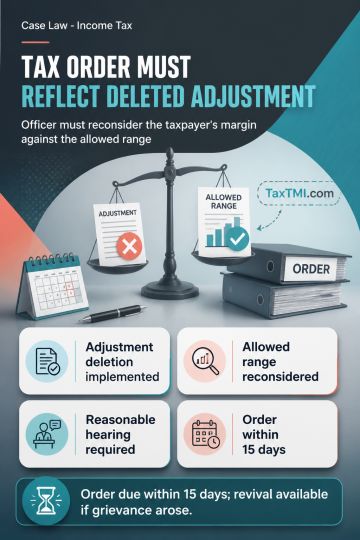
Consequential appeal-effect orders must implement rectification deleting working-capital adjustments and reconsider the resulting arm's-length range c...
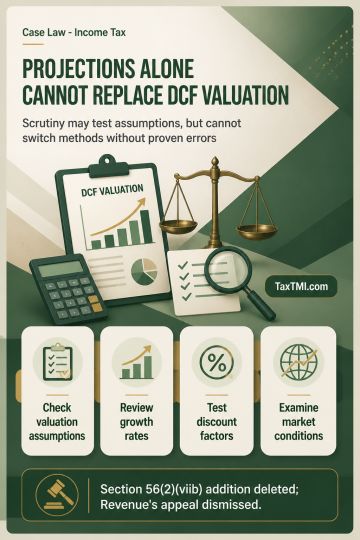
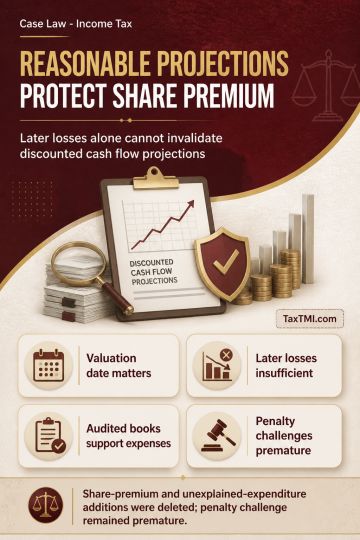
Discounted cash flow valuation protects share premium where projections are reasonable, while audited book expenses defeat unexplained-expenditure add...
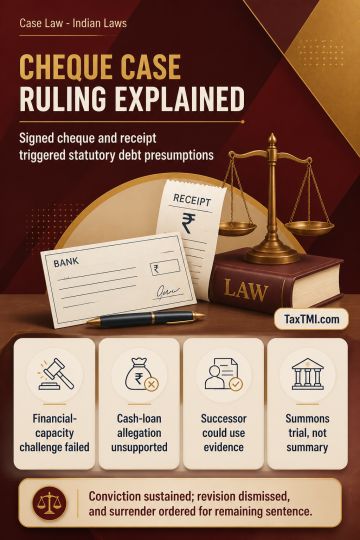
Admission of cheque execution and signatures on the cheque and money receipt triggered the presumptions of consideration and legally enforceable debt under the Negotiable Instruments Act. Questions concerning the complainant's financial capacity and an alleged breach of income-tax rules on cash loans did not rebut those presumptions without cogent and reliable evidence. The cheque-dishonour conviction was therefore sustained. A succeeding Magistrate could decide the matter on evidence recorded by the predecessor because the prosecution proceeded as a summons trial, not a summary trial; the statutory restriction on successor Magistrates was consequently inapplicable. The criminal revision was dismissed, and surrender was directed for the remaining sentence.
Admission of cheque execution and signatures on the cheque and money receipt triggered the presumptions of consideration and legally enforceable debt under the Negotiable Instruments Act. Questions concerning the complainant's financial capacity and an alleged breach of income-tax rules on cash loans did not rebut those presumptions without cogent and reliable evidence. The cheque-dishonour conviction was therefore sustained. A succeeding Magistrate could decide the matter on evidence recorded by the predecessor because the prosecution proceeded as a summons trial, not a summary trial; the statutory restriction on successor Magistrates was consequently inapplicable. The criminal revision was dismissed, and surrender was directed for the remaining sentence.
Note: It is a system-generated summary and is for quick reference only.
 TaxTMI
  TaxTMI
 of 4897