Customs Broker due diligence requires prescribed KYC, not detecting misdeclarations discoverable only through physical examination, defeating licence ...
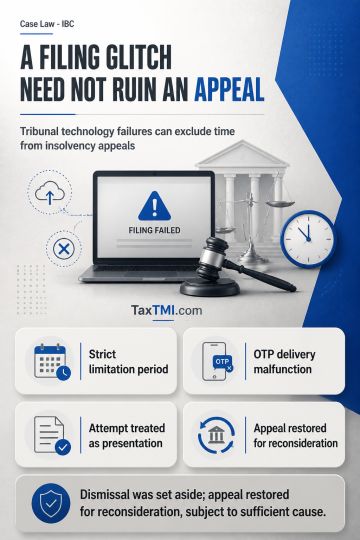
E-filing system failure permits exclusion of affected time in insolvency appeals, preventing tribunal technology defects from defeating timely filings...
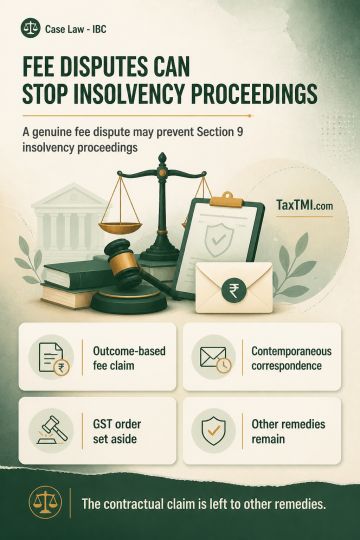
Pre-existing disputes over outcome-based professional fees can bar Section 9 insolvency proceedings where contractual entitlement requires investigati...
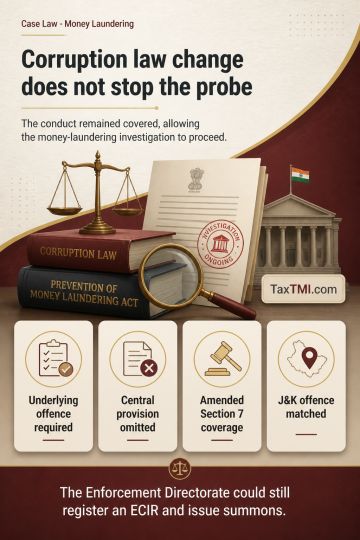
Corresponding scheduled offences preserve money-laundering jurisdiction despite repeal of the central corruption provision where conduct remains cover...
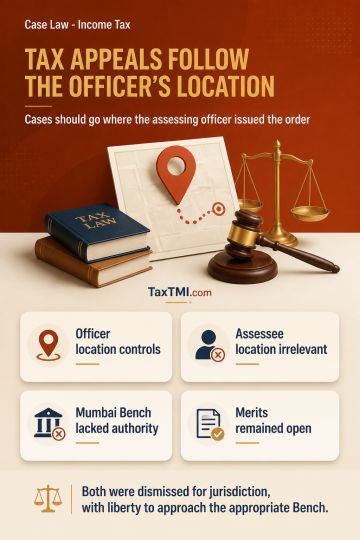
ITAT ordinary territorial jurisdiction is determined by the location of the Assessing Officer who issued the assessment order, rather than the assessee's location or that of the Commissioner (Appeals). The President's procedural rule-making power does not extend to transferring a pending appeal between Benches situated in different States. Where the assessment order originated from an Assessing Officer at Chennai, the Mumbai Bench lacked jurisdiction over both the Revenue's appeal and the assessee's related cross-objection. Both were dismissed for want of territorial jurisdiction, with liberty to approach the appropriate Bench; merits remained open.
ITAT ordinary territorial jurisdiction is determined by the location of the Assessing Officer who issued the assessment order, rather than the assessee's location or that of the Commissioner (Appeals). The President's procedural rule-making power does not extend to transferring a pending appeal between Benches situated in different States. Where the assessment order originated from an Assessing Officer at Chennai, the Mumbai Bench lacked jurisdiction over both the Revenue's appeal and the assessee's related cross-objection. Both were dismissed for want of territorial jurisdiction, with liberty to approach the appropriate Bench; merits remained open.
Note: It is a system-generated summary and is for quick reference only.
 TaxTMI
  TaxTMI
 of 4886