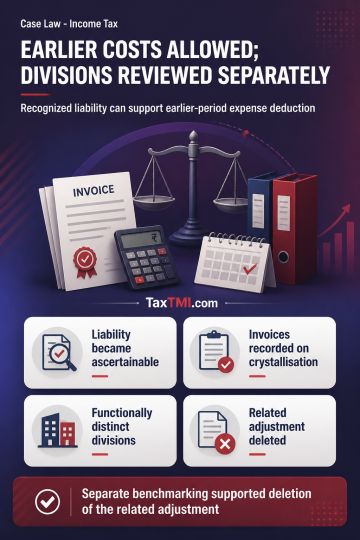
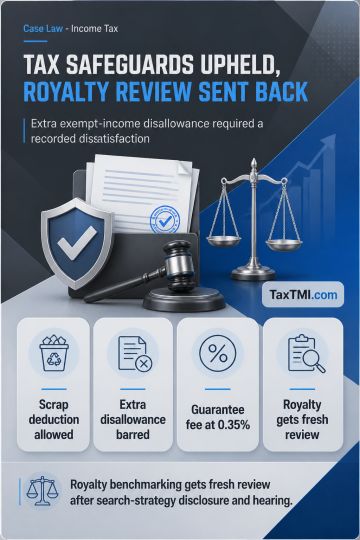
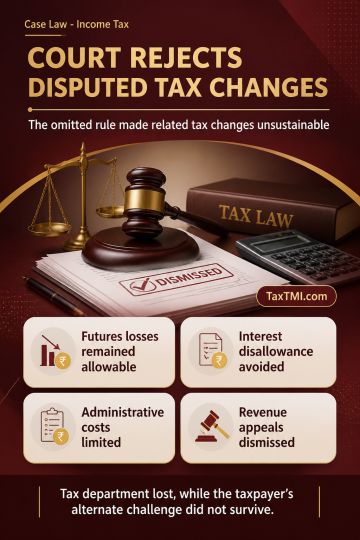
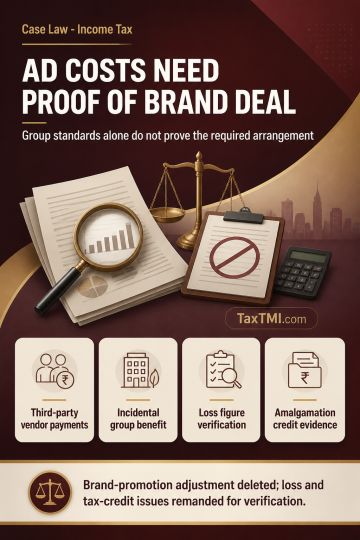
Crystallisation of liability supports prior-period expense deduction, while functionally distinct divisions require separate transfer-pricing benchmar...
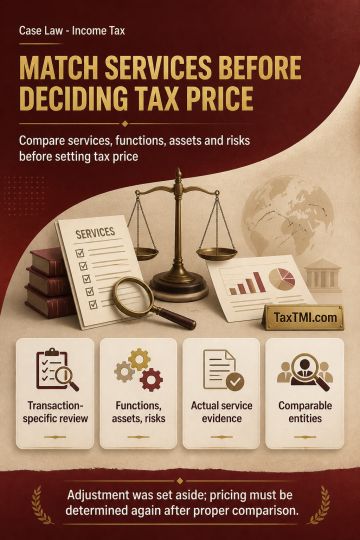
Functional comparability under TNMM requires transaction-specific FAR analysis before benchmarking business-support services provided to associated en...
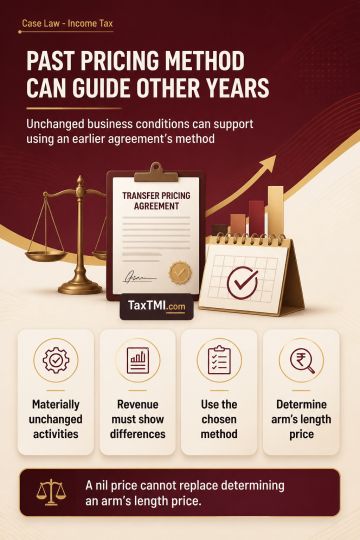
Advance pricing agreement methodology can guide benchmarking for non-covered years when functions, assets, risks and activities remain materially unch...
Tax-audit exemption for substantially State-funded educational universities prevents audit-failure penalties where income qualifies for statutory exem...
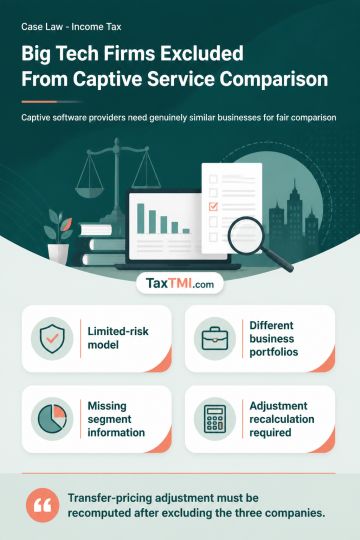
Functional, asset and risk analysis excludes diversified technology companies from captive software development comparables under cost-plus arrangemen...
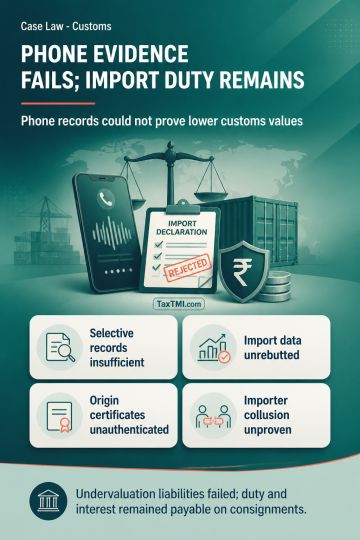
Mobile-phone electronic evidence failed to establish customs undervaluation, while duty survived on non-authentic origin certificates without importer...
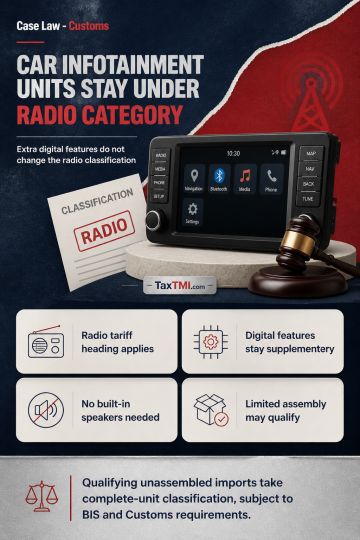
Automotive radio classification treats integrated infotainment features as supplementary, placing complete and qualifying unassembled units under the ...
For foreign-marked gold, the reverse burden applies once the statutory conditions are met, requiring specific, credible and traceable evidence linking lawful acquisition to the seized articles. General business records and GST invoices that do not correspond to the seized gold, explain its foreign markings, or reconcile with relevant accounts do not discharge that burden; confiscation of the gold was therefore justified. For silver bullion, the burden does not shift without reasonable belief of smuggling, supported by a nexus beyond stock discrepancies; relief from confiscation was sustained. Cash may be confiscated as sale proceeds only on cogent evidence linking it to smuggled goods, not suspicion. Penalties were correspondingly reduced to 50 per cent.
For foreign-marked gold, the reverse burden applies once the statutory conditions are met, requiring specific, credible and traceable evidence linking lawful acquisition to the seized articles. General business records and GST invoices that do not correspond to the seized gold, explain its foreign markings, or reconcile with relevant accounts do not discharge that burden; confiscation of the gold was therefore justified. For silver bullion, the burden does not shift without reasonable belief of smuggling, supported by a nexus beyond stock discrepancies; relief from confiscation was sustained. Cash may be confiscated as sale proceeds only on cogent evidence linking it to smuggled goods, not suspicion. Penalties were correspondingly reduced to 50 per cent.
Note: It is a system-generated summary and is for quick reference only.
 TaxTMI
 TaxTMI

 of 4932