Make-available condition shields regional support-service receipts from Indian taxation where no independent capability or permanent establishment exi...
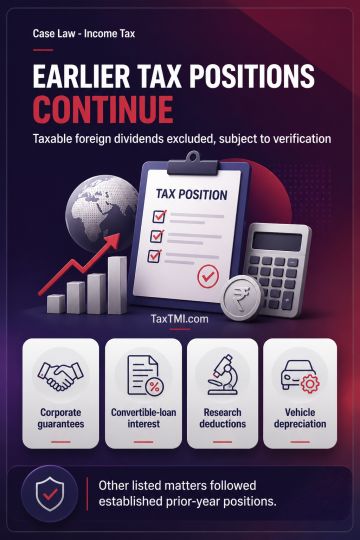
Transfer-pricing treatment of corporate guarantees and convertible loans followed prior-year consistency, with taxable foreign dividends excluded from...
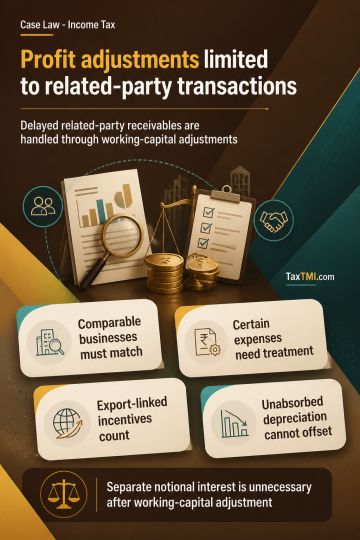
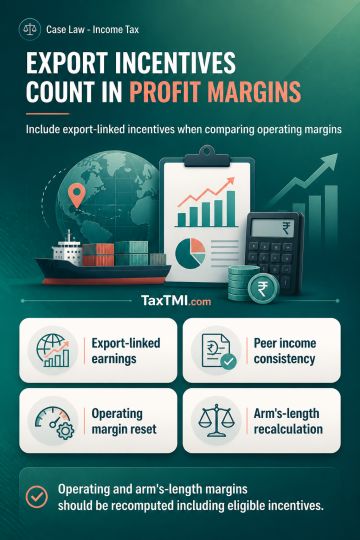
Transfer-pricing benchmarking confines adjustments to associated-enterprise transactions and integrates delayed receivables through TNMM working-capit...
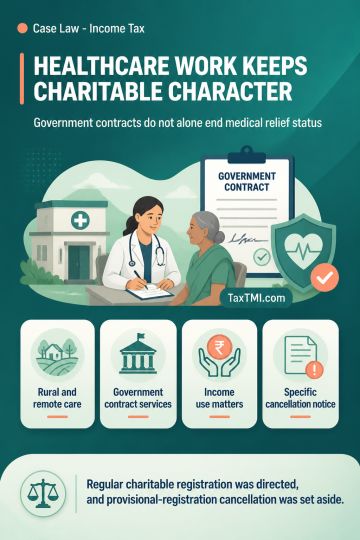
Medical relief status protects government-contracted mobile healthcare from commercial classification, while provisional registration cancellation req...
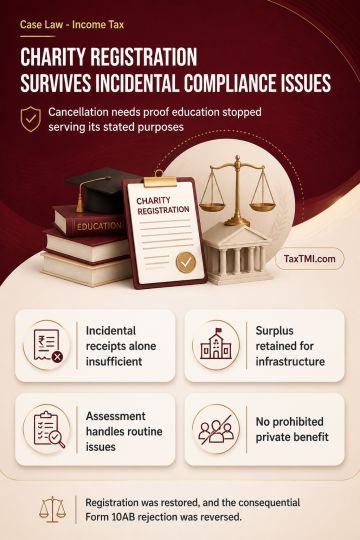
Charitable registration cancellation requires proof that educational activities abandoned their objects; incidental receipts and retained surplus are ...
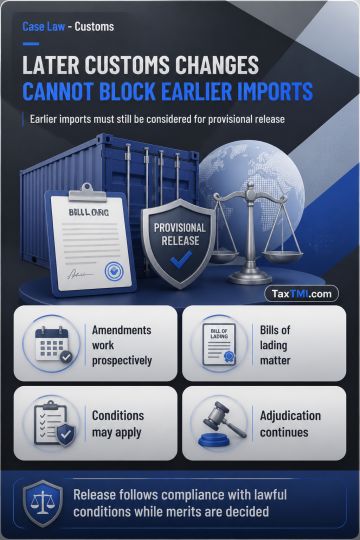
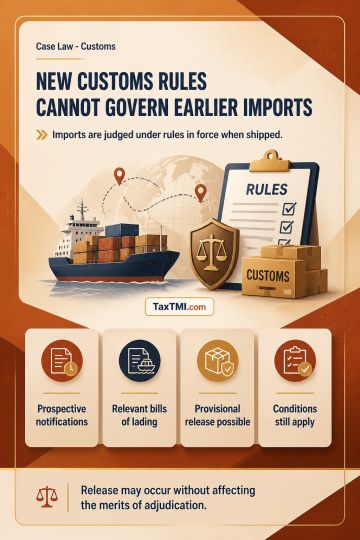
Prospective customs notification amendments cannot bar provisional release consideration for earlier imports when bills of lading predate their commen...
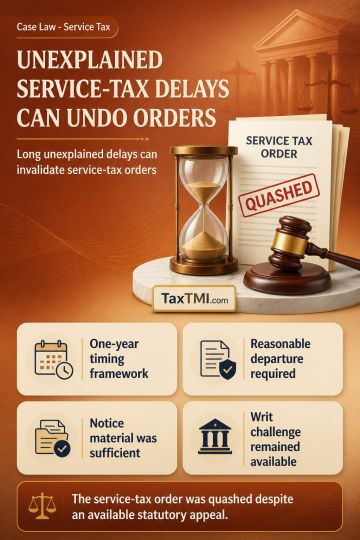
Section 73(4B)(b) requires service-tax adjudication, where possible, within one year when the extended period is invoked. The qualification permits only a reasonable and legally justifiable departure, not an unrestricted power to keep a show-cause notice pending for an inordinate period. Where the notice material enabled adjudication and no adequate explanation existed, representations or claimed adjournments could not justify prolonged delay. Unexplained delay rendered the adjudication arbitrary, contrary to Section 73(4B)(b) and Article 14, leading to quashing of the service-tax order. Availability of a statutory appeal did not bar writ jurisdiction because the challenge raised a legal question and involved arbitrary adjudication.
Section 73(4B)(b) requires service-tax adjudication, where possible, within one year when the extended period is invoked. The qualification permits only a reasonable and legally justifiable departure, not an unrestricted power to keep a show-cause notice pending for an inordinate period. Where the notice material enabled adjudication and no adequate explanation existed, representations or claimed adjournments could not justify prolonged delay. Unexplained delay rendered the adjudication arbitrary, contrary to Section 73(4B)(b) and Article 14, leading to quashing of the service-tax order. Availability of a statutory appeal did not bar writ jurisdiction because the challenge raised a legal question and involved arbitrary adjudication.
Note: It is a system-generated summary and is for quick reference only.
 TaxTMI
  TaxTMI
 of 4888