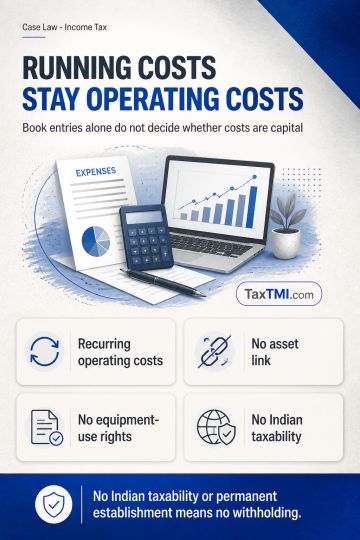
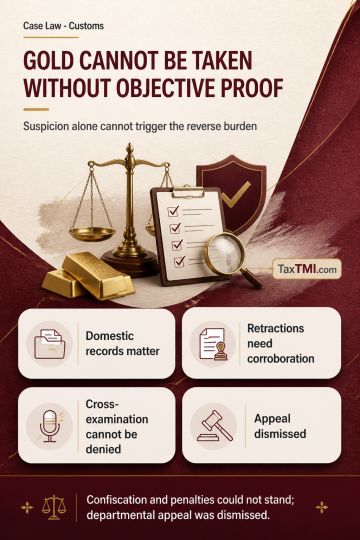
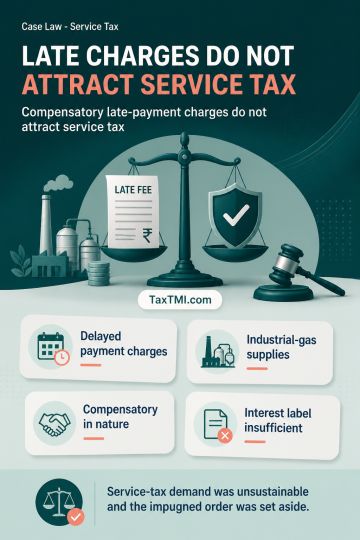
Business expenditure and depreciation rules allow operational outgoings while limiting disallowances for personal elements and unsupported third-party...
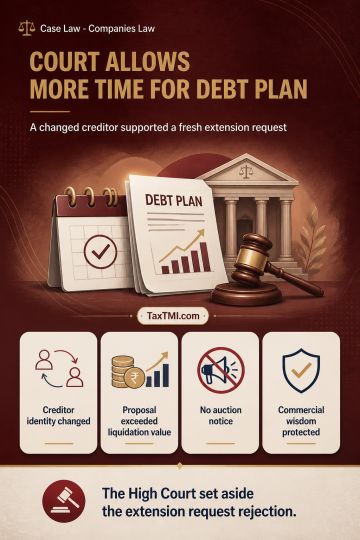
Compromise-and-arrangement extensions may accommodate debt assignment where creditor commercial judgment supports value maximisation and avoids proced...
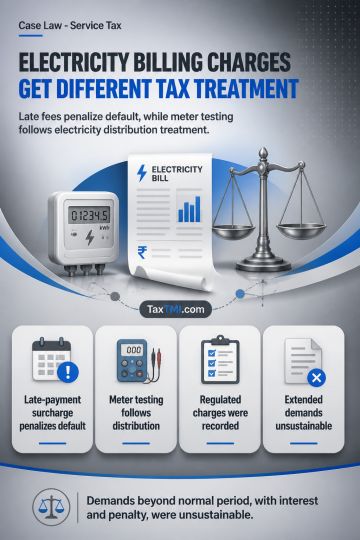
Delayed-payment surcharge is not taxable tolerance consideration where it penalises default, while meter testing follows electricity distribution trea...
Sufficient cause for delayed revenue income-tax appeals requires bona fides, due diligence and a credible explanation; otherwise limitation bars appea...
Inverted-duty-structure refunds remain available for unchanged-rate apparel supplies despite trader status and require tax-period-specific computation...
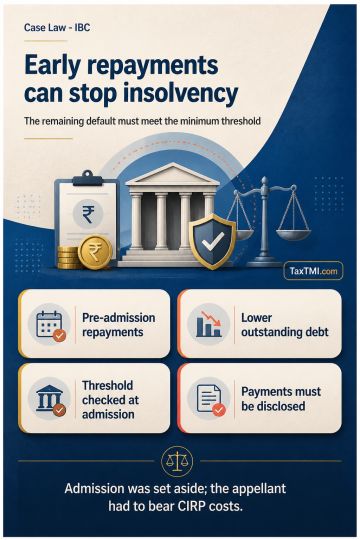
Corporate insolvency admission requires the outstanding default on the date of admission to meet the statutory minimum threshold. Part-payments made before admission reduce the debt in default for this purpose, and financial creditors must disclose those payments to the Adjudicating Authority. Where the remaining default falls below the threshold, admission of the insolvency application cannot be sustained. The admission was set aside because pre-admission repayments reduced the outstanding default below the applicable minimum, and CIRP costs were directed to be borne by the appellant.
Corporate insolvency admission requires the outstanding default on the date of admission to meet the statutory minimum threshold. Part-payments made before admission reduce the debt in default for this purpose, and financial creditors must disclose those payments to the Adjudicating Authority. Where the remaining default falls below the threshold, admission of the insolvency application cannot be sustained. The admission was set aside because pre-admission repayments reduced the outstanding default below the applicable minimum, and CIRP costs were directed to be borne by the appellant.
Note: It is a system-generated summary and is for quick reference only.
 TaxTMI
 TaxTMI

 of 4937