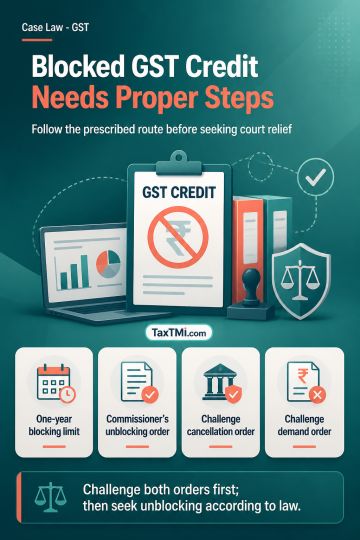
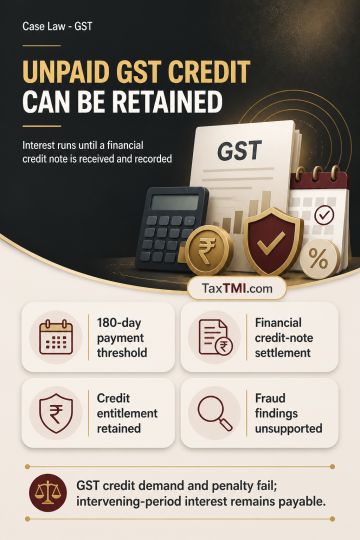
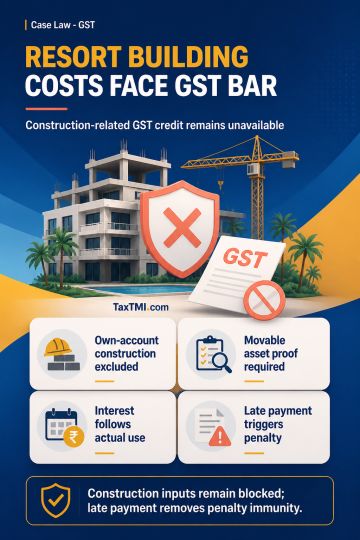
Blocked input tax credit for resort construction remains unavailable; interest follows actual utilisation, while delayed payment attracts statutory pe...
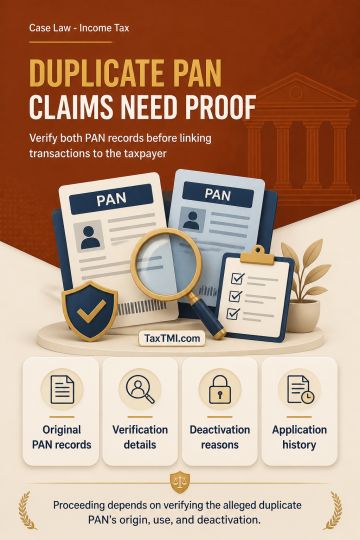
Duplicate PAN allocation requires record verification and deactivation reasons before assessment-related transactions can be attributed to an assessee...
Faceless assessment safeguards require requested personal hearings and adequate final show-cause response time, failing which reassessment is required...
Fire-damaged motor cars brought with a vessel for ship-breaking may be classified as scrap where extensive damage has destroyed their identity and utility as motor vehicles, and salvage arrangements restrict disposal to demolition. Such goods are not restricted commercial or passenger vehicles, usable second-hand goods, or prohibited imports; confiscation for import without a licence is therefore not attracted. Unloading requires physical removal of cargo from a vessel; berthing at a notified ship-breaking port is not unloading. Where no unauthorised removal or other statutory contravention is established, neither the scrap cargo nor the vessel carrying it is liable to confiscation, and consequential penalties are unsustainable.
Fire-damaged motor cars brought with a vessel for ship-breaking may be classified as scrap where extensive damage has destroyed their identity and utility as motor vehicles, and salvage arrangements restrict disposal to demolition. Such goods are not restricted commercial or passenger vehicles, usable second-hand goods, or prohibited imports; confiscation for import without a licence is therefore not attracted. Unloading requires physical removal of cargo from a vessel; berthing at a notified ship-breaking port is not unloading. Where no unauthorised removal or other statutory contravention is established, neither the scrap cargo nor the vessel carrying it is liable to confiscation, and consequential penalties are unsustainable.
Note: It is a system-generated summary and is for quick reference only.
 TaxTMI
  TaxTMI