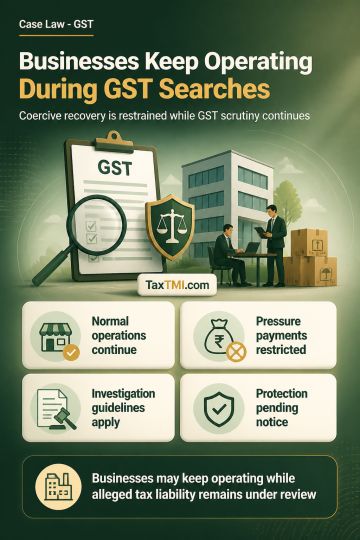
Coercive recovery during GST searches is restrained pending scrutiny, preserving normal business operations and requiring adherence to investigation g...
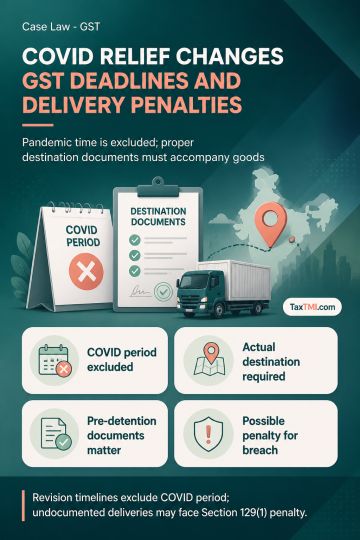
COVID-19 limitation exclusion and destination-specific e-way bills govern revisional timelines and penalties for undocumented third-party plywood deli...
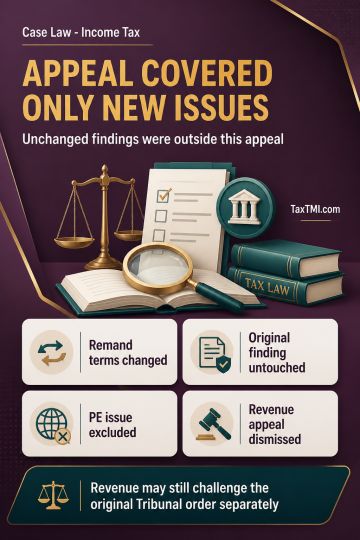
Questions arising from miscellaneous application orders cannot challenge unaltered Tribunal findings, leaving the original order separately challengea...
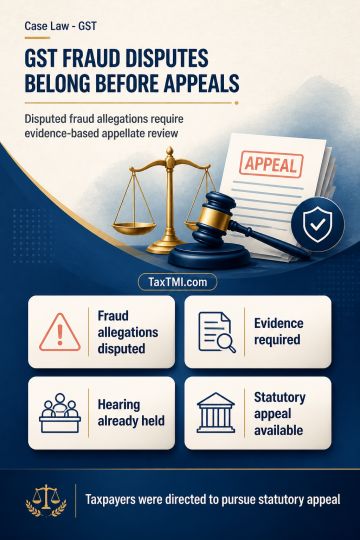
Writ jurisdiction against a GST demand was not considered appropriate where allegations of fraudulent registration, identity theft and forgery created disputed factual questions requiring evidence. As the impugned order addressed the taxpayers' submissions after a hearing, its factual findings were suitable for review by the statutory appellate authority. The High Court therefore declined to examine the merits and directed the taxpayers to pursue the available statutory appeal, with liberty to seek exclusion of the time spent prosecuting the writ petition for limitation purposes.
Writ jurisdiction against a GST demand was not considered appropriate where allegations of fraudulent registration, identity theft and forgery created disputed factual questions requiring evidence. As the impugned order addressed the taxpayers' submissions after a hearing, its factual findings were suitable for review by the statutory appellate authority. The High Court therefore declined to examine the merits and directed the taxpayers to pursue the available statutory appeal, with liberty to seek exclusion of the time spent prosecuting the writ petition for limitation purposes.
Note: It is a system-generated summary and is for quick reference only.
 TaxTMI
  TaxTMI