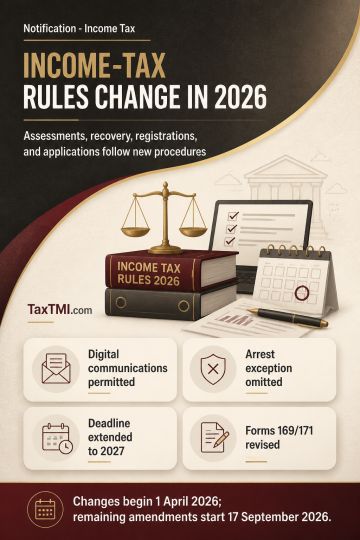
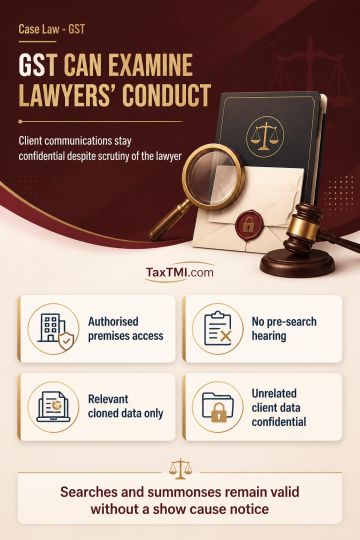
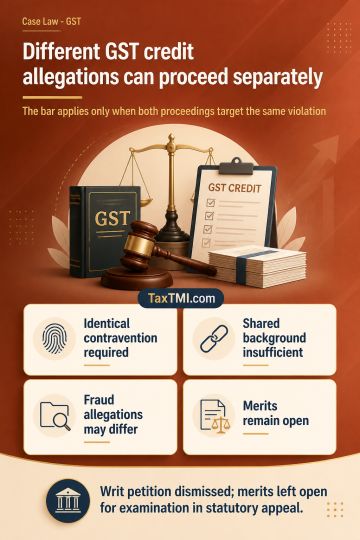
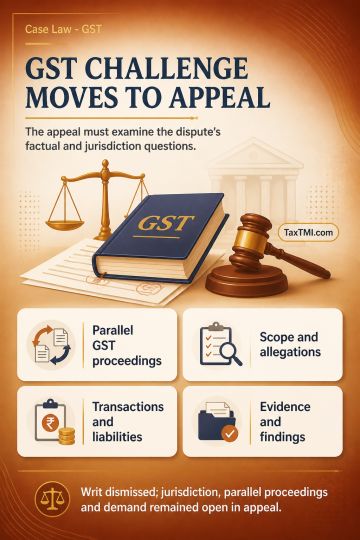
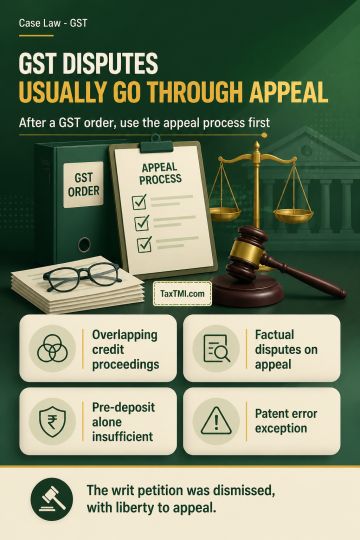
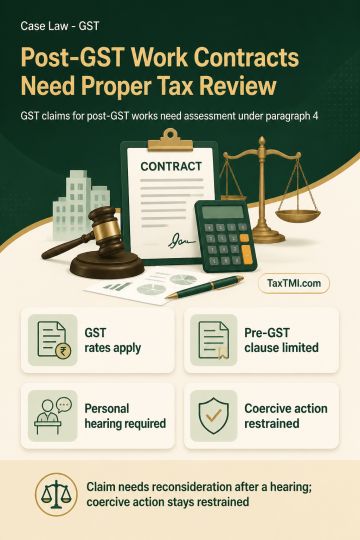
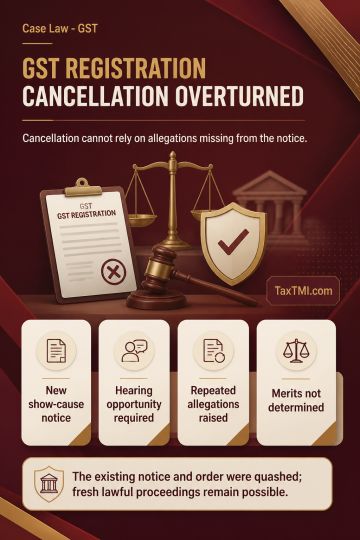
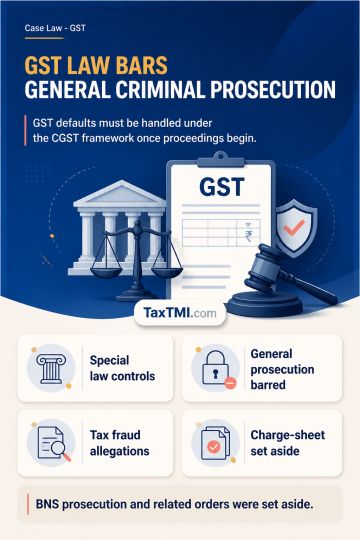
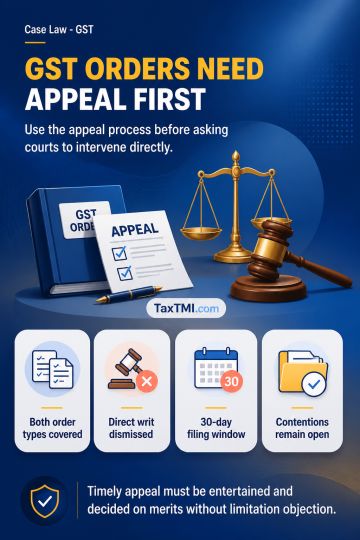
Faceless assessment and registration procedures are updated through electronic communication, revised recovery rules, extended deadlines, and replacem...
Risk-based selective vessel boarding requires accurate declarations and preserves master and agent liability where physical inspections are not select...
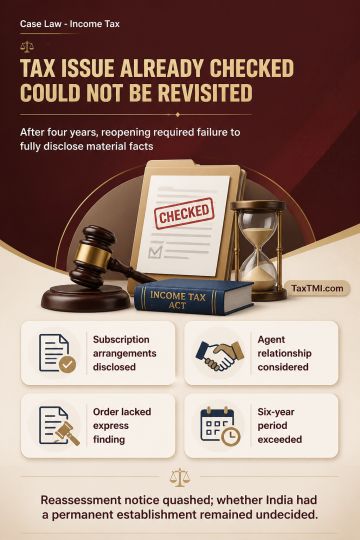
Permanent-establishment reassessment cannot revisit scrutinised disclosures; extended reopening fails without undisclosed material facts and within st...
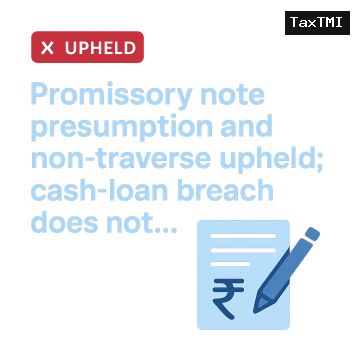
In a suit on a promissory note, the HC noted that untraversed pleadings and the absence of cross-examination meant the plaintiff's case on advance and execution stood admitted, and an adverse finding on lending capacity was perverse where the defendant filed no written statement and the court did not clarify its own doubts by questioning the witness. It further held that a promissory note need not be attested, non-examination of an attestor was not fatal, and breach of the cash-loan prohibition under section 269SS may attract tax consequences but does not make the debt void or unenforceable. The plaintiff's claim was therefore upheld.
In a suit on a promissory note, the HC noted that untraversed pleadings and the absence of cross-examination meant the plaintiff's case on advance and execution stood admitted, and an adverse finding on lending capacity was perverse where the defendant filed no written statement and the court did not clarify its own doubts by questioning the witness. It further held that a promissory note need not be attested, non-examination of an attestor was not fatal, and breach of the cash-loan prohibition under section 269SS may attract tax consequences but does not make the debt void or unenforceable. The plaintiff's claim was therefore upheld.
Note: It is a system-generated summary and is for quick reference only.
 TaxTMI
  TaxTMI