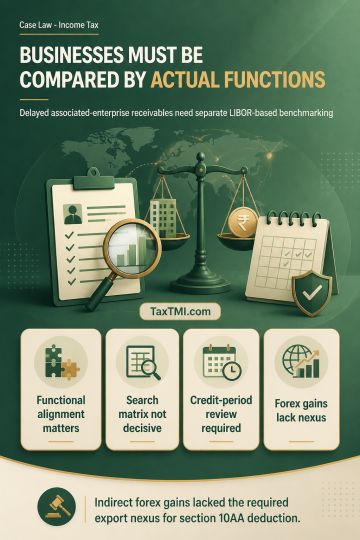
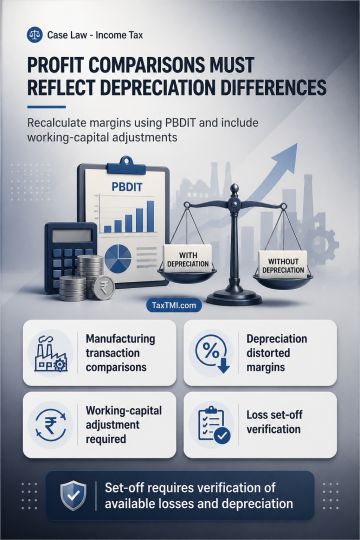
Transfer-pricing comparability requires functional alignment; delayed associated-enterprise receivables need separate LIBOR-based benchmarking, while ...
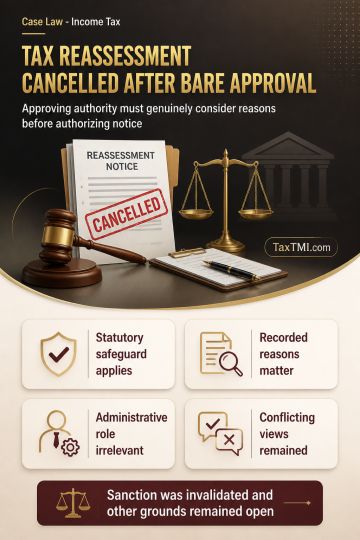
Extended reassessment limitation in search cases requires asset-linked escaped income, invalidating additions based only on unexplained money or expen...
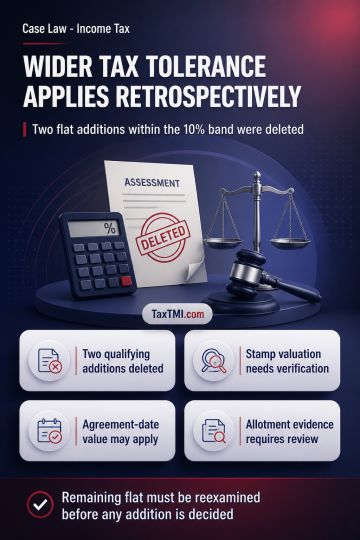
Enhanced tolerance band under section 43CA applies retrospectively, deleting qualifying deemed-sale additions while disputed stamp valuation requires ...
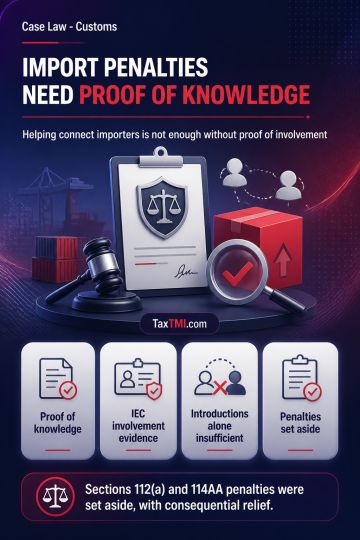
Customs transaction value rejection requires communicated reasonable doubt, while written reassessment acceptance preserves challenges to enhanced val...
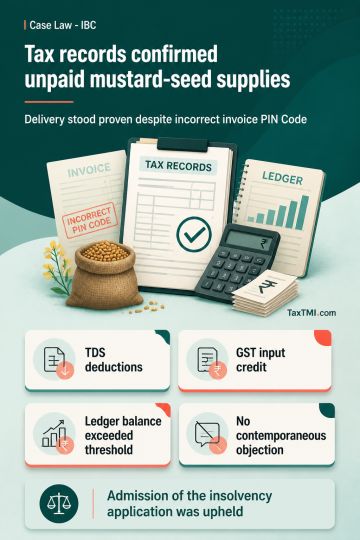
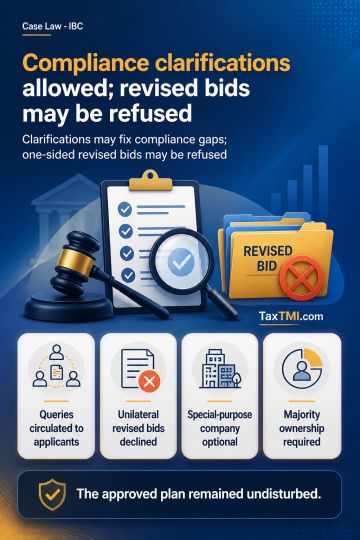
Challenge-mechanism compliance clarifications permitted, while unilateral revised resolution plans may be refused under creditors' commercial discreti...
Money laundering is an independent offence covering processes or activities connected with proceeds of crime derived from a scheduled offence. A PMLA investigation may therefore extend beyond amounts quantified in individual predicate chargesheets, and a person need not be charge-sheeted in the predicate offence if involvement with proceeds of crime is established. The statutory twin conditions for bail apply to anticipatory bail; courts must have reasonable grounds to believe the person is not guilty and unlikely to reoffend. A summoned person must attend personally, and fresh summons may issue on new facts. Non-cooperation, including failure to attend repeated summons, may independently preclude anticipatory bail.
Money laundering is an independent offence covering processes or activities connected with proceeds of crime derived from a scheduled offence. A PMLA investigation may therefore extend beyond amounts quantified in individual predicate chargesheets, and a person need not be charge-sheeted in the predicate offence if involvement with proceeds of crime is established. The statutory twin conditions for bail apply to anticipatory bail; courts must have reasonable grounds to believe the person is not guilty and unlikely to reoffend. A summoned person must attend personally, and fresh summons may issue on new facts. Non-cooperation, including failure to attend repeated summons, may independently preclude anticipatory bail.
Note: It is a system-generated summary and is for quick reference only.
 TaxTMI
 TaxTMI

 of 4916