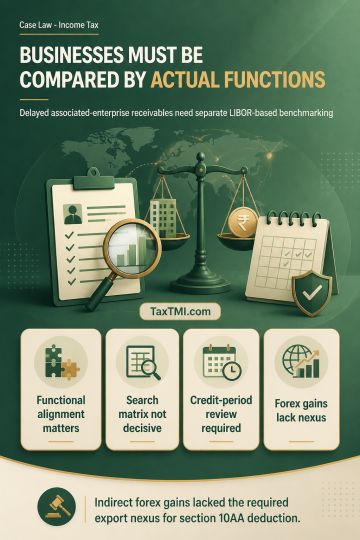
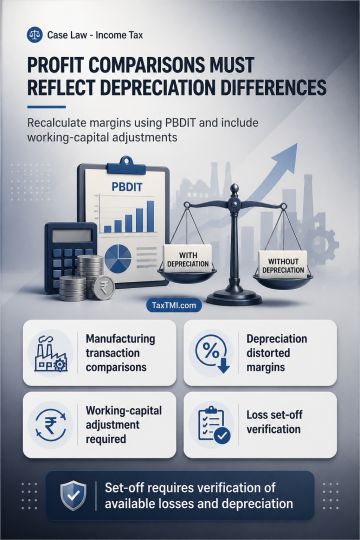
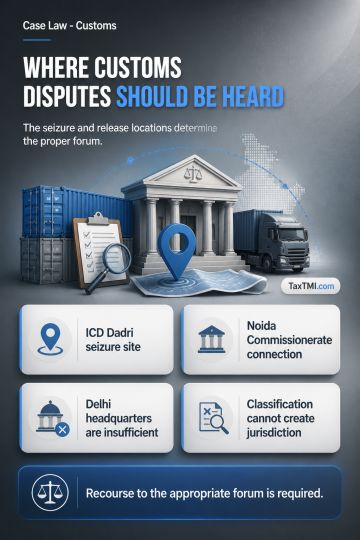
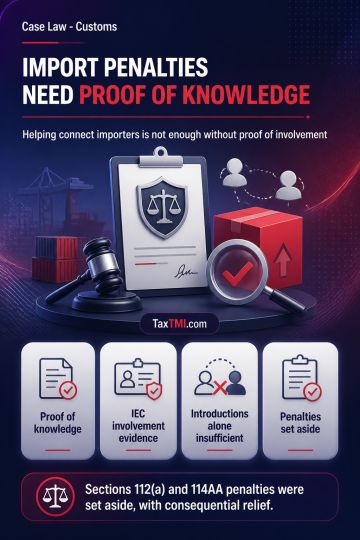
Transfer-pricing comparability requires functional alignment; delayed associated-enterprise receivables need separate LIBOR-based benchmarking, while ...
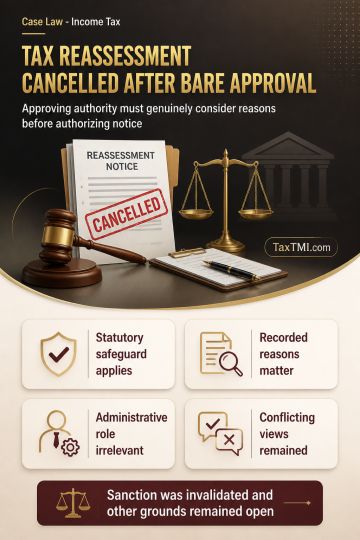
Extended reassessment limitation in search cases requires asset-linked escaped income, invalidating additions based only on unexplained money or expen...
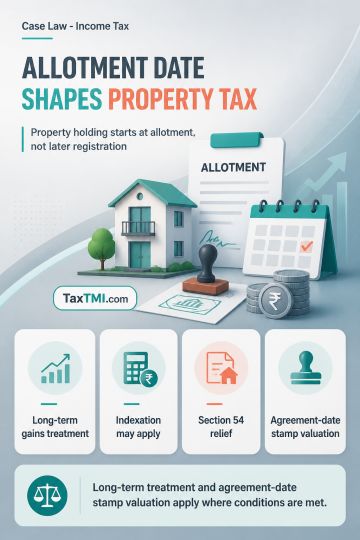
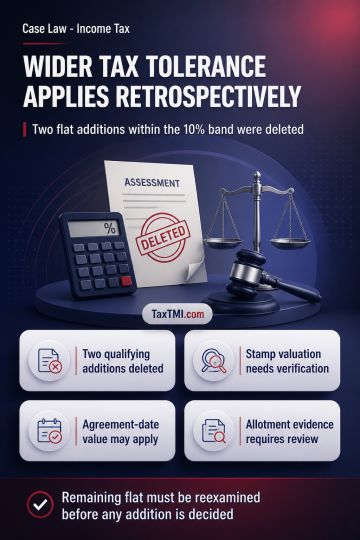
Enhanced tolerance band under section 43CA applies retrospectively, deleting qualifying deemed-sale additions while disputed stamp valuation requires ...
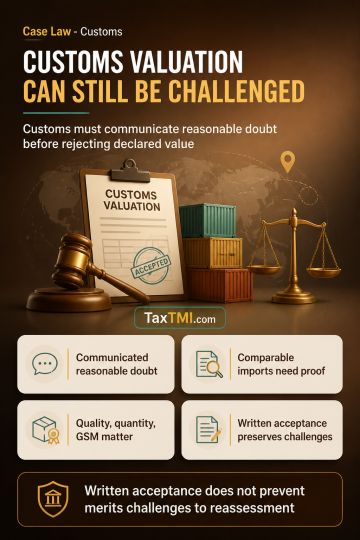
Customs transaction value rejection requires communicated reasonable doubt, while written reassessment acceptance preserves challenges to enhanced val...
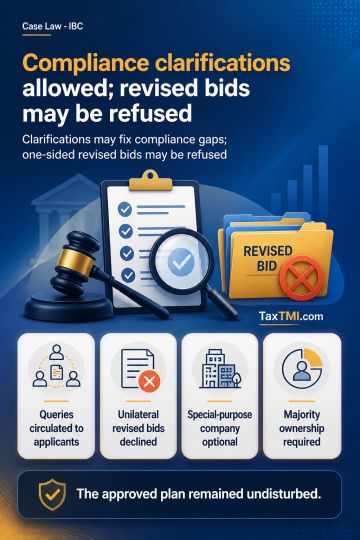
Challenge-mechanism compliance clarifications permitted, while unilateral revised resolution plans may be refused under creditors' commercial discreti...
Section 129(1) of the CGST Act imposes civil penalty for substantive contraventions of transit movement-document requirements without requiring independent proof of intent to evade tax. Authorities must nevertheless assess the taxpayer's explanation and distinguish material discrepancies from minor or technical errors. A sale during transit may occur without prior physical receipt by an intermediary, but the continuing movement must be supported by a valid e-way bill accurately stating the actual origin and destination. E-way bills that do not cover the diverted route, falsely identify the dispatch point, or have expired may constitute substantive non-compliance. Payment through DRC-03 to secure release of goods does not conclusively admit liability or waive statutory appeal rights and may be credited against any liability.
Section 129(1) of the CGST Act imposes civil penalty for substantive contraventions of transit movement-document requirements without requiring independent proof of intent to evade tax. Authorities must nevertheless assess the taxpayer's explanation and distinguish material discrepancies from minor or technical errors. A sale during transit may occur without prior physical receipt by an intermediary, but the continuing movement must be supported by a valid e-way bill accurately stating the actual origin and destination. E-way bills that do not cover the diverted route, falsely identify the dispatch point, or have expired may constitute substantive non-compliance. Payment through DRC-03 to secure release of goods does not conclusively admit liability or waive statutory appeal rights and may be credited against any liability.
Note: It is a system-generated summary and is for quick reference only.
 TaxTMI
 TaxTMI

 of 4916