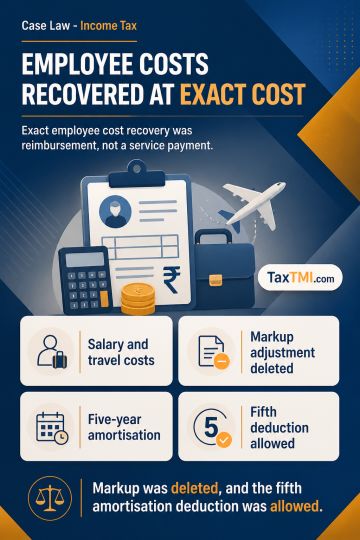
Cost-to-cost reimbursement of seconded employees is not service consideration; transfer-pricing markup was deleted and amalgamation amortisation allow...
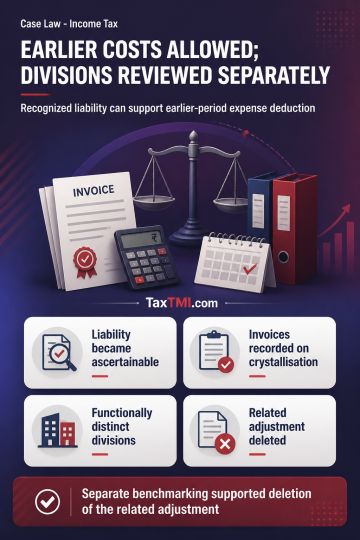
Crystallisation of liability supports prior-period expense deduction, while functionally distinct divisions require separate transfer-pricing benchmar...
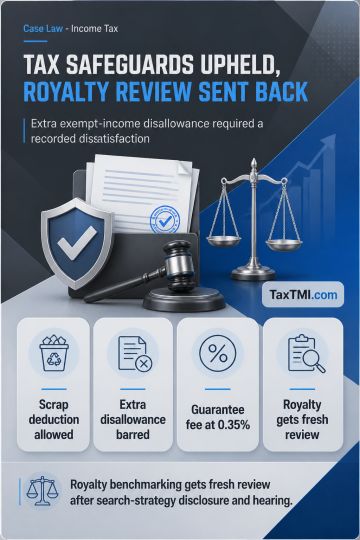
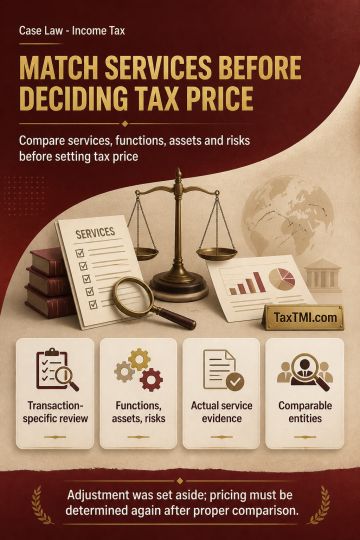
Functional comparability under TNMM requires transaction-specific FAR analysis before benchmarking business-support services provided to associated en...
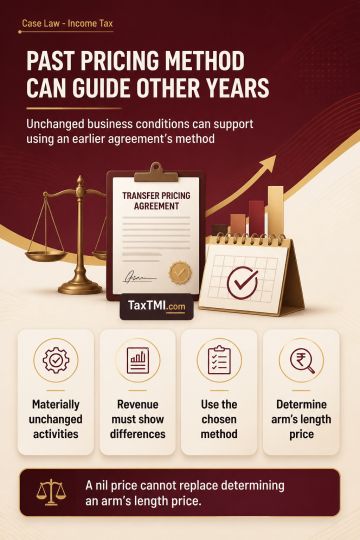
Advance pricing agreement methodology can guide benchmarking for non-covered years when functions, assets, risks and activities remain materially unch...
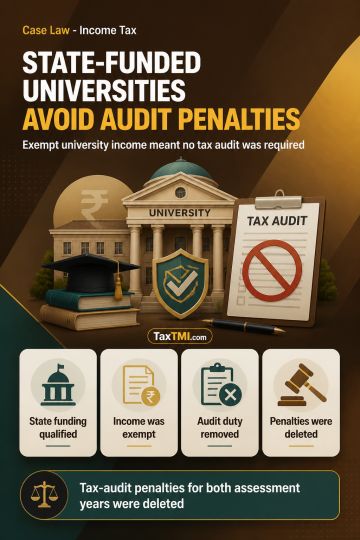
Tax-audit exemption for substantially State-funded educational universities prevents audit-failure penalties where income qualifies for statutory exem...
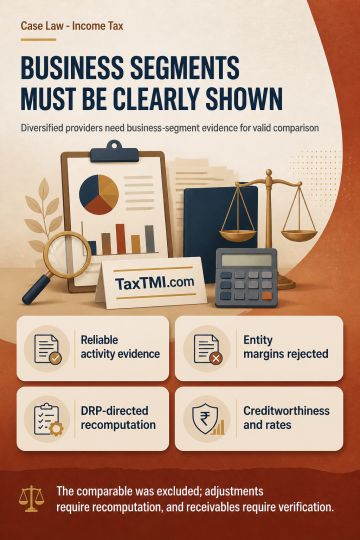
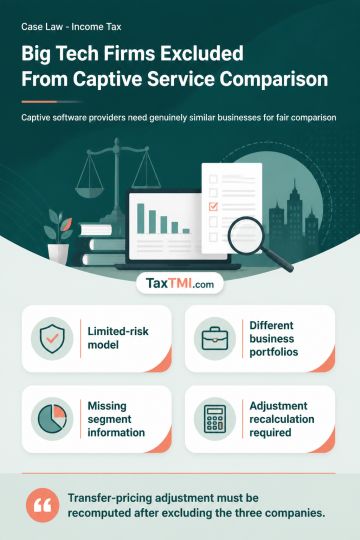
Functional, asset and risk analysis excludes diversified technology companies from captive software development comparables under cost-plus arrangemen...
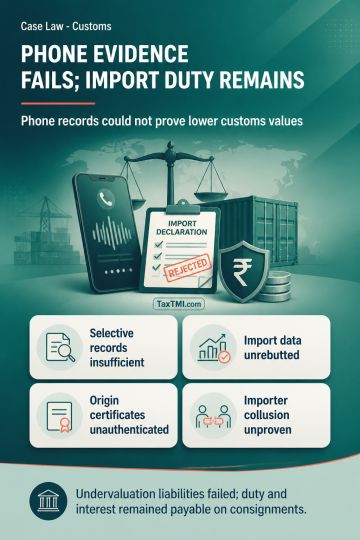
Mobile-phone electronic evidence failed to establish customs undervaluation, while duty survived on non-authentic origin certificates without importer...
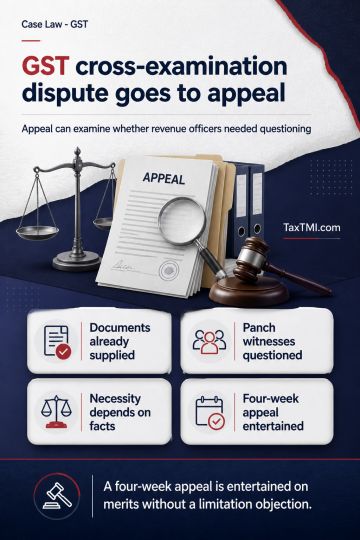
Statutory appellate remedy ordinarily governs a challenge to a GST adjudication order based on denial of cross-examination of revenue officers involved in preparing a panchnama. Once relied-upon documents are supplied and panch witnesses are cross-examined, the earlier procedural defect no longer survives. The evidentiary value of witness statements, proof of the panchnama, and the factual necessity for cross-examining revenue officers concern merits for appellate review. Statutory immunity is not a sustainable reason to refuse such cross-examination, but it does not create an absolute right; necessity depends on the facts. The cross-examination issue remains open before the appellate authority, and an appeal filed within four weeks is to be entertained on merits without a limitation objection.
Statutory appellate remedy ordinarily governs a challenge to a GST adjudication order based on denial of cross-examination of revenue officers involved in preparing a panchnama. Once relied-upon documents are supplied and panch witnesses are cross-examined, the earlier procedural defect no longer survives. The evidentiary value of witness statements, proof of the panchnama, and the factual necessity for cross-examining revenue officers concern merits for appellate review. Statutory immunity is not a sustainable reason to refuse such cross-examination, but it does not create an absolute right; necessity depends on the facts. The cross-examination issue remains open before the appellate authority, and an appeal filed within four weeks is to be entertained on merits without a limitation objection.
Note: It is a system-generated summary and is for quick reference only.
 TaxTMI
 TaxTMI

 of 4915