Advance pricing agreement methodology can guide benchmarking for non-covered years when functions, assets, risks and activities remain materially unch...
Tax-audit exemption for substantially State-funded educational universities prevents audit-failure penalties where income qualifies for statutory exem...
Functional, asset and risk analysis excludes diversified technology companies from captive software development comparables under cost-plus arrangemen...
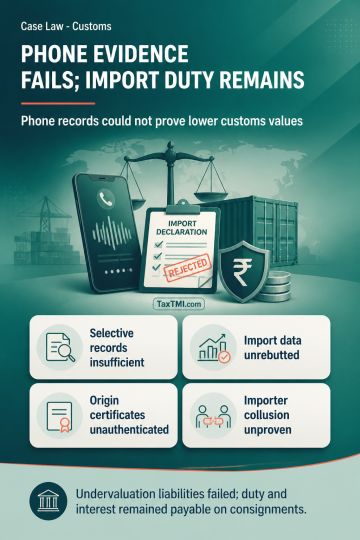
Mobile-phone electronic evidence failed to establish customs undervaluation, while duty survived on non-authentic origin certificates without importer...
Automotive radio classification treats integrated infotainment features as supplementary, placing complete and qualifying unassembled units under the ...
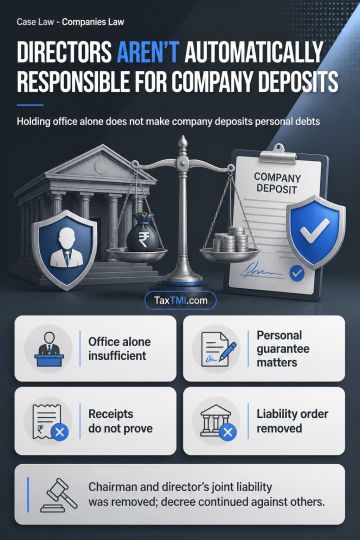
Separate corporate personality prevents directors from being personally liable for company deposits without a guarantee or independent legal undertaki...
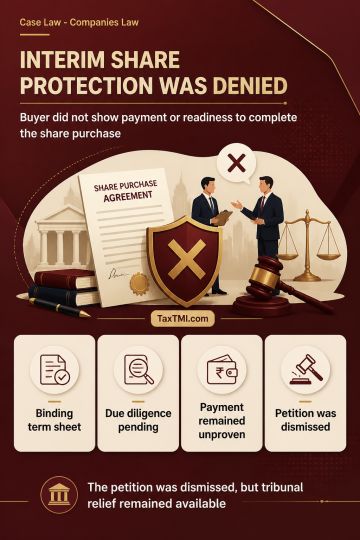
The term sheet constituted a binding understanding, but completion of the share acquisition remained subject to due diligence, regulatory approvals, escrow arrangements, pre-conditions and definitive agreements. Funding obligations were stage-specific; loan advances did not prima facie constitute share-purchase consideration, and the purchaser had not shown timely payment of a material instalment or readiness to perform. Interim protection of escrowed shares was unavailable because the target company had requested status quo from the escrow agent, further securities and shareholder obligations remained disputed, and broader restraints would affect management. The Section 9 petition was dismissed, while preserving recourse to the arbitral tribunal for appropriate interim protection.
The term sheet constituted a binding understanding, but completion of the share acquisition remained subject to due diligence, regulatory approvals, escrow arrangements, pre-conditions and definitive agreements. Funding obligations were stage-specific; loan advances did not prima facie constitute share-purchase consideration, and the purchaser had not shown timely payment of a material instalment or readiness to perform. Interim protection of escrowed shares was unavailable because the target company had requested status quo from the escrow agent, further securities and shareholder obligations remained disputed, and broader restraints would affect management. The Section 9 petition was dismissed, while preserving recourse to the arbitral tribunal for appropriate interim protection.
Note: It is a system-generated summary and is for quick reference only.
 TaxTMI
  TaxTMI
 of 4908